The Body Transformed: A Global Jewellery Exhibition Opens in Hong Kong
A major exhibition at the Hong Kong Palace Museum presents The Met’s jewellery collection in Asia for the first time, tracing 4,000 years of adornment and exploring jewellery as a medium of culture, identity, and expression.

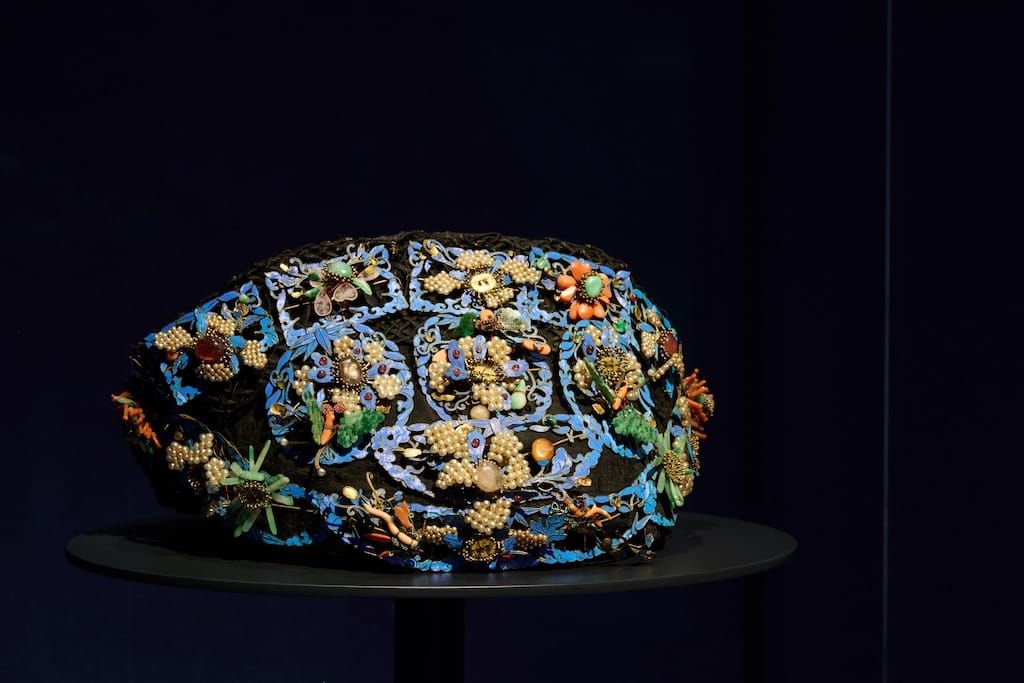
A major new exhibition at the Hong Kong Palace Museum brings together one of the most ambitious surveys of jewellery presented in Asia in recent years. Titled Treasures of Global Jewellery from The Metropolitan Museum of Art: The Body Transformed, the exhibition marks the first travelling showcase of the jewellery collection of the The Metropolitan Museum of Art, with Hong Kong as its opening venue.
Running from 15 April to 19 October 2026, the exhibition spans nearly 4,000 years of history and five continents. It presents around 200 works from The Met’s collection alongside important loans from collections in Hong Kong, creating a wide-ranging account of how jewellery has functioned across cultures and time.
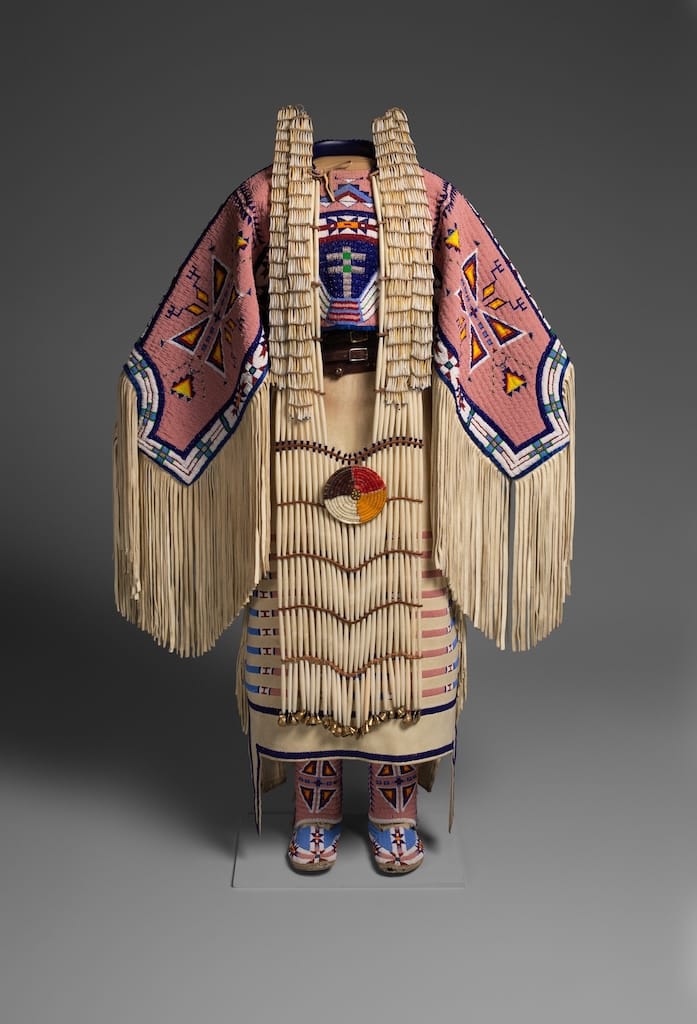
Jewellery as a Universal Language
The exhibition frames jewellery as more than ornament. Across different civilisations, adornment has expressed belief, status, identity, and aesthetic sensibility. By placing works from different regions in conversation, the exhibition highlights both shared impulses and distinct cultural meanings.
For the Hong Kong Palace Museum, the project reflects its ongoing interest in international collaboration and cross-cultural dialogue. For The Met, it is an opportunity to present its collection in a new context and to invite fresh interpretations of familiar objects.
A Curatorial Structure Across the Body
The exhibition is organised into five thematic sections, each examining a different aspect of jewellery and its relationship to the human body.
The Divine Body: Gold Ornaments explores the role of jewellery in spiritual and ritual contexts. Gold appears as a material associated with the divine across multiple cultures, from ancient Egypt to the Americas and China.
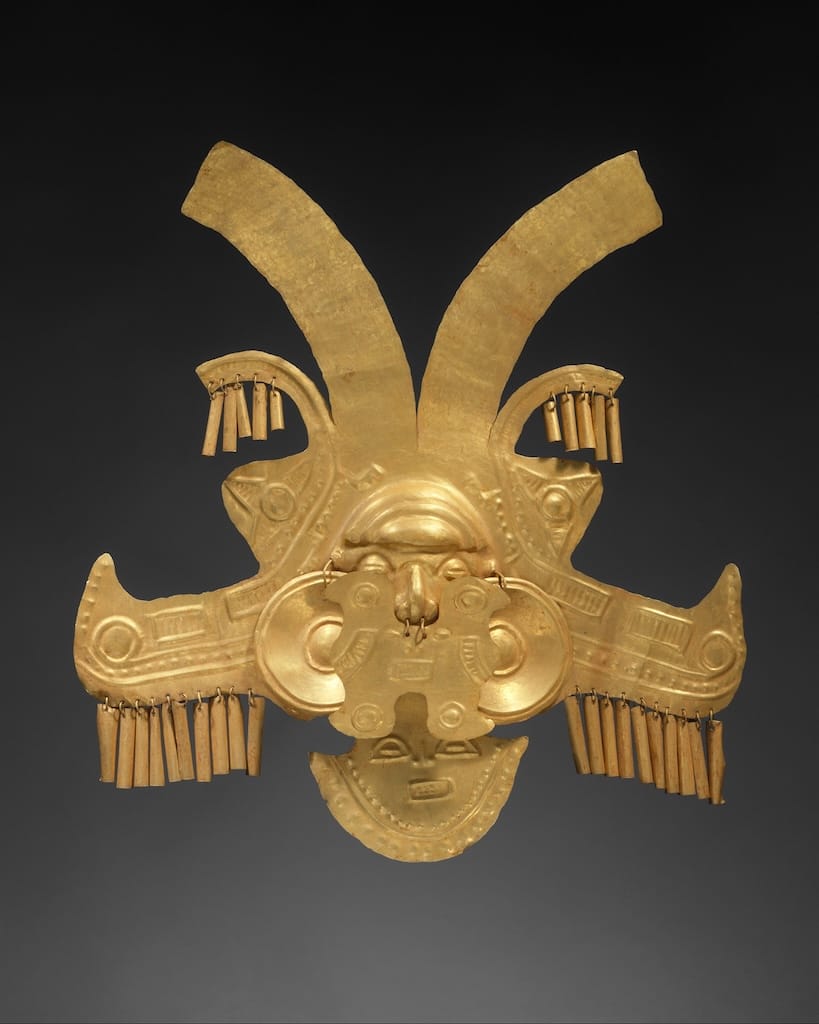
The Regal Body: Royal Jewellery focuses on objects linked to power and authority. Jewellery associated with courts and rulers is presented as a visual language of rank and prestige, with elaborate forms and symbolic motifs.
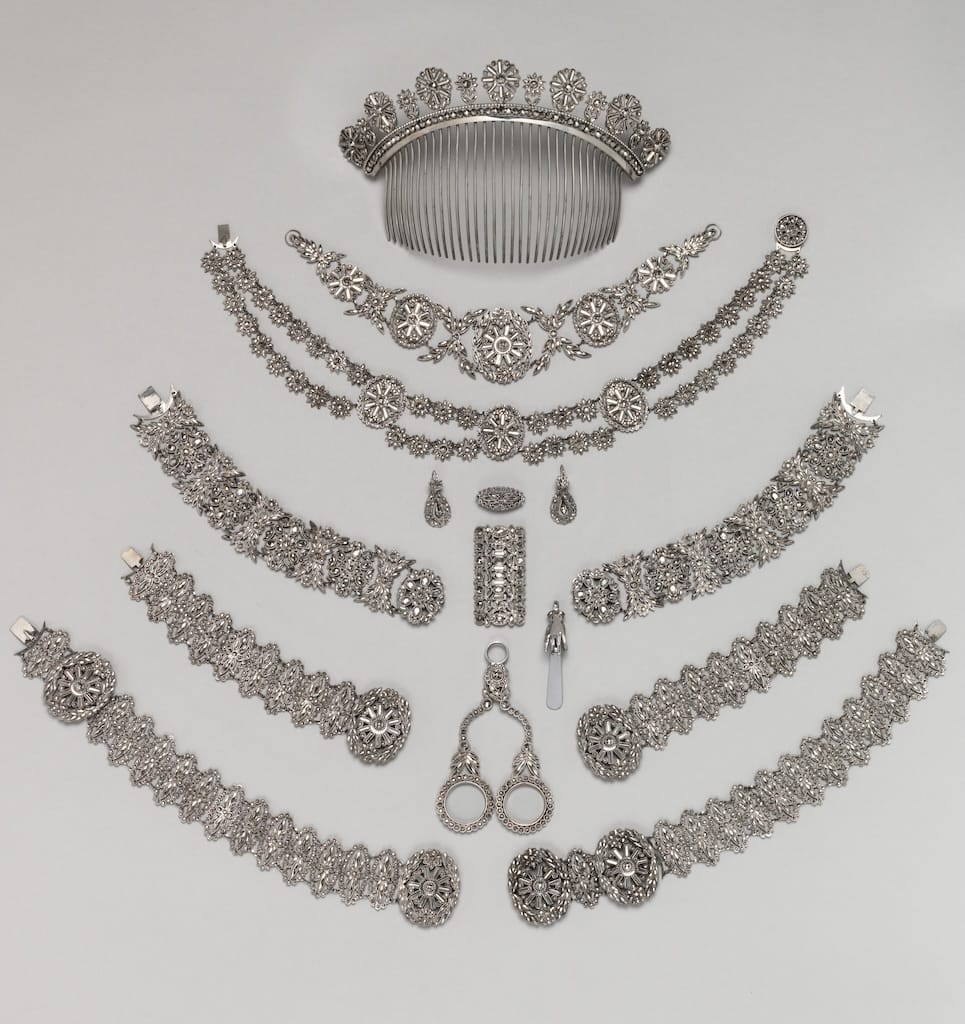
The Transcendent Body: Jewellery and Beliefs considers how adornment mediates between the human and the sacred. Objects in this section reflect practices of devotion, protection, and ritual across different traditions.
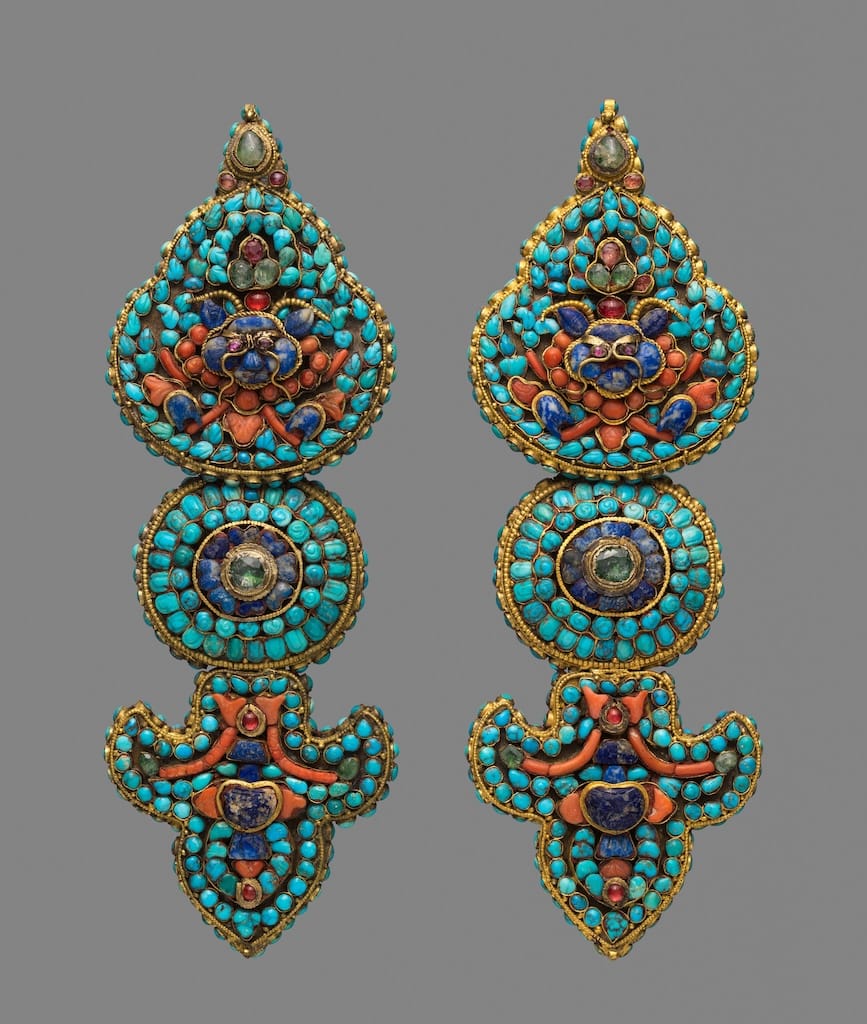
The Alluring Body: Jewellery as Art examines jewellery in relation to beauty and identity. Works by houses such as Cartier and designers including Alexander McQueen are shown alongside experimental pieces, tracing how jewellery has both reinforced and challenged established ideas of the body.
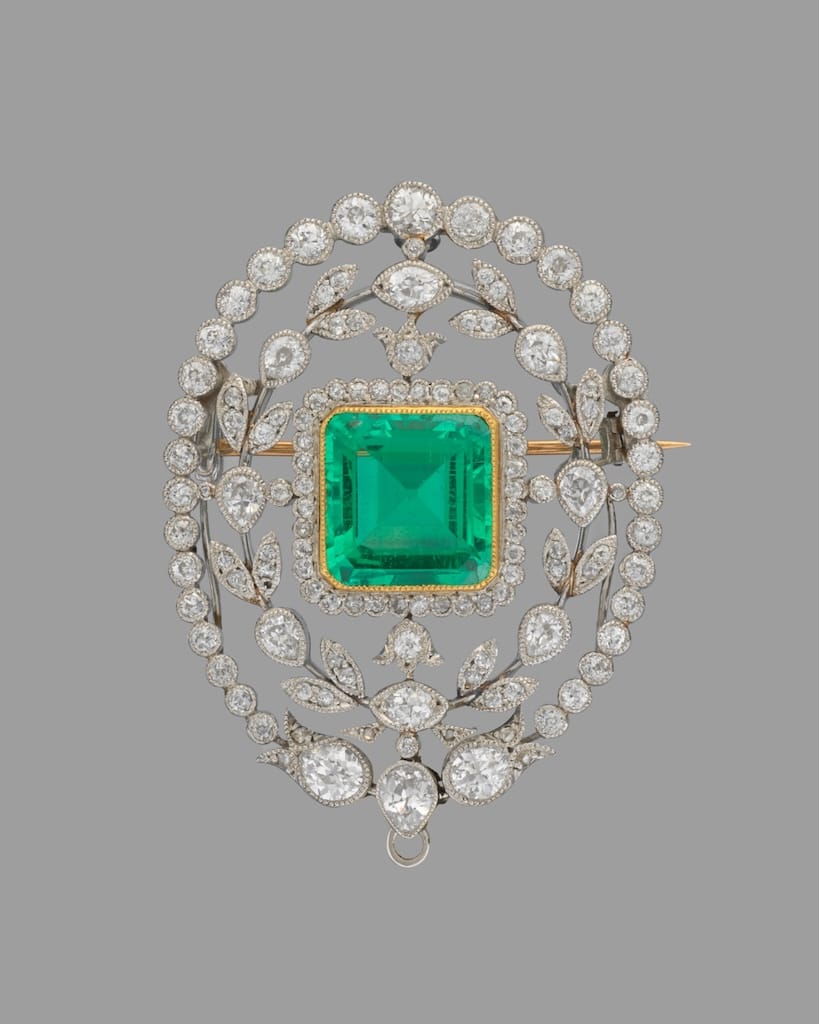
The Resplendent Body: Materials, Techniques, and Innovation highlights craftsmanship and technical development. From traditional methods such as feather inlay to more recent approaches that blur the line between jewellery and garment, this section focuses on process and material.
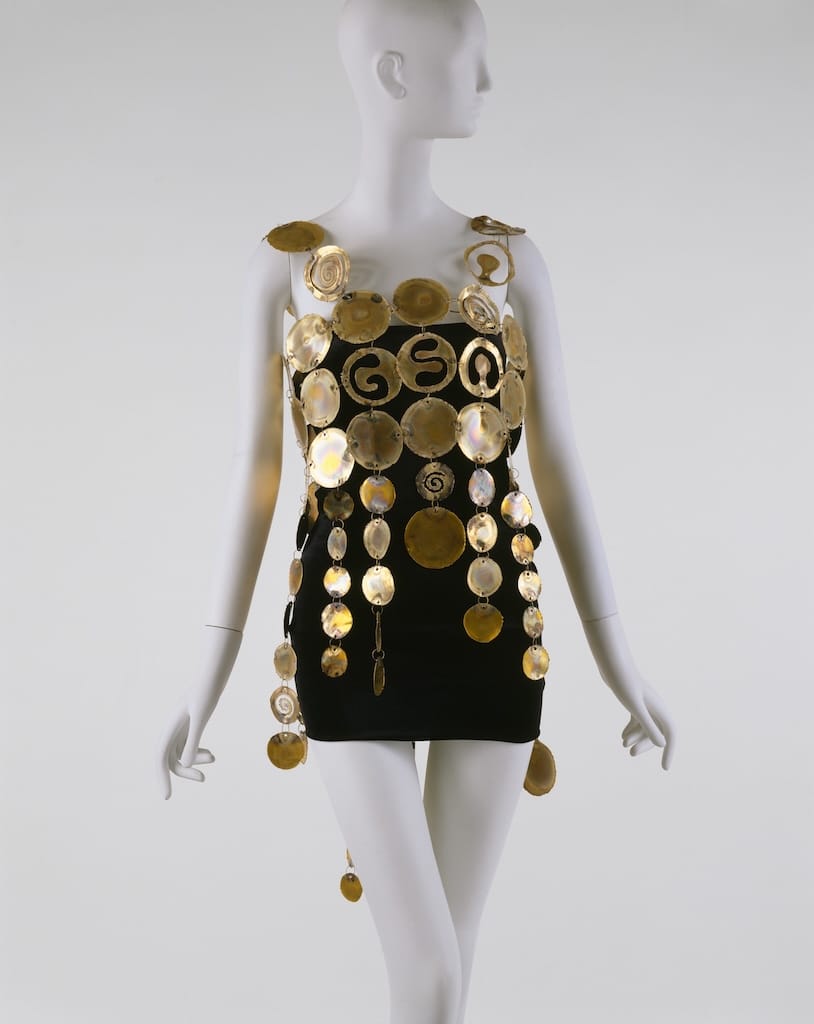
An introductory section, The Adorned Body, brings together key objects arranged in relation to different parts of the body, emphasising how jewellery interacts with the human form.
A Dialogue of Collections
A notable aspect of the exhibition is the inclusion of works from the Mengdiexuan Collection, the Chris Hall Collection, and the ILLUMINATA Collection. These additions extend the scope of the exhibition and create a dialogue between institutional and private holdings.
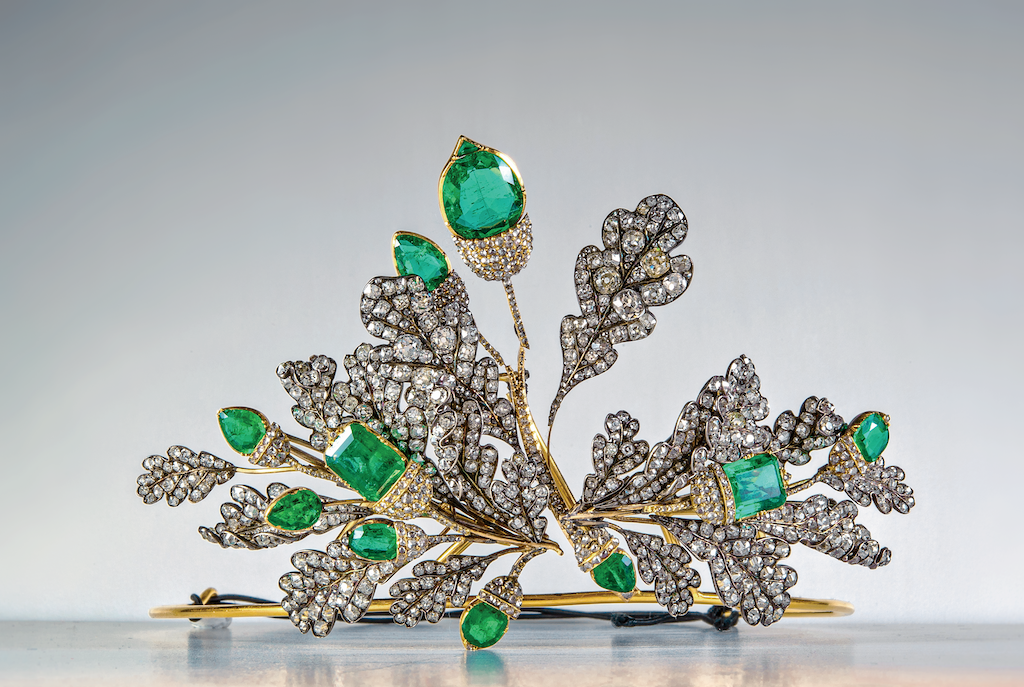
This approach reflects a broader curatorial shift towards more interconnected narratives. Instead of presenting a single linear history, the exhibition allows multiple histories and perspectives to coexist.
Exhibition Design and Visitor Experience
The exhibition also places emphasis on how jewellery is experienced. The gallery design incorporates immersive elements, including a space dedicated to gold objects and multimedia features that invite closer engagement.
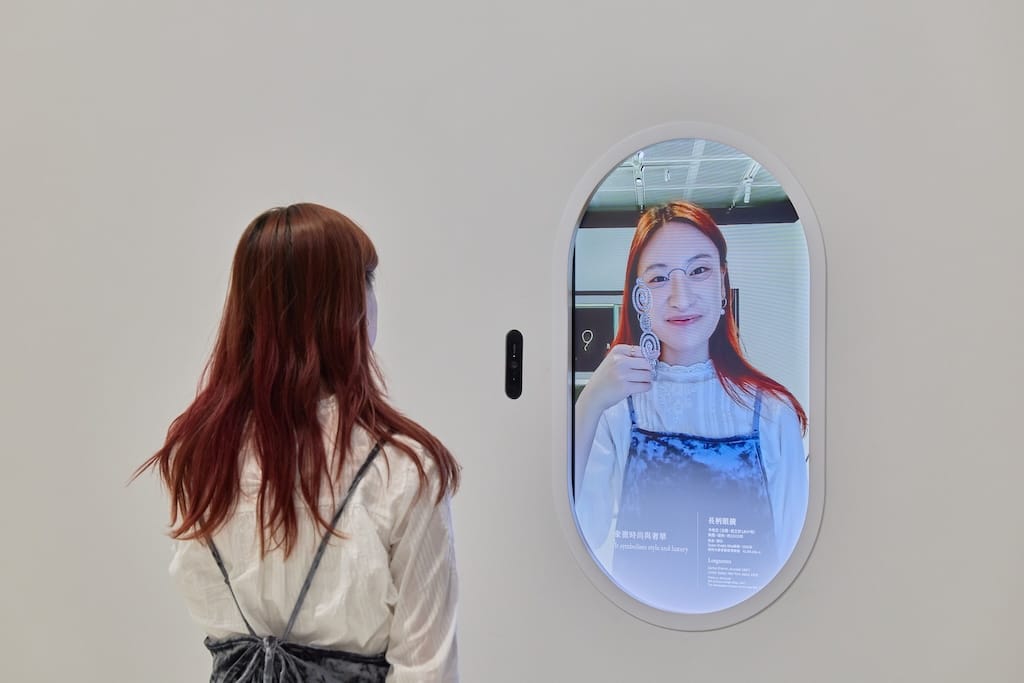
Augmented reality stations allow visitors to virtually try on selected pieces, offering a different way of understanding scale, weight, and presence. Additional interpretive tools, including audio guides and public programmes, provide further context for the objects on display.
Jewellery Beyond Ornament
The exhibition presents jewellery as a medium that operates across art, culture, and daily life. It draws attention to how objects of adornment can carry personal, social, and symbolic meanings at the same time.
By bringing together works from different periods and regions, The Body Transformed offers a considered view of how jewellery continues to shape and reflect human experience.