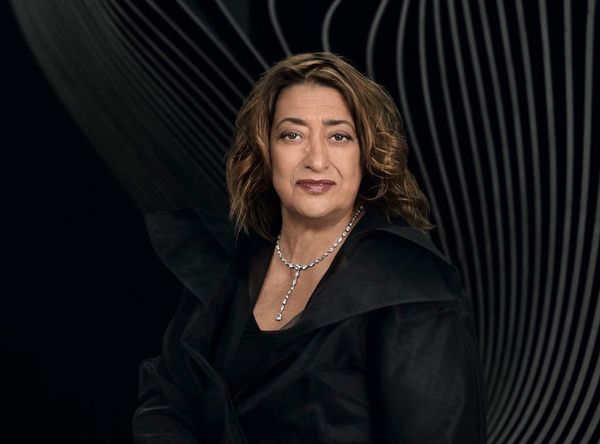
Shireen Gandhy: Six Decades of Chemould and the Evolution of Indian Contemporary Art
Shireen Gandhy reflects on more than three decades leading Chemould, the artists who shaped its programme, and how one of India’s most influential galleries evolved from a small Jehangir space into a globally recognised platform.

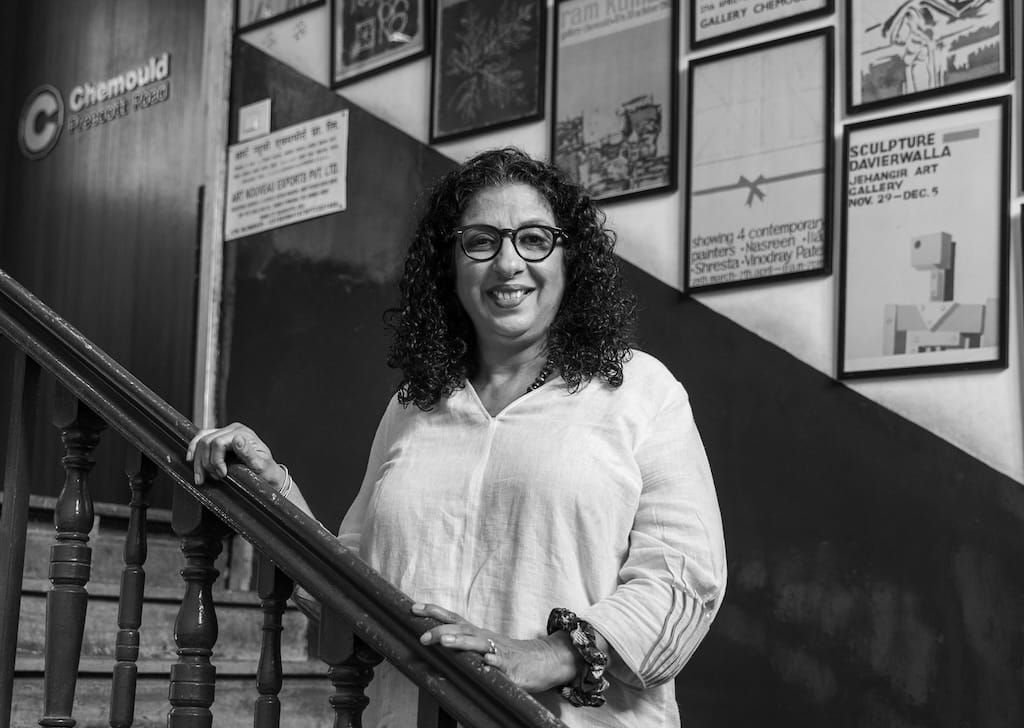
Few galleries have shaped the trajectory of Indian contemporary art as profoundly as Chemould Prescott Road. Founded in 1963 by Kekoo and Khorshed Gandhy on the first floor of Mumbai’s Jehangir Art Gallery, Chemould became a meeting ground for artists who would later define modern Indian art, from S. H. Raza and Tyeb Mehta to Bhupen Khakhar.
Since 1988, the gallery has been directed by Shireen Gandhy, whose tenure has coincided with the dramatic transformation of India’s art ecosystem from an intimate local scene into a globally connected network of biennales, museums and art fairs. Under her leadership, Chemould has championed artists working across painting, installation, performance and conceptual practices, while maintaining an enduring commitment to experimentation and political engagement.
In this conversation, Gandhy reflects on the gallery’s history, the artists who shaped its identity, and the evolving role of galleries in a rapidly changing art world.
Nikhil Sardana: You grew up inside Gallery Chemould and took over in 1988. What did you want to preserve from your parents’ vision, and what did you feel you had to change immediately?
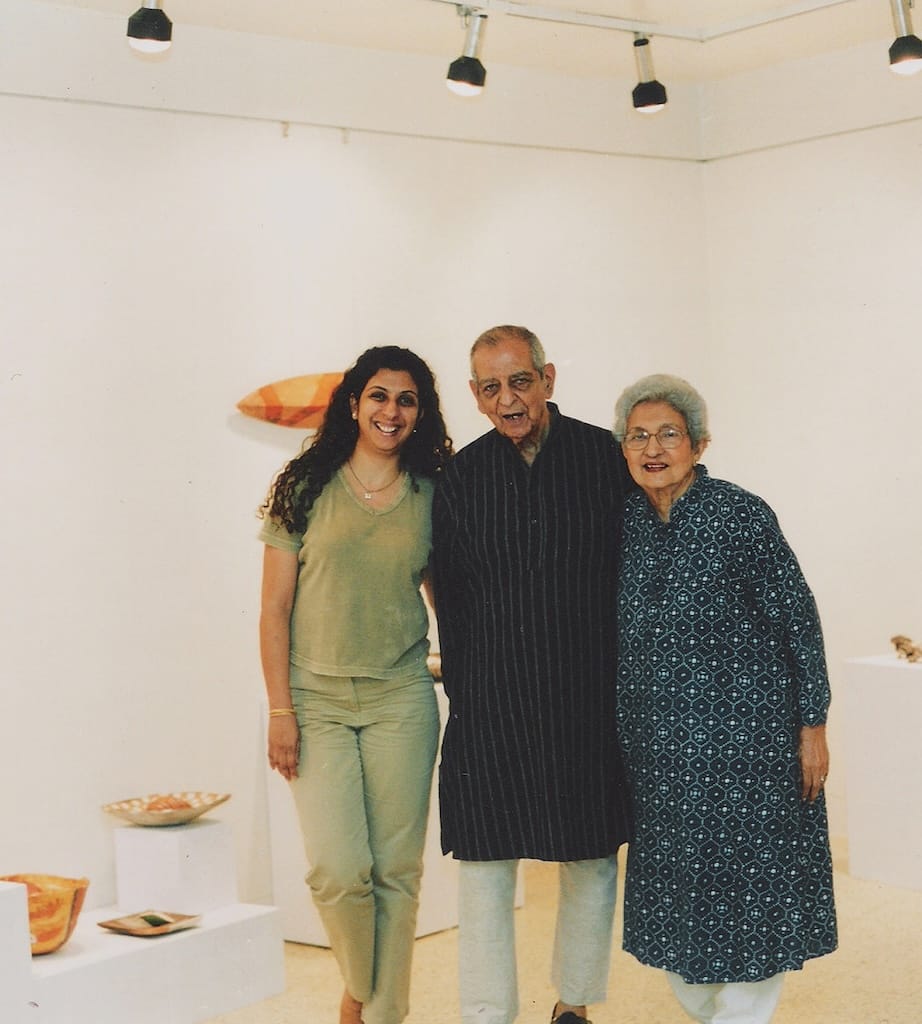
Shireen Gandhy: In 1988, when I joined Chemould, there was no question of “taking over”. My parents were in their late sixties and were still very present as directors of the gallery. I joined when they organised a wonderful exhibition of (what today may) seem ‘random’ artists for the gallery’s 25th anniversary. But the exhibition brought together gallery artists, artists my mother had long wanted to show, and a group suggested by her advisor and mentor, S.H. Raza and of course those that had long associations with the gallery.
This moment was also something of a point of inflection in the art world. People were beginning to come to galleries, openings were becoming a social event, and art itself was starting to feel fashionable. While Tyeb Mehta, Bhupen Khakhar and Raza, who were part of the exhibition, were old family friends, I also made new friends such as Atul Dodiya, Anju Dodiya and Ranbir Kaleka, along with a number of artists associated with Bharat Bhavan. All of them were part of the exhibition titled 17 Indian Painters: 25 Years of Gallery Chemould at the Jehangir.
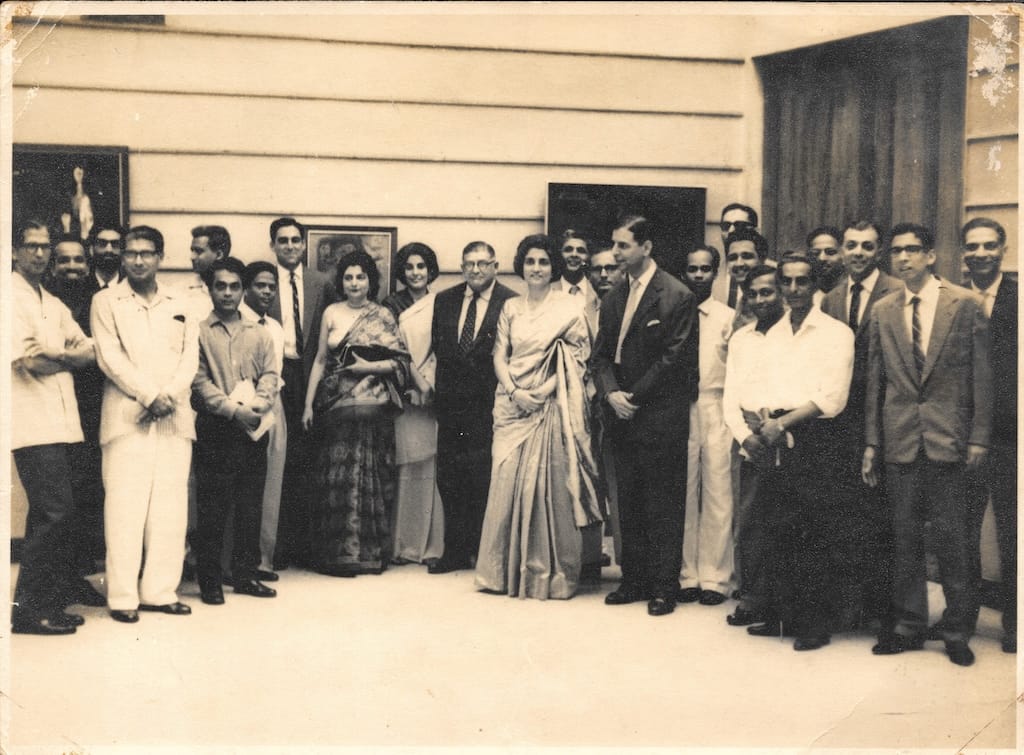
It took a few years before I began to programme the gallery schedule myself, and I would not say that I had any grand vision at the time. It felt more like learning on the job.
Around this period I was also being introduced professionally to artists such as Nalini Malani, Rummana Hussain, Pushpamala N and Vivan Sundaram. A new kind of art was emerging, and it was something that began to interest me deeply. Roughly after 1992, following the fall of the Babri Mosque, I became interested in what was then being described as installation art. It was a moment when artists were breaking out of a traditional two-dimensional format, to exploring mediums that were non-traditional.
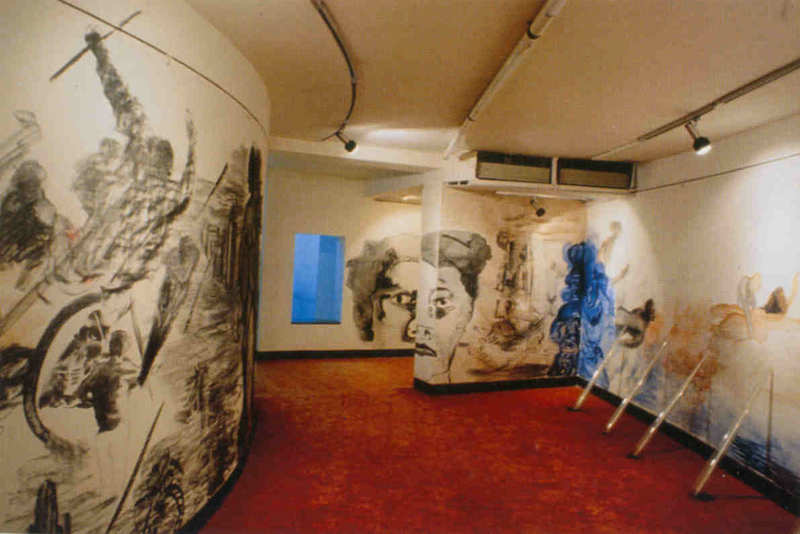
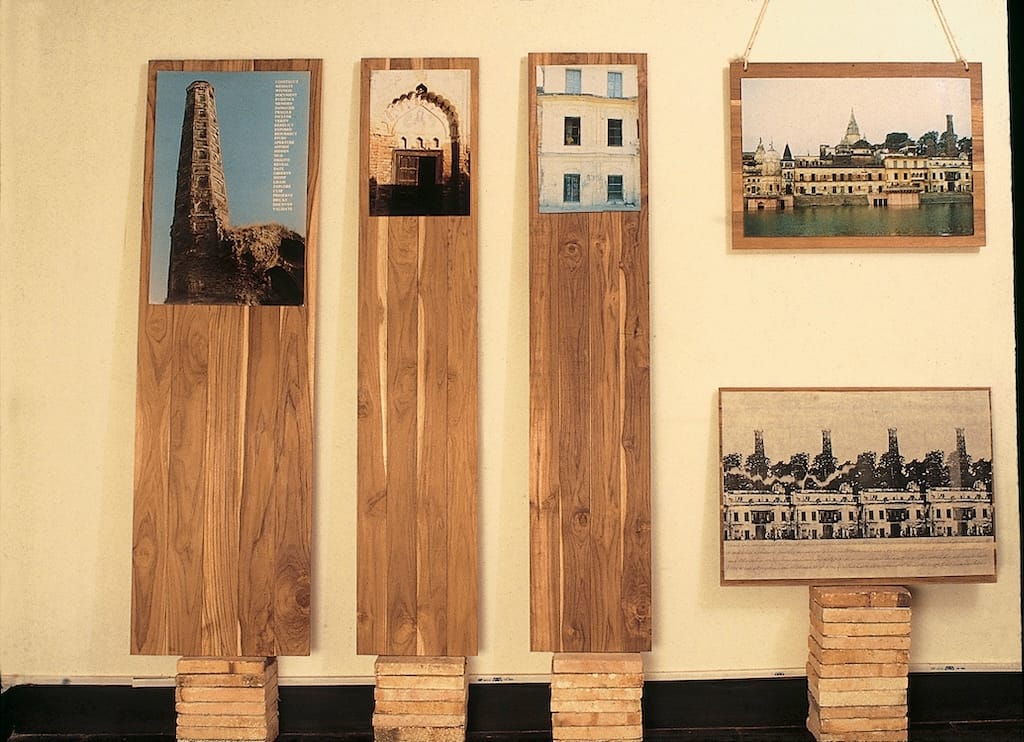
Vivan Sundaram brought an exhibition that involved heavy stone pillars combined with photography and sculptural iconography called Collaboration Combine, Nalini Malani created her first installation within a large exhibition of paintings, using suspended mylar sheets that visitors could walk through. Later, Nalini transformed our entire gallery space into a site-specific installation, painting directly on the walls and covering the floor with terracotta powder. The work, titled City of Desires, was deeply political and reflected on the city in the aftermath of the riots of 1992.
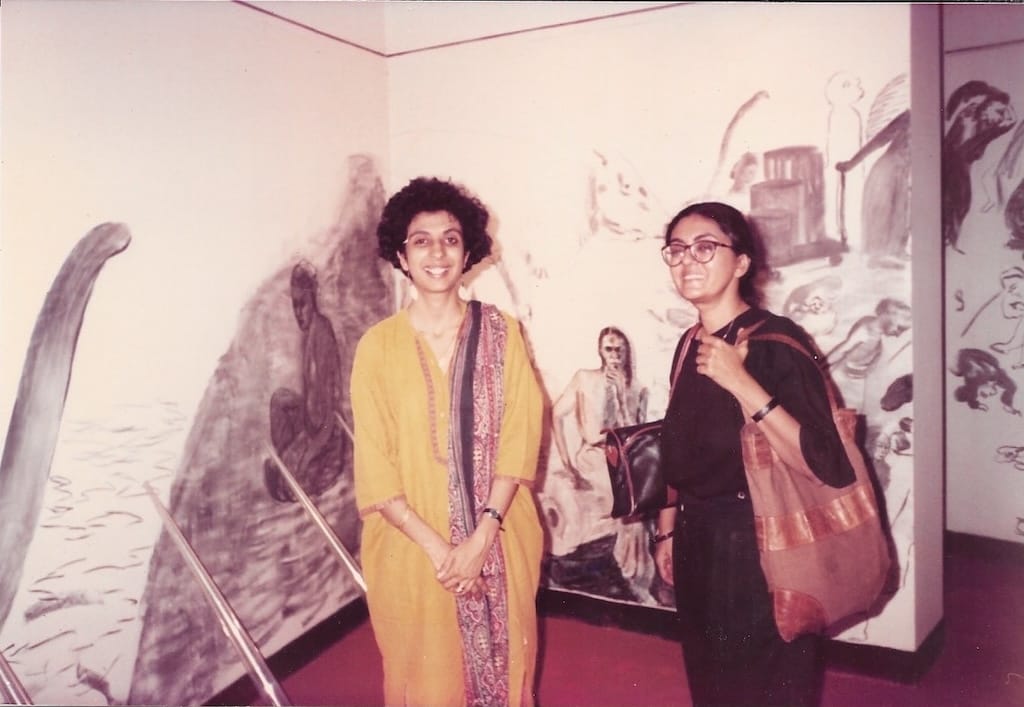
I suppose artists took advantage of having a young and enthusiastic person at the gallery who was willing to support radical ideas about how art could be presented. It also helped that the owners, Kekoo and Khorshed Gandhy, were deeply engaged both with art and with the political milieu of the time.
So perhaps unknowingly, I was carrying forward the mantle of their beliefs by showing art that was ahead of its time.
NS: Chemould has helped launch and sustain major artists across decades. How do you think about your role today: as a nurturer, a risk-taker, an editor, or a builder of cultural memory?
SG: I often go back to that earlier moment when everything felt urgent and exploratory. When Nalini Malani proposed turning the gallery into a site-specific installation, we barely understood what that meant! Yet by allowing it to happen, we gave shape to what artists were trying to express. For a gallerist, facilitating such moments felt extremely significant.
One exhibition would lead to another. Rummana Hussain, for example, was developing a powerful body of work responding to the social realities she faced as a Muslim woman. Chemould became the only space where she felt safe showing that work.
At the time, I do not think most people really understood what the artists and the gallery were trying to do. Yet we gradually developed a reputation for taking risks and for using the gallery as a kind of incubator for ideas.
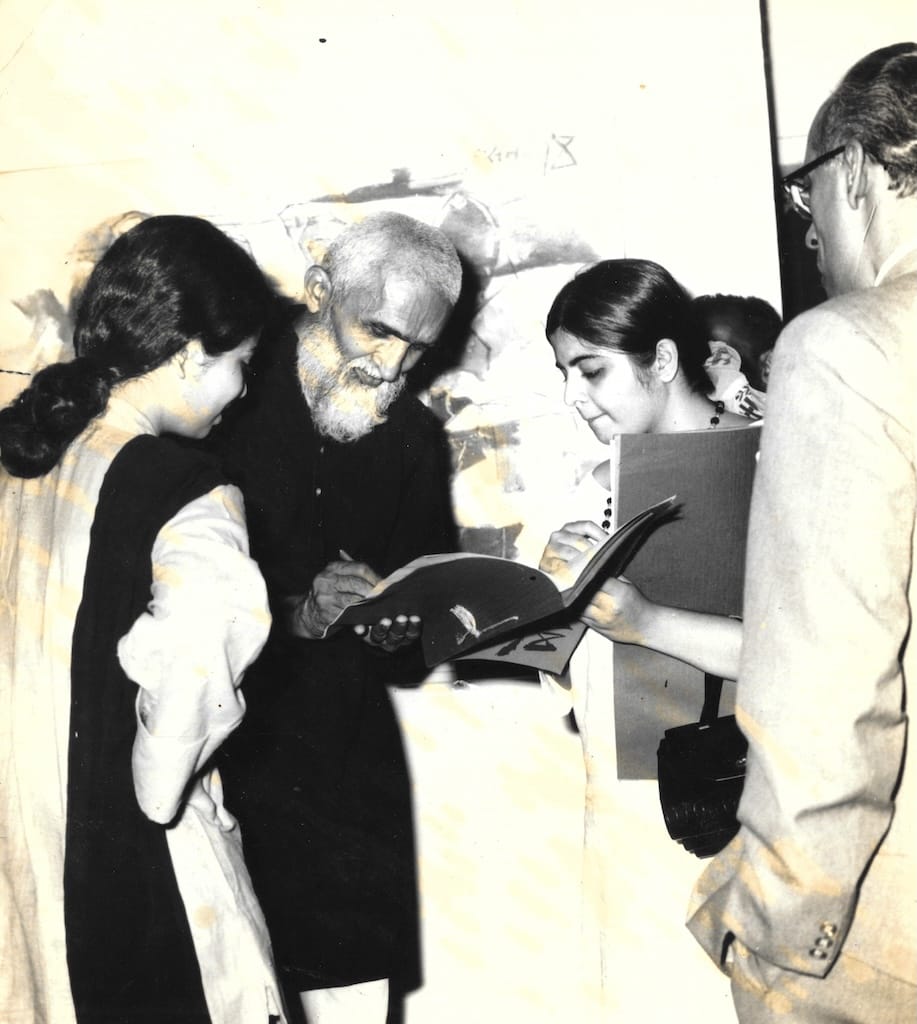
Looking back, I think a lot of this openness came from my parents and the way they raised us. They were big-hearted people whose doors were always open to new ideas. When artists arrived with unexpected materials or concepts, we approached them with trust. That trust worked both ways.
Sometimes, when I look back, I feel a slight sense of foolishness. I think about Rummana Hussain today and the significance of her work, which remains a small but seminal body produced during her short life. I sometimes wonder why I was not able to hold on to it more firmly. Her estate is now managed by another gallery that never met her.
But at the same time I also recognise that we were there before almost anyone else, doing things quite instinctively, with a lot of heart and very little calculation. At the time we sold almost nothing from those artists. The monetary aspect simply was not what drove us.
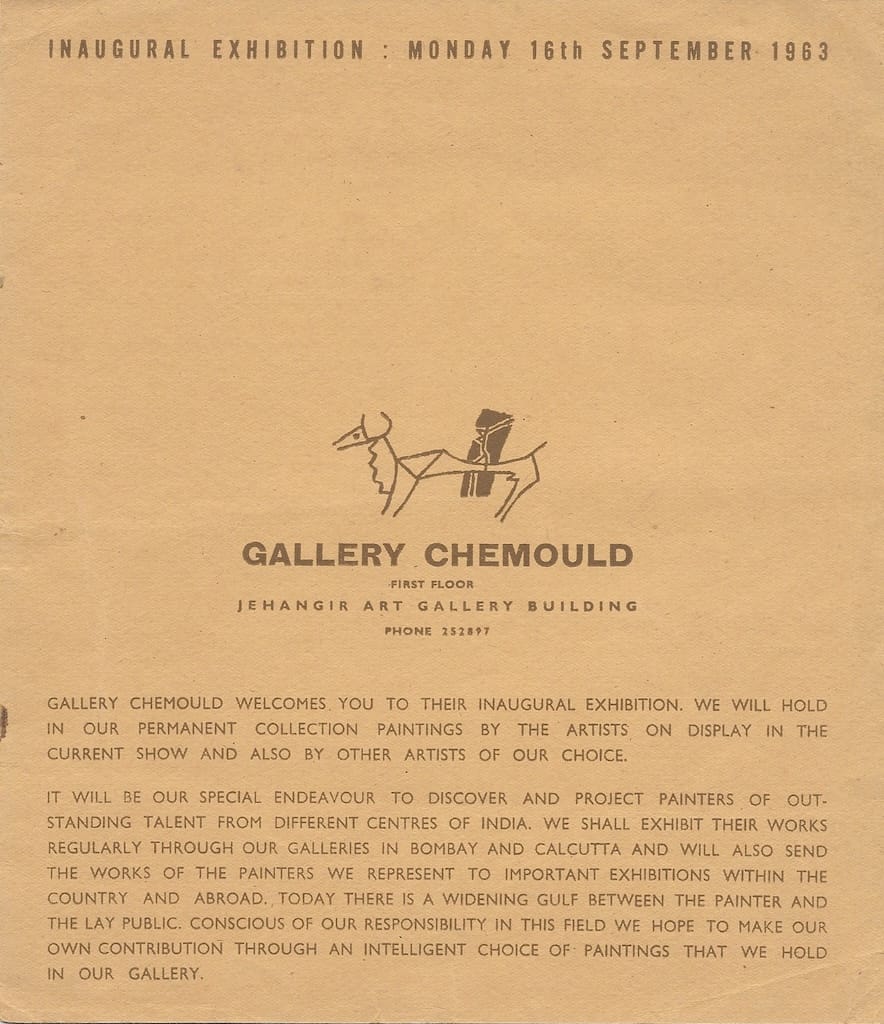

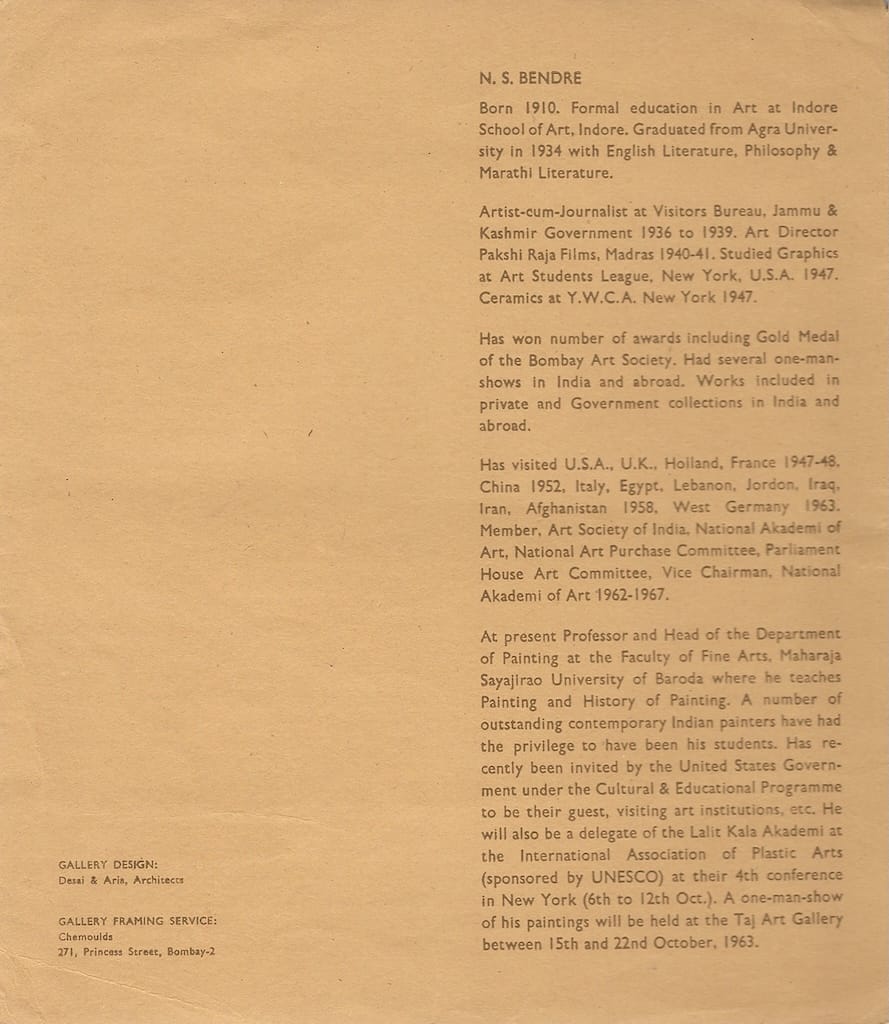
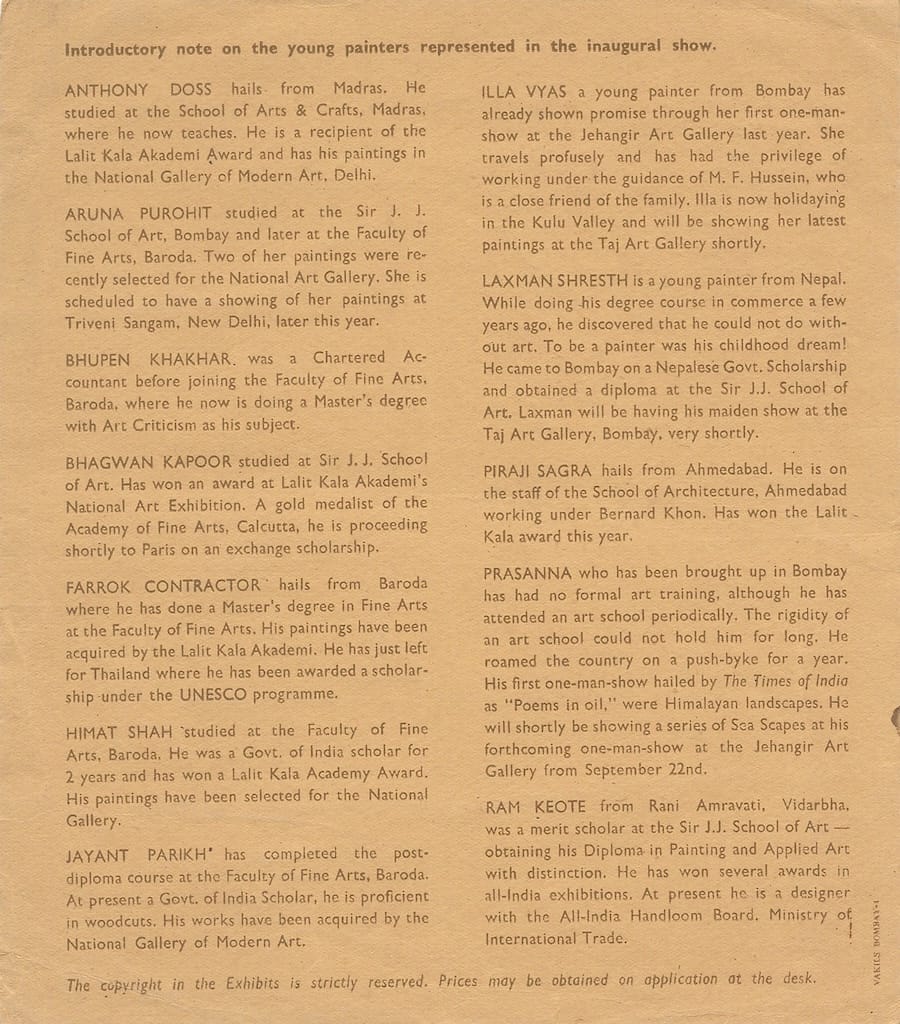
Inaugural exhibition brochure of Gallery Chemould, Monday, 16 September 1963.
NS: Can you recall a first encounter with an artist such as Atul Dodiya, Shilpa Gupta, Jitish Kallat, or N. S. Harsha when you felt their voice would shape the future? What did you see before others did?
SG: To answer that properly would probably take several chapters of a book!
Atul Dodiya, for example, has shaped the way I look at art in many ways. His work constantly references art history, and through him I began to look at other artists differently. When I visited exhibitions abroad, I often found myself viewing them through the lens of Atul’s work. My first encounter with Atul and Anju Dodiya was during our 25th anniversary exhibition in 1988, when my mother included him in that show. Atul was young and excited by the attention he was receiving, and he would come to the gallery every day to meet visitors. Because the exhibition was at the Jehangir Art Gallery, it attracted both serious art lovers and casual passers-by.
That week marked the beginning of a friendship between my then boyfriend, now husband Kurush, and Atul and Anju. Since then we have remained close, almost like family, while also maintaining a professional relationship over 38 years.
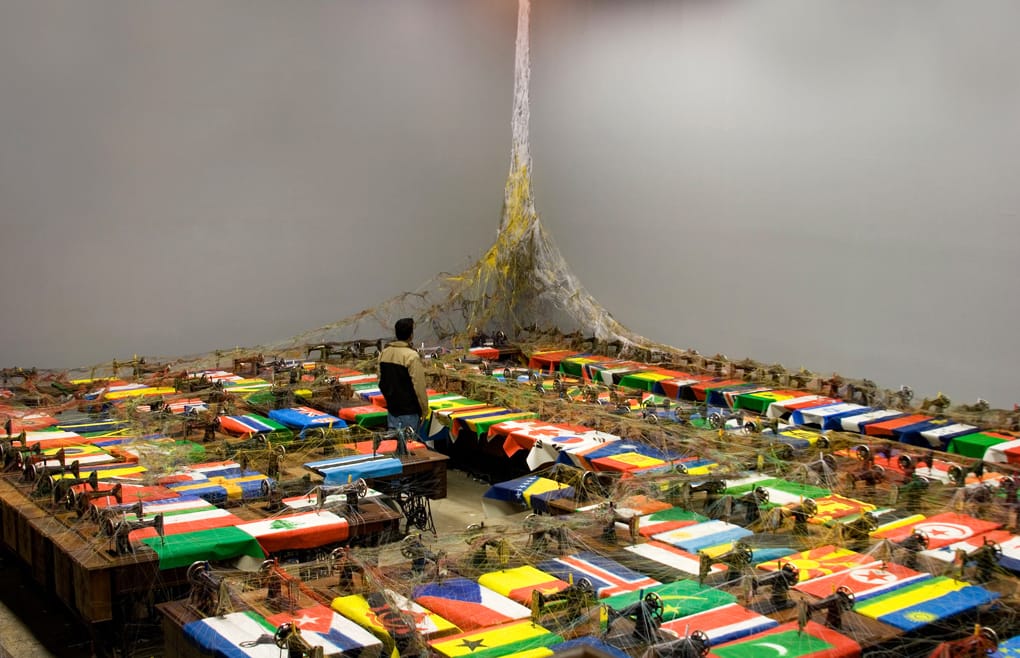
My first studio visit to Shilpa Gupta was when she was just twenty-one. Her “studio” was actually her father’s garage. The garage had been stripped completely bare, and hanging from the ceiling was a rail with grab-handles like those in a train compartment. Outside stood her father’s Maruti car with its entire interior removed. There we were, she at twenty-one and I at thirty-one, both smiling while I tried to figure out what to say next. In the years that followed, she continued to develop strong conceptual ideas. I admired what she was doing, but at the time it felt somewhat recreational to me and I did not quite have the courage to exhibit it. By the time Shilpa gained international recognition, I was, as I often say, somewhat late to her party. Eventually, though, our shared sensibilities around politics and humanity brought us into a strong working relationship.
My first encounter with Jitish Kallat was at the graduating exhibition where the award winners from the J. J. School of Art were invited to show at the Jehangir Art Gallery. Jitish was showing a large painting featuring a self-portrait with a wristwatch dangling from his mouth. I remember standing there with my own watch unstrapped while looking at this painting and catching his gaze. That moment began a friendship and working relationship that has now lasted 30 years! What followed after this encounter was a studio visit, which led to his first solo exhibition with us. It was the beginning of what became and continues to this day, a remarkable career.
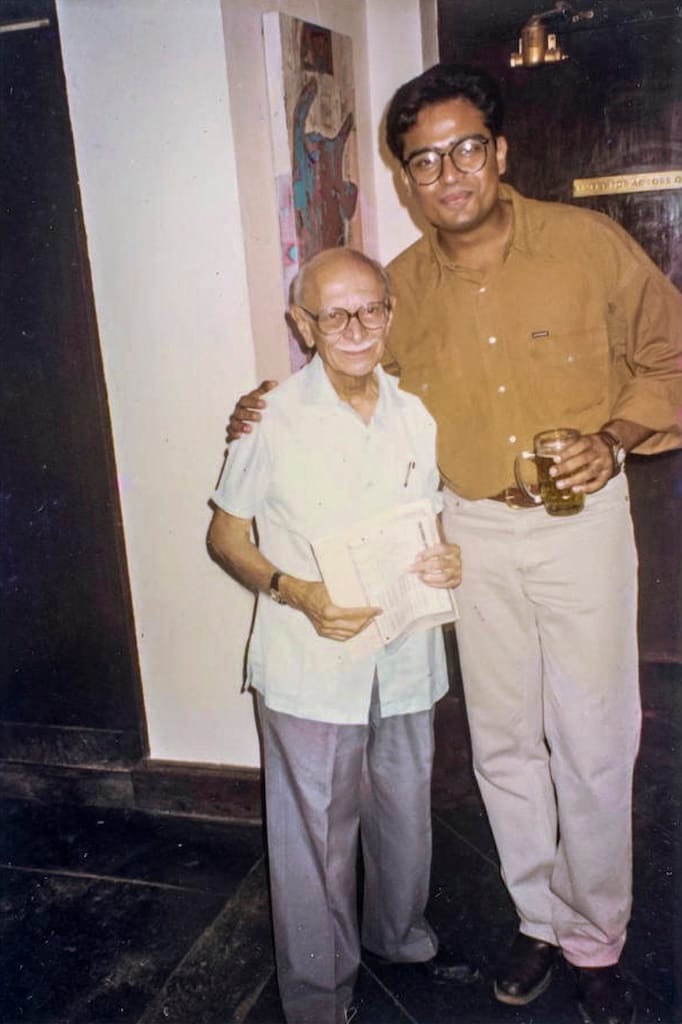
In the mid-nineties I had coordinated an exchange exhibition between Australia and India with my curator friend Chaitanya Sambrani and Suhanya Raffel, who is now the director of M+. During that process I had got to know N. S. Harsha and paired him with an Australian artist from Sydney named Joan Grounds. The pairing has endured to this day, and they continue to collaborate.
Harsha and I have continued on several projects, and his work continues to give me much joy - with its whimsical figures, hybrid bodies and acrobatic gestures, often performing impossible acts, brings humour and a sense of wonder. His art allows me to step out of agitation and enter a more fantastical realm. Its almost like a healing balm in today’s world!
NS: Is there a Chemould sensibility that you are drawn to again and again, whether that is experimentation, political urgency, formal intelligence, or a willingness to question the times?
SG: I have never been asked this before, and I appreciate the question because it made me think about the idea of a “Chemould sensibility”.
Perhaps there is something that draws me repeatedly to artists whose work carries a spirit of experimentation or political urgency. I think of Mithu Sen, whose work often tunnels into very dark psychological spaces. She pierces paper so intensely that it transforms into something beautiful, yet beneath that beauty lies an extraordinary sharpness of intelligence.
Then there is Varunika Saraf, who wears her rebellion openly. Her diaristic drawings record protests, struggles and the injustices faced by ordinary citizens. I remember encountering her work on instagram on a daily basis when she would do a drawing a day. Her sharp incisisive renders of expressions, bodily actions was so capturing that I began to wait for the drawing everyday. At the time, I had no idea that I would eventually end up working with her, but it was the kind of sensbility that I was deeply entranced by.
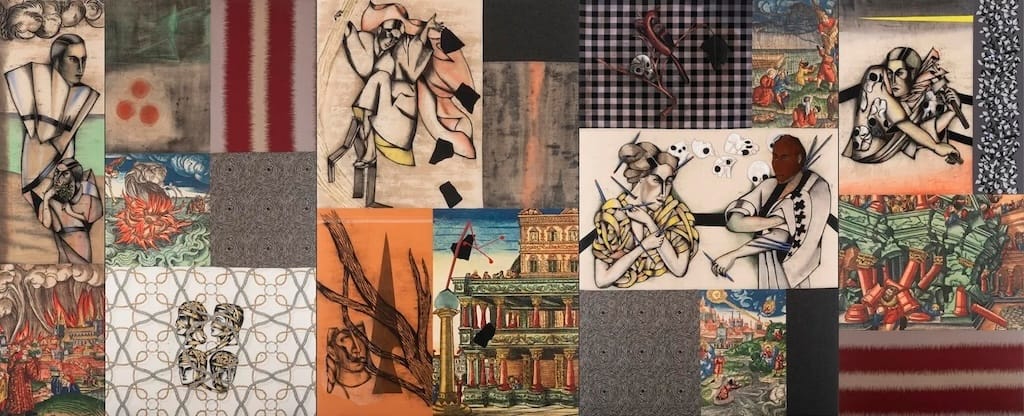
Anju Dodiya’s work also appears beautiful on the surface, yet beneath it are layered narratives that reveal themselves slowly.
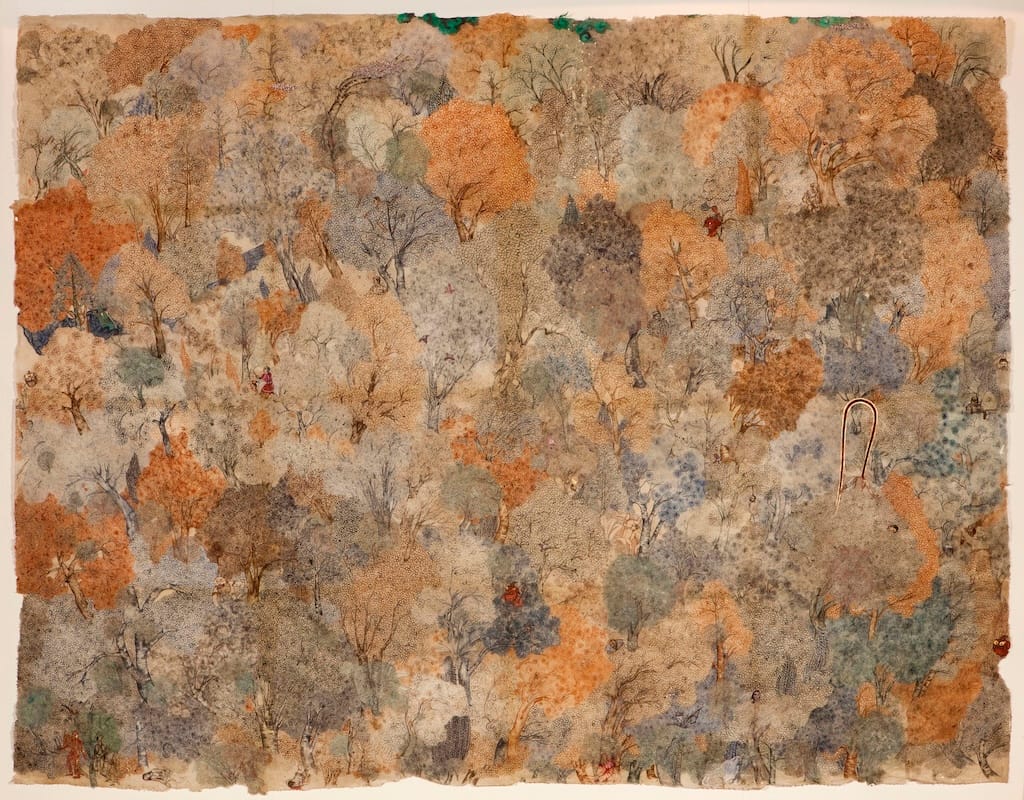
A more recent example might be Mohit Shelare, a young Dalit artist whose landscapes appear serene but speak about the toxicity and historical sediment embedded within them.
For me, many Chemould artists share a willingness to experiment, come with strong formal intelligence, and an instinct to question the times in which we live.
NS: Chemould’s move from Jehangir Art Gallery to the Prescott Road loft in 2007 feels symbolic. How did that shift change the gallery’s energy, audience, and ambition?
SG: At Jehangir, the gallery felt almost like a womb. It was a small 800 square foot space where artists created works largely designed to fill those walls. The art world itself was relatively quiet before the world began to change! I felt that the gallery had reached a sink-or-swim moment. Fortunately, just in time, I managed to swim!
Moving to Prescott Road felt like a seismic shift. Suddenly we had a vast space where artists could think much more ambitiously. I remember the second exhibition we held here, by Anant Joshi called One and the Navel. It remains one of the most powerful installation exhibitions we have presented. Using children’s toys, he explored themes of violence in deeply unsettling ways. I realised the power of a space and the ambition it allows for an artist to perform within that space. It allowed artists to expand their imagination, and that energy also transformed the perception of the gallery. What had once seemed like a slightly ageing institution suddenly felt revitalised.
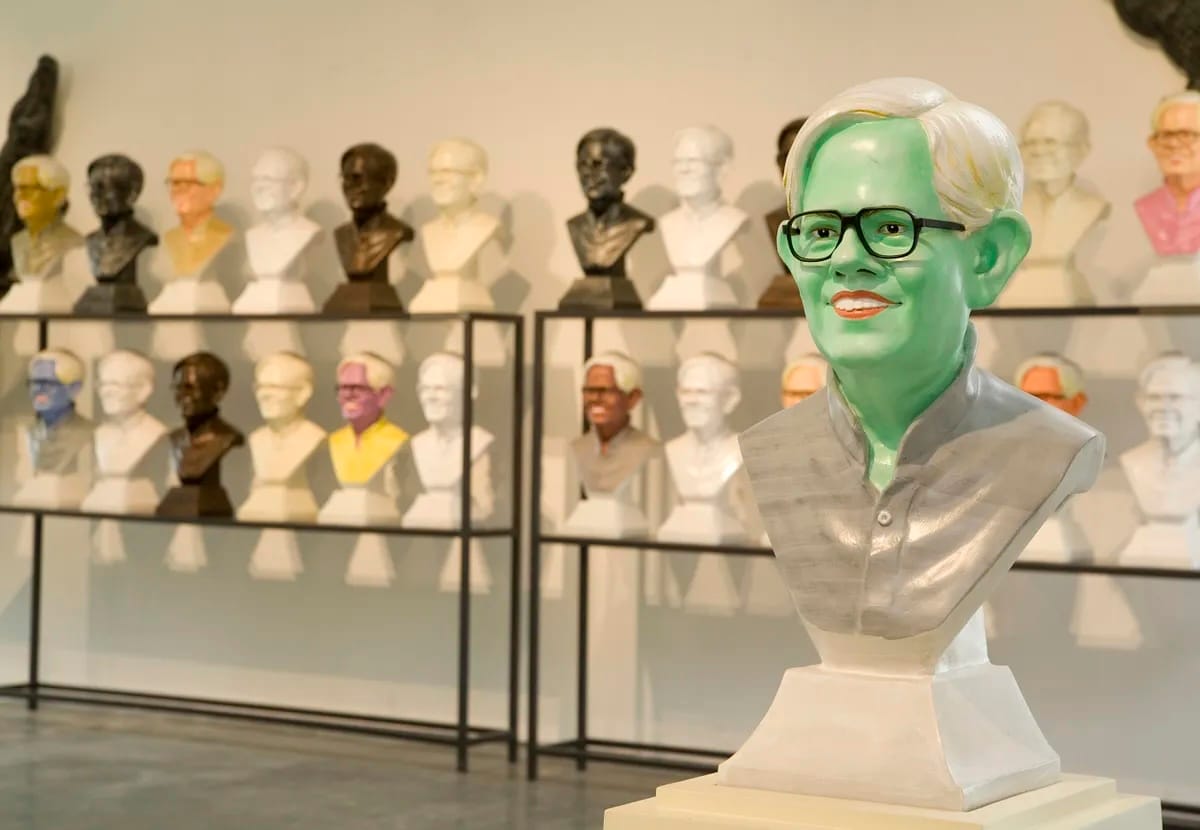
NS: You have witnessed Indian contemporary art move from a relatively intimate ecosystem to a global-facing industry. What do you think we have gained, and what might we have lost?
SG: One of the things I remember most fondly is the intimacy that once existed among artists. I think of groups such as Prabhakar Barwe, Shakuntala Kulkarni, Madhav Imarte and Dilip Ranade, who would meet every Friday, visit exhibitions together and exchange thoughts. An artist’s perspective on another artist’s work carries a depth that comes from shared experience. Those conversations were invaluable.
Over time, that ecosystem has weakened. In its place there is sometimes suspicion and a kind of polite but empty praise. The practice of visiting each other’s studios and engaging in honest critique has largely disappeared. Many artists are now reluctant to share ideas before they are fully realised.
That is perhaps the downside.
The upside is that Indian contemporary art now occupies a far more visible place internationally. Artists are invited to global platforms and biennales where they can stand on equal footing with their peers from anywhere in the world.
When I present artists at international art fairs, I do so with confidence, believing that their work belongs in that global conversation.
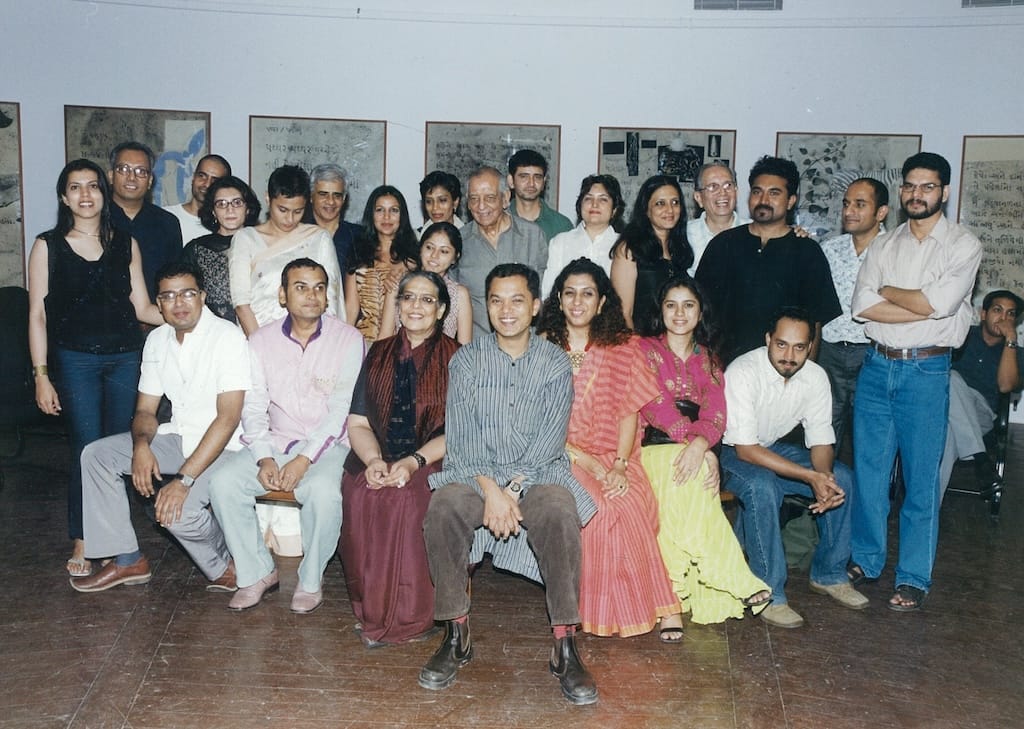
NS: You have worked closely with museums, biennales, and institutional exhibitions. What allows an artist’s work to move from the gallery context into a historical one?
SG: Recently I was speaking with one of the gallery’s artists whose work focuses on intimate domestic scenes. Her paintings are technically superb and extremely beautiful, and she has enjoyed considerable commercial success. Yet she has not appeared in many large museum exhibitions. During our conversation she said something that moved me deeply. She told me she wanted to start making work in which she might fail. She wanted to experiment, to break out of what might have become a comfortable mould. As a gallerist I obviously appreciate her commercial success. But I was heartened by her desire to explore unfamiliar territory.
On the other hand, there are artists who naturally find themselves entering global curatorial conversations. Nilima Sheikh is one example. Her work which is deeply rooted within the miniature tradition, often embedded with stories that speak very specifically to situations within India – whether it is dowry, patriarchy, or politically driven brutality. Yet, her language, her imagery and colour resonates easily within international exhibition frameworks.
And while some artists move naturally into those institutional spaces, others struggle to find that place despite producing extraordinary work. There does exist a barrier which deters a deeper acceptance when contemporary art from India is rooted within its own milieu.
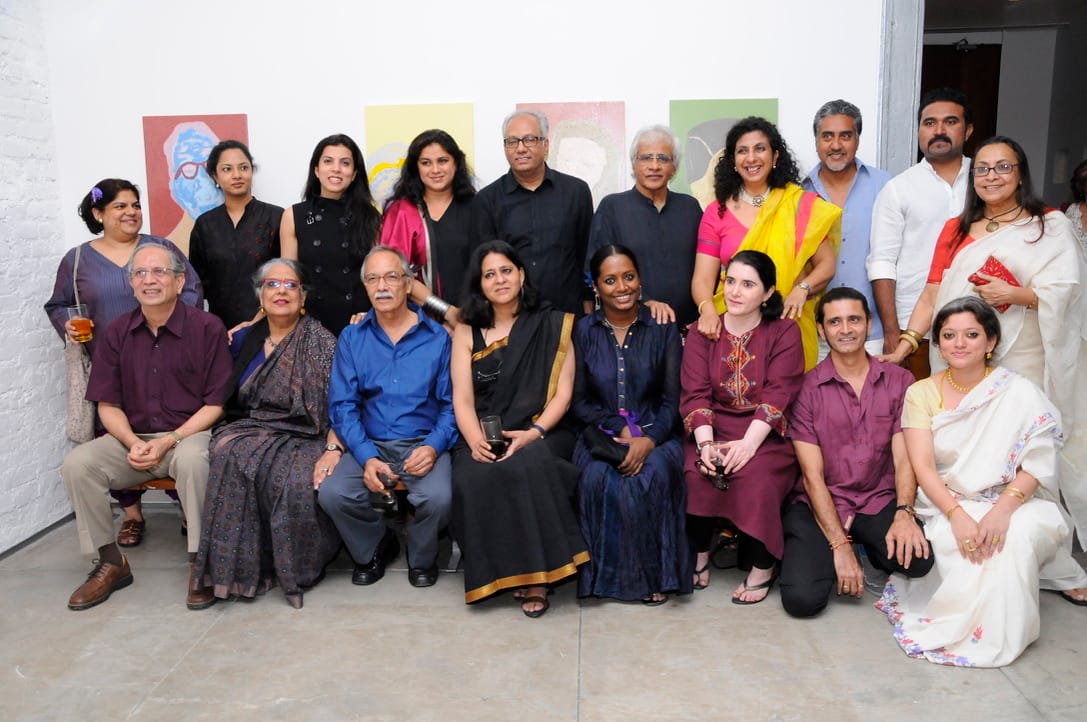
NS: For Chemould’s 50th anniversary you presented Aesthetic Bind, which examined contemporary curatorial practices. What questions were you asking through those exhibitions?
SG: Those exhibitions were conceived entirely by the curator Geeta Kapur. I worked closely with her throughout the process, but the intellectual framework was hers.
For me, it became an extraordinary learning experience in curatorial practice. Geeta is meticulous about spatial relationships, the flow of exhibitions and the precise juxtaposition of works. Each artist included in the five exhibitions was carefully chosen. Each show addressed a different theme, from citizenship to art history, phantom appearances in art, all brought together under the broader idea of an “aesthetic bind”.
I would not say I was searching for answers. Rather, I was observing closely the art of curating itself. Geeta’s eye and intellectual rigour are something I deeply respect and the privilege of working so closely with a curator of her stature was quite simply the benefit of a gallery turning 50!
NS: Chemould has represented many women artists. Was that intentional?
SG: We do represent a large number of women artists. At one point a senior male artist joked that Chemould had become “too much of a feminist gallery”. I took that as a badge of honour!
In truth it happened quite organically. Many of the artists I connected with were people whose work carried authenticity, conviction and a certain sensitivity that resonated with me.
I think particularly of Shakuntala Kulkarni, whose career I inherited from my parents. She began slowly, with small steps, but always with strong convictions and a powerful feminist voice. Today, at seventy-five, it is incredibly exciting to see her work recognised within mainstream discourse. She is confident, ambitious and representative of many of the values that shape the Chemould programme.
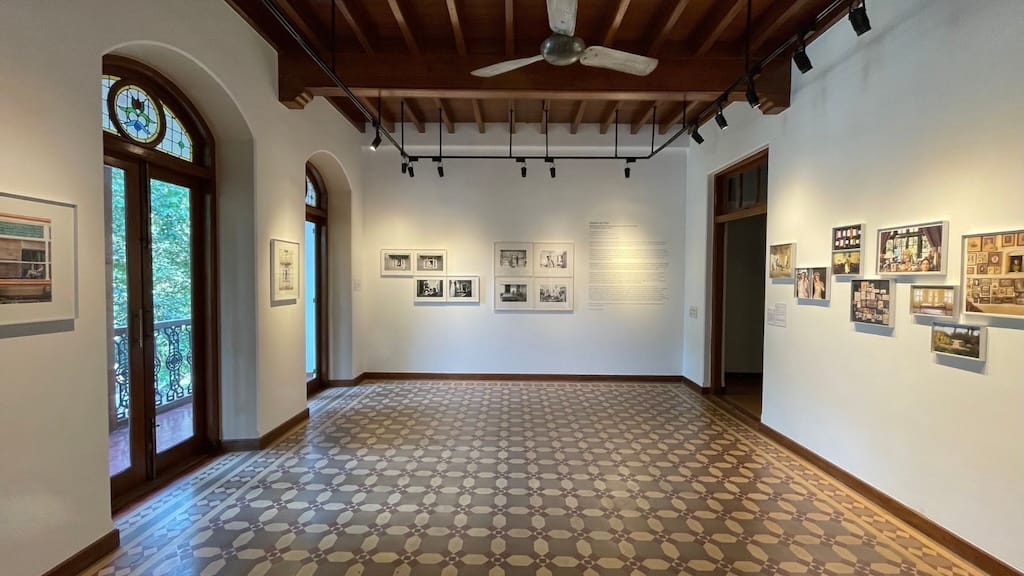
NS: Chemould CoLab seems designed for a new moment, with emerging artists, new audiences, and new formats. What kind of artistic risk or cultural need is CoLab meant to hold that the traditional gallery model cannot?
SG: I often think back to when my parents first started Chemould, working with emerging artists such as Husain, Raza and Nasreen Mohamedi, among many others.
Of course, CoLab operates in a very different moment, but it also carries a significant legacy. There is already a kind of template that exists, one that can be adapted and reinterpreted.
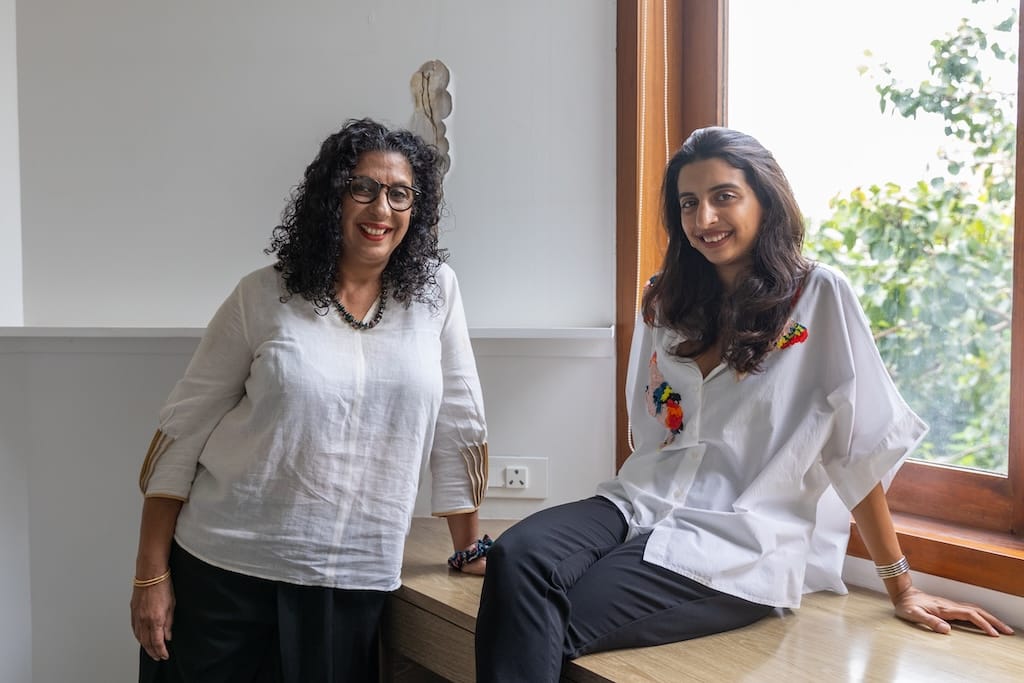
My daughter Atyaan’s way of working may differ from mine, but she still draws from that foundation. The underlying ethos of nurturing, supporting and growing together remains very much the same.
When I interact with the artists she works with, I do not see a fundamental shift in their core characteristics compared to the artists we began with. There are, of course, differences in expectations and demands across generations, but at the heart of it, the role of a gallerist remains unchanged.
To be a gallerist is to place the artist first. Everything else is professional knowledge that one acquires over time, with each exhibition becoming a lesson for the next.