National Portrait Gallery Launches Public Portrait Project
A new participatory artwork by Es Devlin and Google Arts & Culture Lab invites people across the UK to contribute their own digital portraits, creating an evolving collective portrait displayed at the National Portrait Gallery until October 2026.

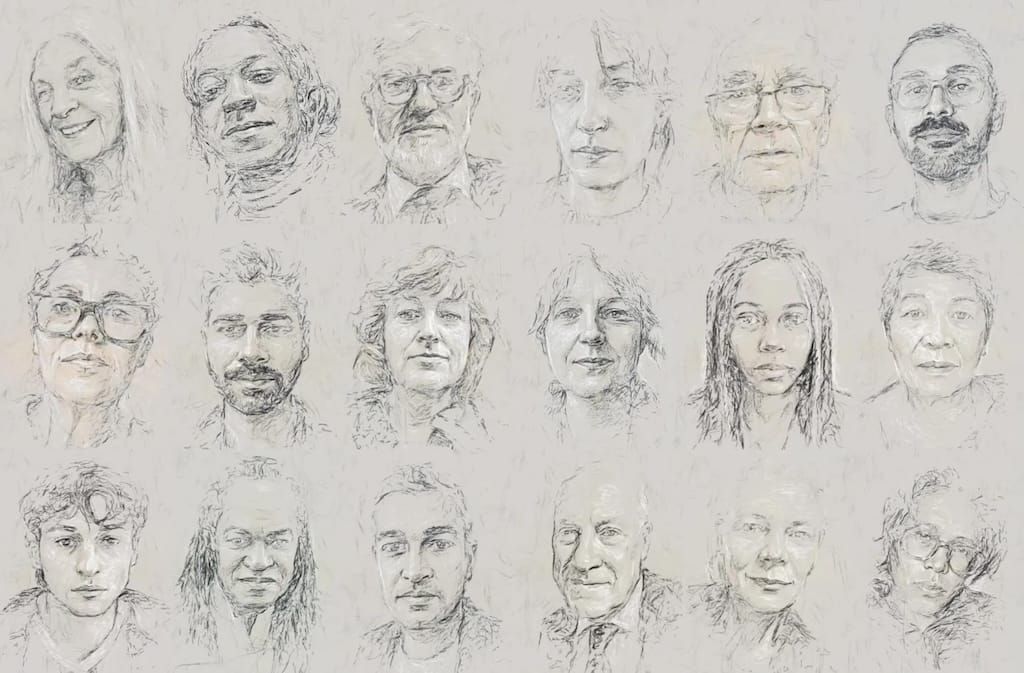
The National Portrait Gallery has unveiled A National Portrait for the National Portrait Gallery, a groundbreaking participatory artwork by acclaimed British artist Es Devlin. Developed in collaboration with Google Arts & Culture Lab, the evolving digital installation invites people across the United Kingdom to contribute their own portraits and become part of a collective representation of the nation.
Now on display in the Gallery's History Makers gallery until 27 October 2026, the project transforms visitors from observers into participants. Through a dedicated platform hosted by Google Arts & Culture, individuals can upload a photograph of themselves, which is then converted into an animated digital portrait inspired by Devlin's distinctive charcoal and chalk drawing style. Once submitted, the portrait is instantly incorporated into the continually evolving artwork displayed within the National Portrait Gallery.
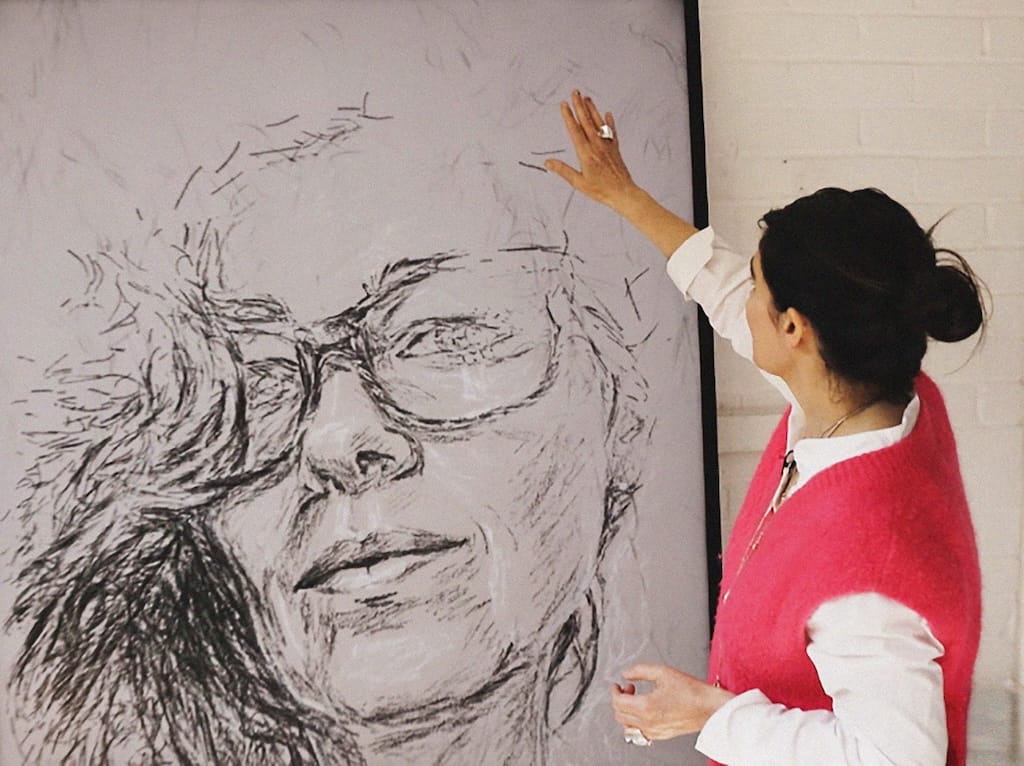
Each participant also receives a unique digital edition of their portrait, creating a personal connection to the wider communal work. The project represents the culmination of three years of collaborative research between Devlin and Google Arts & Culture Lab, exploring how emerging technologies can expand participation in artistic practice.
For Devlin, whose work frequently centres on collective experience and public engagement, the installation serves as a response to contemporary debates surrounding national identity. Rather than presenting a fixed image of the nation, A National Portrait frames identity as something fluid, collaborative, and constantly evolving through the contributions of individuals from diverse backgrounds.
"The National Portrait Gallery belongs to us," Devlin said. "It's the largest collection of portraits in the world and its over 220,000 artworks are part of our cultural commons. It is a mirror of us: it reflects who we've been and who we are becoming."
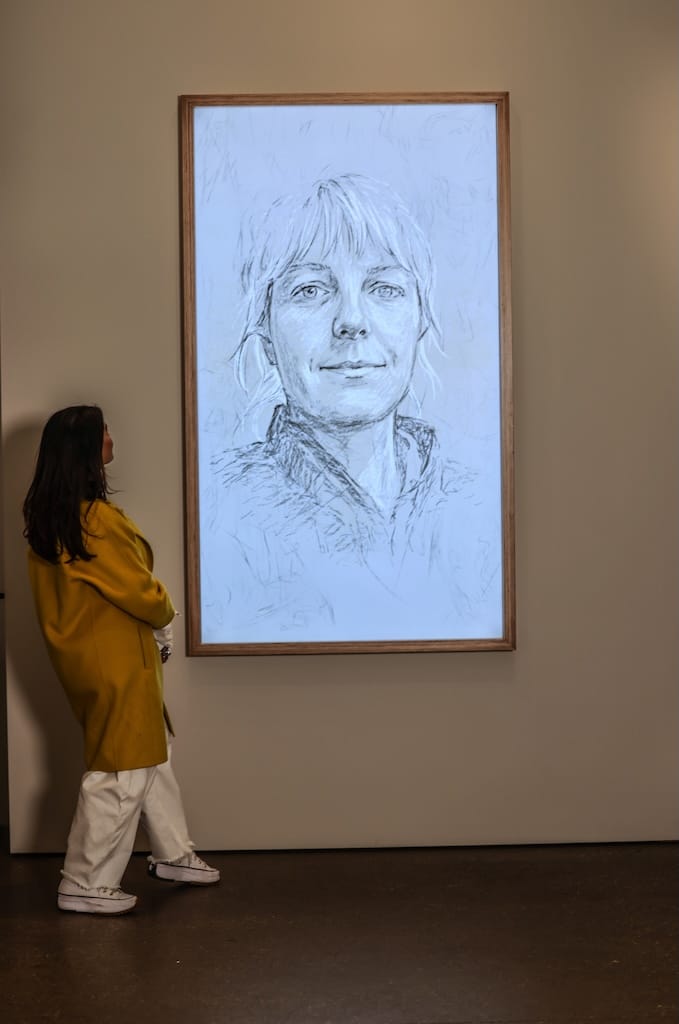
She added that the portrait is designed to accommodate everyone, regardless of background or belief, continuously redrawing itself as new participants join the work. In doing so, it explores national identity as "a continuous process of collective imagination".
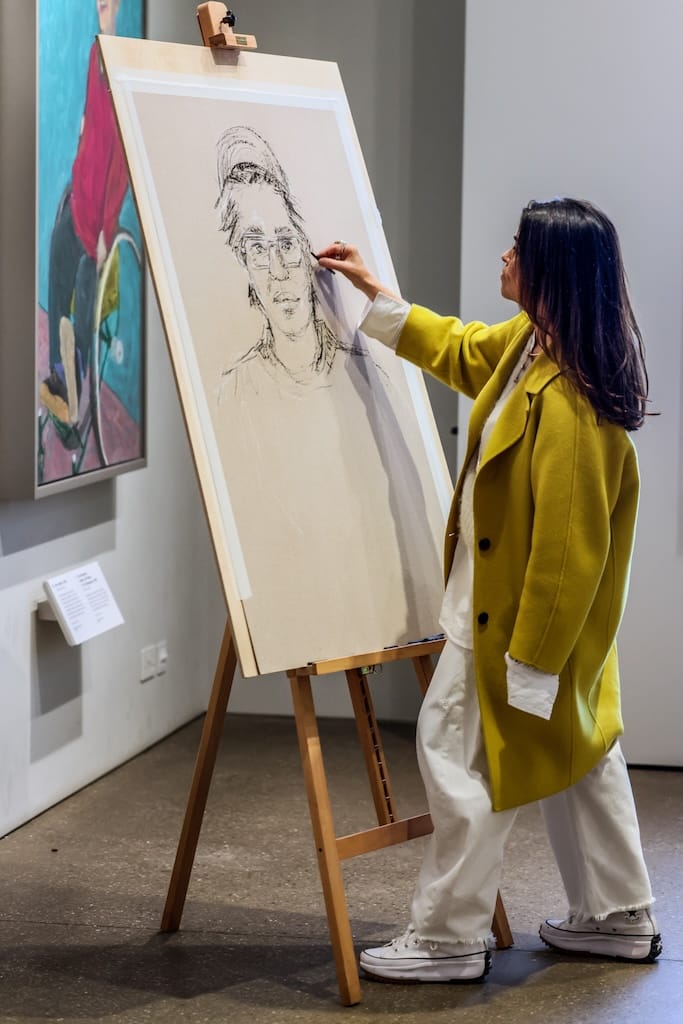
Alongside the digital installation, Devlin is encouraging visitors to engage with the traditional practice of portrait drawing. Earlier this year, she hosted a free public drawing event at the Gallery and also created an online step-by-step drawing class accessible to participants across the UK.
The National Portrait Gallery will continue this emphasis on hands-on participation through a series of free Drop-In Drawing sessions scheduled throughout the exhibition's run. Workshops will take place on 12 June, 3 July, 4 September, and 2 October 2026, with the final session hosted by Devlin herself.
Dr Flavia Frigeri, Curatorial and Collections Director at the National Portrait Gallery, described the project as an opportunity for audiences to engage directly with portraiture in new ways.
"We're delighted to welcome this collaboration between Es Devlin and Google Arts & Culture Lab to the National Portrait Gallery," she said. "For the next six months, audiences will be able to not only observe but to become part of this portrait itself, pushing the boundaries of portraiture."
The initiative also highlights the long-standing relationship between Devlin and Google Arts & Culture. Over the past decade, the artist has collaborated with the organisation on projects that merge art, technology, and public participation, including Poemportraits, Singing Tree, and Please Feed the Lions, the latter transforming public contributions into a collective poem projected onto Nelson's Column in London's Trafalgar Square.
Freya Salway, Head of the Lab at Google Arts & Culture, said the new work continues the organisation's commitment to artist-led experimentation with advanced technologies. "We are thrilled that the National Portrait Gallery is displaying A National Portrait, offering the UK public a personal way to see themselves reflected on the walls of this iconic institution," she said.

The project arrives at a moment when cultural institutions are increasingly exploring how digital technologies can foster participation rather than passive observation. By inviting thousands of contributors to shape a single artwork, A National Portrait challenges conventional ideas of portraiture, authorship, and representation.
Founded in 1856, the National Portrait Gallery holds the world's largest collection of portraits and has long sought to tell the story of Britain through the people who have shaped its history and culture. Devlin's installation extends that mission into the present, offering an opportunity for the public not only to view the nation's portrait collection but also to become part of it.
Members of the public can create and submit their own portrait through the Google Arts & Culture platform, contributing to a living artwork that will continue to grow and transform throughout its display at the National Portrait Gallery.