Why Blue Was Once More Valuable Than Gold
Long before blue paint became affordable, artists prized ultramarine above almost every other pigment. Made from rare Afghan lapis lazuli, it travelled thousands of miles and was sometimes worth more than gold, transforming the history of Western art.

Blue is one of the world's favourite colours today. It fills our wardrobes, paints our walls, glows from our screens and appears in countless works of art. It is so common that it is difficult to imagine a time when a brilliant blue pigment was one of the most precious materials an artist could acquire. Yet for centuries, one particular shade of blue, known as ultramarine, was worth more than its weight in gold.
The story of ultramarine is not simply about colour. It is a tale of geology, trade, religion, economics and artistic ambition. Hidden within its history is the remarkable journey of a rare stone that travelled thousands of miles before being transformed into the luminous blue that defined some of the greatest masterpieces of European art.
A Blue Born in the Mountains
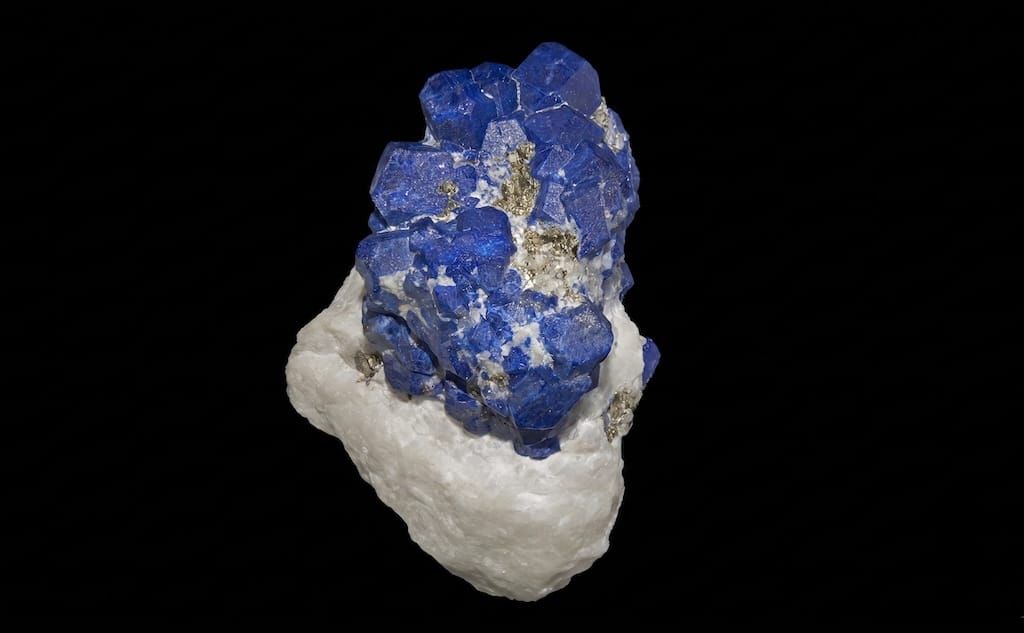
The story begins in the rugged mountains of what is now northern Afghanistan. For more than 6,000 years, miners extracted a striking blue stone known as lapis lazuli from the Sar-e-Sang mines in the Badakhshan region. These mines are among the oldest continuously worked mineral deposits in the world.
Lapis lazuli is not a single mineral but a rock composed of several minerals. Its vivid blue colour comes primarily from lazurite, while tiny flecks of golden pyrite often sparkle across its surface. White veins of calcite can also run through the stone, reducing its value for artistic purposes.
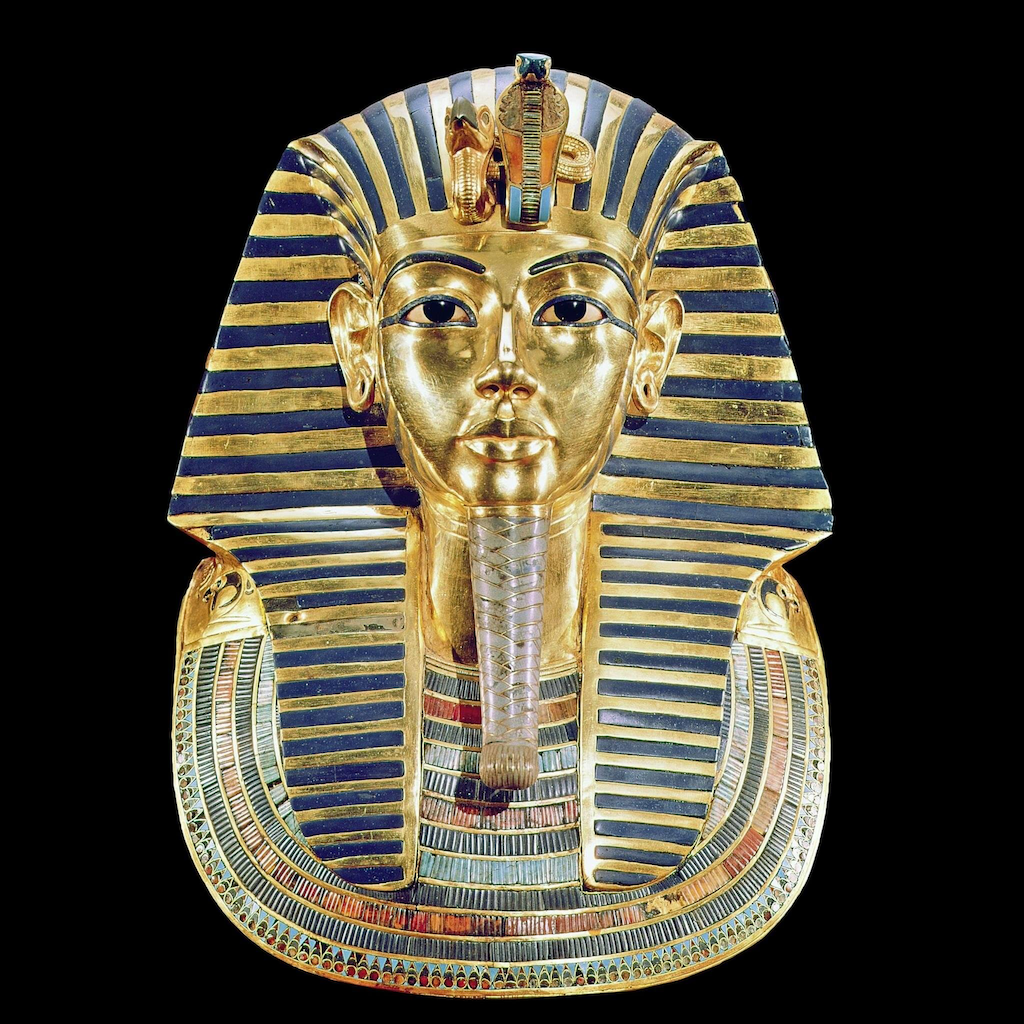
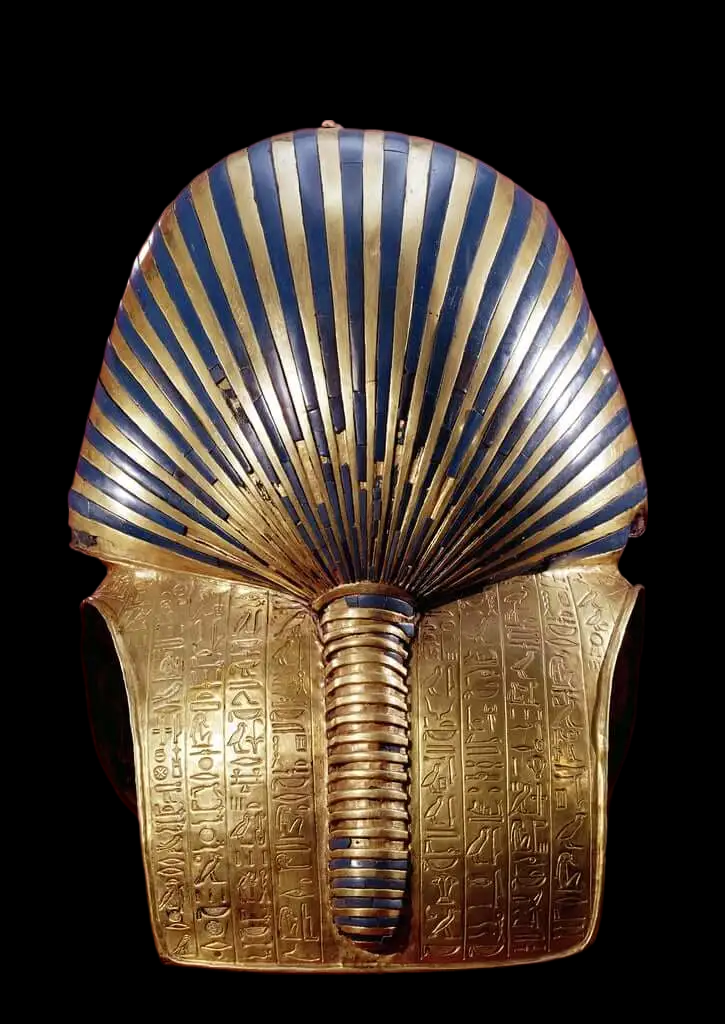
Lapis lazuli features prominently in Tutankhamun's funerary mask, where it forms the blue stripes of the nemes headdress as well as the eyebrows and eyelids. Imported from Afghanistan over 4,000 kilometres away, the stone was among the most precious materials available to ancient Egyptian craftsmen.
Long before Europeans discovered its potential as a pigment, lapis lazuli was treasured by ancient civilisations. The Egyptians carved it into jewellery, amulets and scarabs. Pharaoh Tutankhamun's famous funerary mask contains inlays of lapis lazuli, demonstrating its prestige more than 3,000 years ago. Mesopotamians used it in seals and ornaments, while traders carried it across Asia and the Mediterranean through vast commercial networks.
Its rarity alone made it valuable. There were very few significant deposits, and the finest material came almost exclusively from Afghanistan. Every piece had to survive an extraordinary journey before reaching artists thousands of miles away.
Across Mountains and Seas
The name "ultramarine" comes from the Latin ultramarinus, meaning "beyond the sea". It reflects the incredible distance the pigment travelled before arriving in Europe.
Caravans transported lapis lazuli through Central Asia and Persia before it reached ports along the eastern Mediterranean. From there, Venetian merchants distributed the precious stone throughout Europe. Every stage of this journey added cost, danger and scarcity.
Merchants faced harsh terrain, political instability, piracy and theft. By the time a shipment reached the workshops of Florence, Venice or Bruges, its price had increased dramatically. Wealthy patrons often purchased the pigment themselves and supplied it directly to painters to ensure it was not wasted or substituted with cheaper alternatives.
The long supply chain also meant that availability could fluctuate. Wars, changing trade routes or political upheaval could all affect the supply of this remarkable stone.
Turning Stone into Colour
Possessing lapis lazuli was only the beginning. Transforming it into ultramarine required extraordinary patience and skill.
The stone was first crushed into a fine powder. However, simply grinding it did not produce the brilliant blue artists desired because the crushed material still contained colourless minerals and impurities.
Medieval craftsmen developed a painstaking purification process. The powdered stone was mixed with wax, pine resin and oils to create a dough-like mass. This mixture was then kneaded repeatedly in an alkaline solution, allowing the finest blue particles to separate gradually from the rest of the material.
The first extractions yielded the richest, deepest blue and were the most valuable. Later extractions produced increasingly duller shades suitable for less prestigious uses. The entire process could take weeks. Much of the original stone was discarded during refinement, making the final pigment exceptionally scarce. Every small jar represented not only a rare mineral but also hours of specialised labour.
A Colour Reserved for the Sacred
Because ultramarine was so expensive, artists used it sparingly and strategically.
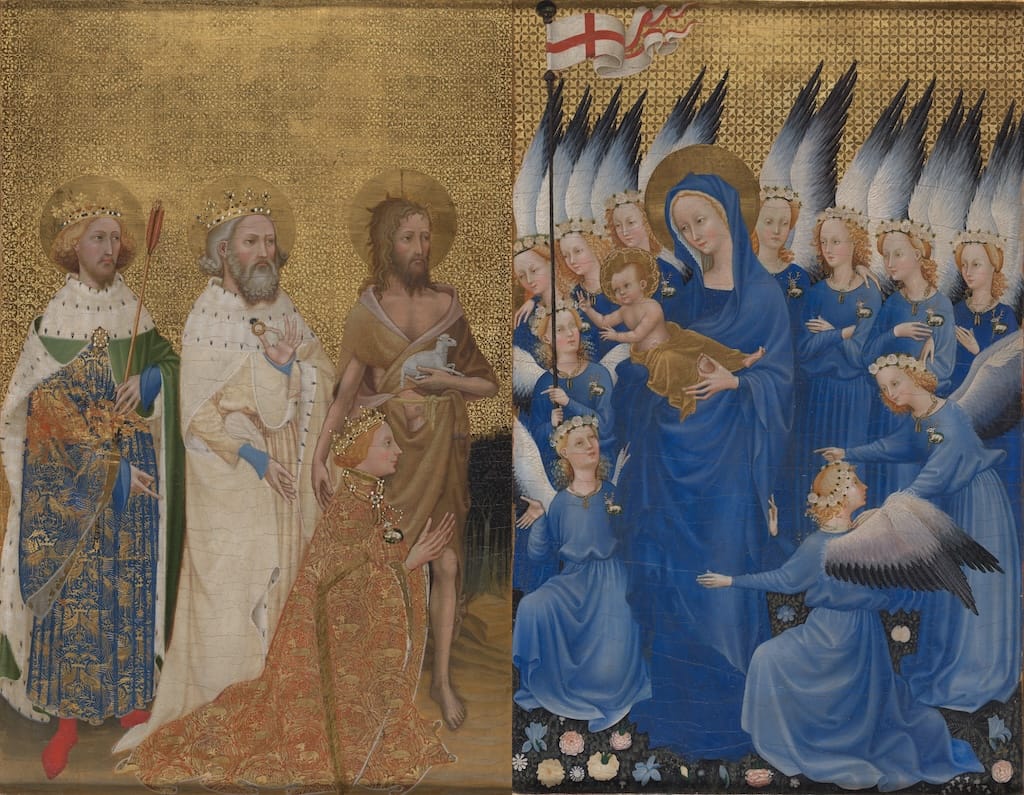
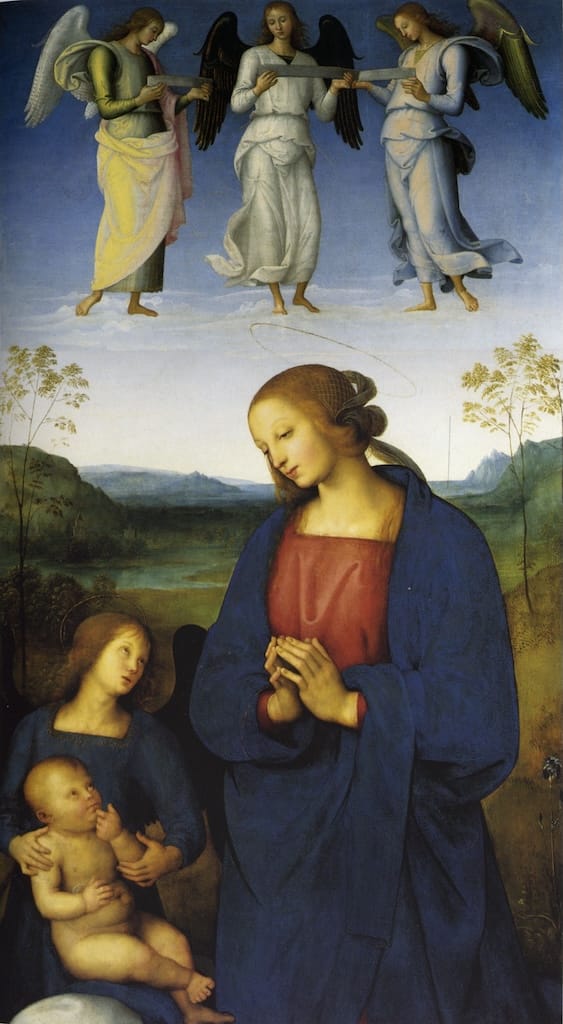
Perhaps its most famous role was in depictions of the Virgin Mary. Throughout the Middle Ages and the Renaissance, Mary's robes were frequently painted in ultramarine. The brilliant blue symbolised her purity, dignity and heavenly status. Using the finest pigment was also a way for patrons to express devotion and demonstrate their generosity towards the Church.
The association became so strong that deep blue robes became one of the defining visual features of Marian imagery.
Artists rarely used ultramarine for ordinary objects or backgrounds unless the commissioner could afford the expense. Contracts sometimes specified exactly how much ultramarine should be used in a painting, reflecting its financial importance.
In many cases, painters reserved the pigment only for the most significant parts of a composition, surrounding it with more affordable colours elsewhere.
The Masters Who Used Ultramarine
Some of history's greatest artists relied on ultramarine to create unforgettable masterpieces.
The Italian Renaissance painter Giotto employed rich blues in his frescoes, helping transform medieval painting into something more naturalistic and emotionally expressive.

Fra Angelico used ultramarine extensively in religious works, where the colour reinforced the spiritual atmosphere of his paintings.
Perhaps no artist demonstrated its beauty more effectively than Johannes Vermeer. In works such as Girl with a Pearl Earring and The Milkmaid, Vermeer used natural ultramarine with remarkable subtlety. Rather than limiting it to clothing, he incorporated the pigment into shadows and other unexpected areas to create extraordinary luminosity. This sophisticated understanding of colour helped produce the quiet brilliance that characterises his paintings.

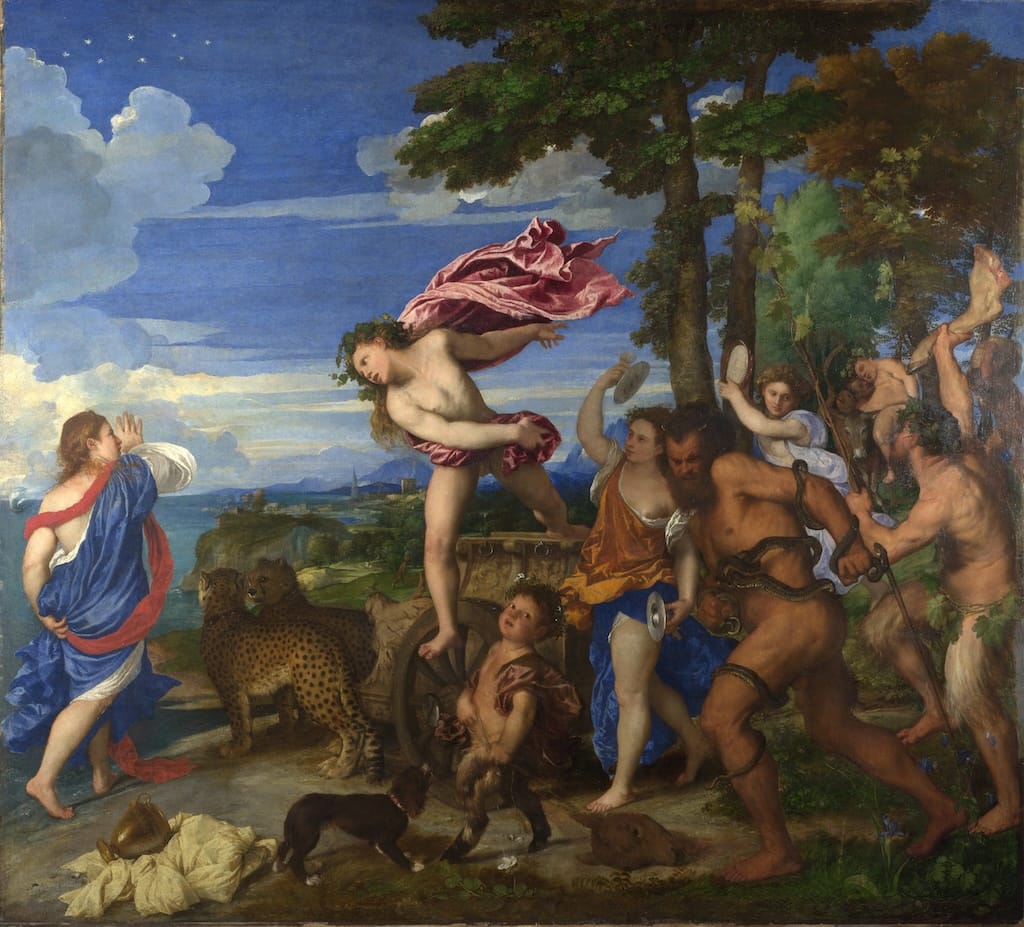
Titian, Raphael and Albrecht Dürer also made careful use of ultramarine, although its cost often required careful planning and selective application. Even the wealthiest workshops had to manage supplies carefully. Every brushstroke carried genuine financial weight.
More Valuable Than Gold
The statement that ultramarine was more valuable than gold is not merely poetic exaggeration.
At various points during the Renaissance, high-quality natural ultramarine could cost more than an equivalent weight of gold. Prices varied depending on purity, location and availability, but the finest pigment ranked among the most expensive materials available to artists.

Its value reflected several factors simultaneously. The source was extremely limited. Mining was difficult. Transportation involved enormous distances and considerable risk. Refining demanded specialised knowledge and significant labour. Finally, demand remained consistently high among Europe's churches, monarchs and wealthy patrons.
For artists, wasting ultramarine could mean substantial financial loss. Apprentices were unlikely to handle it until they had proven both their technical skill and reliability.
Searching for a Cheaper Blue
The enormous cost of ultramarine encouraged artists and chemists to search for alternatives.
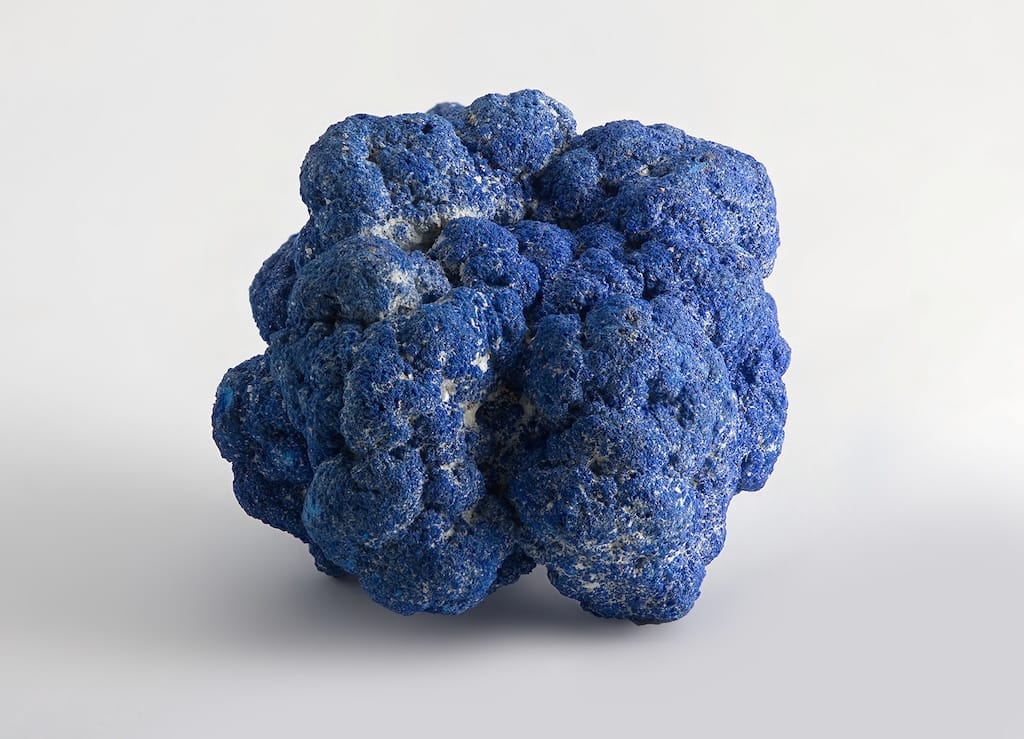
One substitute was azurite, another naturally occurring blue mineral. Although attractive, azurite often appeared greener than ultramarine and could gradually change colour over time. It lacked the remarkable depth and permanence that made ultramarine so desirable.
Smalt, produced from ground cobalt glass, offered another option. It was less expensive but generally less vibrant and more susceptible to fading.
Painters constantly balanced artistic ambition against financial reality. Choosing a blue pigment was often as much an economic decision as an aesthetic one.
The Invention That Changed Everything
Everything changed during the nineteenth century.
In 1824, the French government offered a substantial prize for anyone who could produce a synthetic version of ultramarine that matched the natural pigment while costing far less.
Several researchers worked on the problem, but it was the French chemist Jean-Baptiste Guimet who successfully developed a practical manufacturing process in 1826. Around the same time, German chemist Christian Gmelin independently reached a similar solution.
The resulting synthetic ultramarine closely resembled the natural pigment but could be manufactured on an industrial scale at only a fraction of the cost.
For artists, the consequences were revolutionary. A colour that had once been available only to kings, wealthy patrons and major churches became accessible to painters of modest means. Artistic choices were no longer constrained by the extraordinary price of blue.
The invention also transformed industries beyond fine art. Synthetic ultramarine soon appeared in textiles, paper, ceramics, plastics and even household products.
Why Natural Ultramarine Still Matters
Although synthetic ultramarine dominates modern production, natural ultramarine has never completely disappeared.
Some conservators and specialist artists continue to use pigment made from genuine lapis lazuli, particularly when restoring historic paintings or recreating traditional techniques. The natural pigment possesses subtle optical qualities that many experts believe differ slightly from its synthetic counterpart.
Today, producing genuine ultramarine remains an expensive and labour-intensive craft. The pigment serves as a reminder of an era when colour itself represented extraordinary wealth. Museum visitors standing before Renaissance masterpieces often admire the luminous blue robes without realising they are looking at one of the most expensive materials ever applied to a canvas or wall.