Jack White’s First Major UK Art Exhibition Opens at Newport Street Gallery
Jack White makes his public art debut with 'These Thoughts May Disappear' at Newport Street Gallery in London. Featuring sculpture, furniture, installations, and found-object assemblages, the exhibition reveals three decades of creative exploration beyond his celebrated musical career.

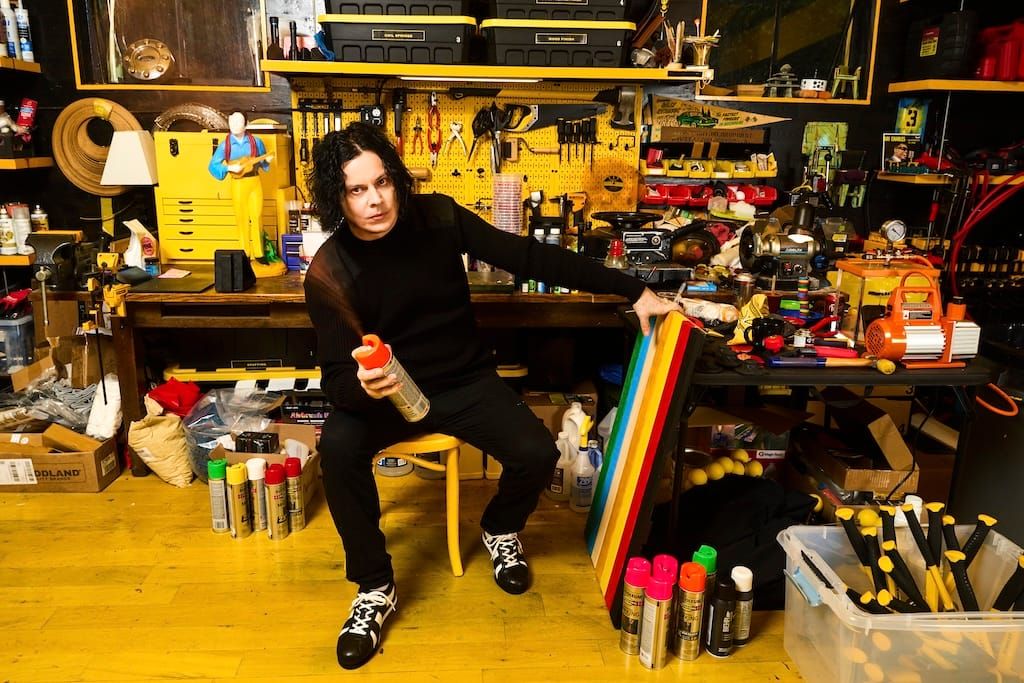
For more than thirty years, Jack White has been celebrated as one of the most inventive figures in contemporary music. As the driving force behind bands such as The White Stripes, a producer, songwriter, and founder of Third Man Records, White has built a reputation around craftsmanship, experimentation, and an unwavering commitment to creative independence.
Now, audiences in London have the opportunity to encounter another side of his artistic practice.
These Thoughts May Disappear, opening at Newport Street Gallery, marks the first public exhibition devoted to Jack White’s visual art. Running until 13 September 2026, the exhibition presents more than one hundred works created over the last three decades, revealing a deeply personal body of work that has largely remained out of public view.
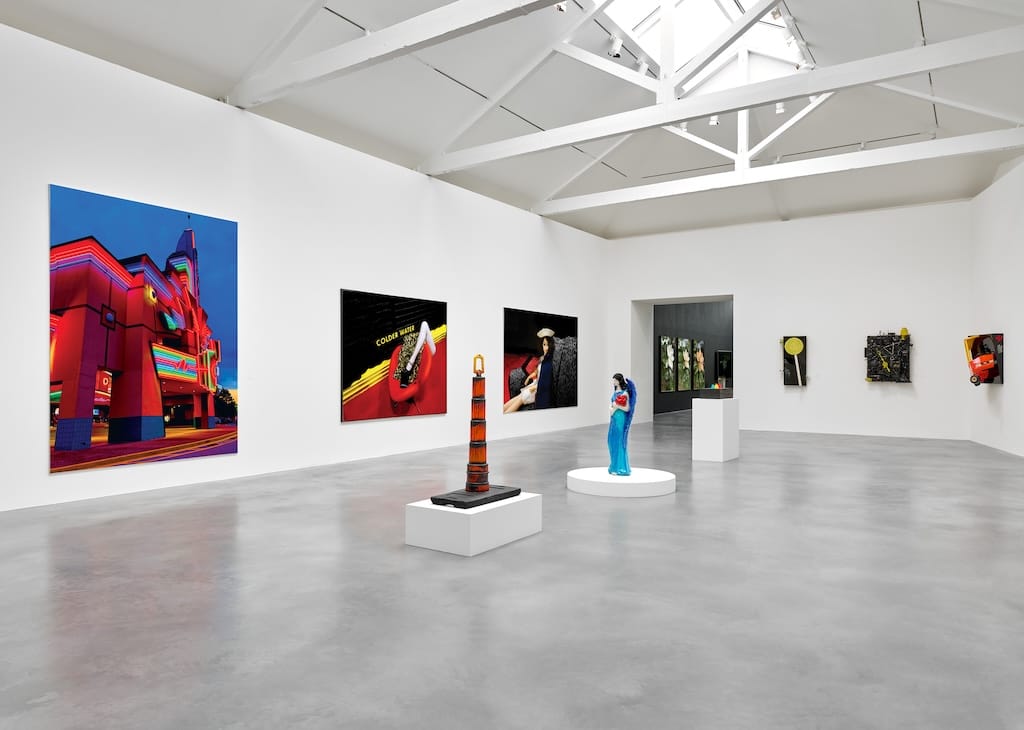
Spread across six galleries, the exhibition brings together sculpture, furniture design, installation, assemblage, and collaborative works, offering visitors an insight into an artistic practice that has developed alongside White’s celebrated musical career.
The Foundations of White’s Visual Language
Born in Detroit in 1975 and now based in Nashville, White's visual practice is rooted in the industrial and cultural landscape of his hometown. The influence of Detroit's Cass Corridor art movement, along with mid-century modern design, the Dada movement, and De Stijl aesthetics, can be found throughout the exhibition.
White often describes his approach as "hardware store art". Rather than carving or subtracting material, his sculptures are typically built through accumulation. Found objects, salvaged materials, epoxy, paint, wood, tools, and industrial components are assembled into new forms that retain traces of their previous lives.
This fascination with transformation is central to the exhibition. Ordinary objects become sculptures, discarded furniture becomes a vessel for storytelling, and utilitarian materials acquire unexpected poetic significance.
Resurrecting a Lost Sculpture
One of the exhibition's most striking centrepieces is The Red Tree, a monumental recreation of a work that originally stood in White's backyard.
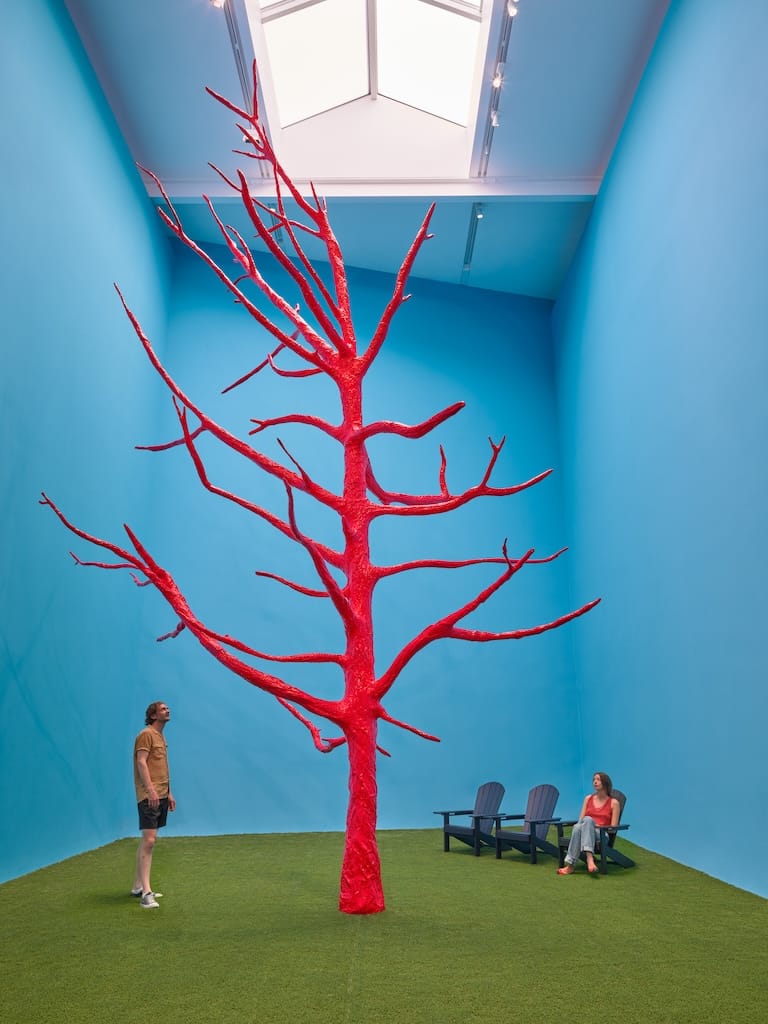
Years ago, White had a dead tree painted bright red by a longtime collaborator. What began as a spontaneous artistic gesture eventually ended when the tree deteriorated and collapsed. For These Thoughts May Disappear, the sculpture has been resurrected through contemporary technology, using photographs and advanced production methods to create a large-scale resin version of the original.
The work serves as a compelling meditation on memory, preservation, and artistic reinvention. It also highlights White's willingness to embrace collaboration, particularly in projects that move beyond the hand-built aesthetic associated with much of his work.
Furniture as Art
One of the most fascinating aspects of the exhibition is White's longstanding engagement with upholstery and furniture design.
Before achieving international fame as a musician, White worked professionally as an upholsterer. In 1996 he established Third Man Upholstery, a business whose distinctive visual identity already reflected many of the themes that continue to appear in his artistic work today.
Several furniture pieces in the exhibition blur the boundaries between design and sculpture.
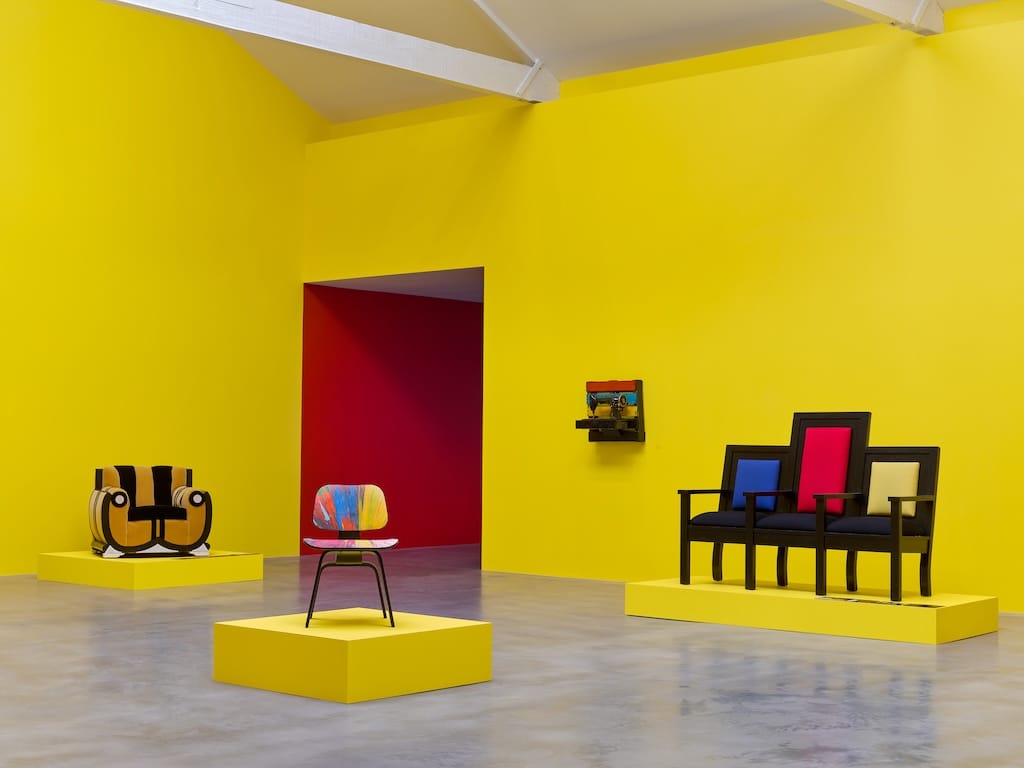
The Warrior Chair incorporates scent as part of its experience, releasing carefully curated aromas associated with baseball whenever someone sits on it. The piece combines craftsmanship, functionality, and conceptual art in a way that challenges conventional expectations of furniture.
Another highlight is Supernova, a collaboration with Damien Hirst. The work reimagines a classic Eames chair upholstered with leather that has been painted by Hirst. The result brings together White's passion for furniture restoration, modernist design, and artistic collaboration.
Elsewhere, works such as My Sonic Temple and The Triple 78 Chair reveal White's deep appreciation for material history. Every repair, alteration, and restoration becomes part of the object's narrative, transforming furniture into a record of memory and craftsmanship.
Found Objects and Everyday Poetry
Throughout the exhibition, White demonstrates a remarkable ability to discover meaning in discarded materials.
Works such as Frozen Charlotte/Frozen Charlatan and the Ukulele Joe series originate from damaged or overlooked objects found in thrift stores and salvage yards. Rather than concealing their origins, White emphasises them, allowing the history of each object to remain visible.
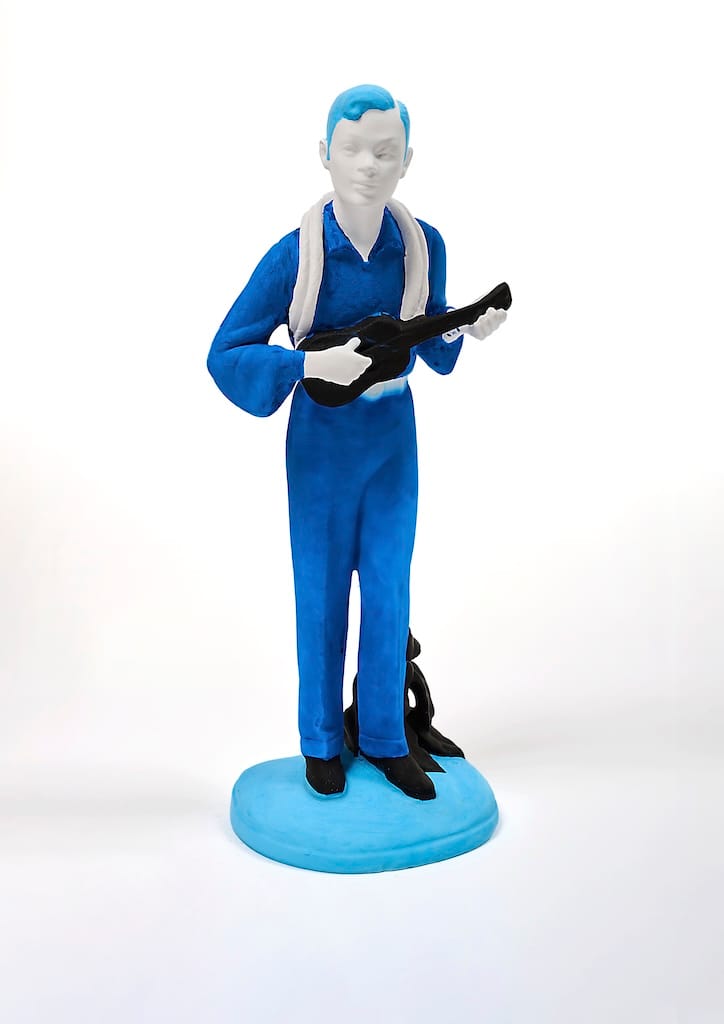
This approach reflects a broader artistic philosophy. White's sculptures do not seek perfection. Instead, they celebrate reuse, reinvention, and the creative possibilities hidden within everyday materials.
Humour also plays an important role. The fictional enterprise known as The Pallet Cleanse Corporation® imagines customised pallets designed for specific institutions, transforming one of the most mundane industrial objects into a vehicle for satire and commentary.
The Cass Corridor Legacy
A significant thread running through the exhibition is White's relationship with Detroit's Cass Corridor artists, particularly the late Gordon Newton.
Gallery six explores this connection through a series of amplifier works. In 2003, White commissioned Newton to physically deconstruct several amplifiers used during the career of The White Stripes. The resulting works combined painting, sculpture, and performance history.
For the Newport Street Gallery exhibition, White extends this collaborative spirit by inviting six contemporary artists to reinterpret versions of his signature amplifier design. The project underscores White's belief that creativity thrives through exchange and collaboration rather than isolation.
Art, Music, and the Third Man Universe
Although this exhibition marks White's first public art show, visitors familiar with his musical career may recognise many of the same themes.
Whether designing album packaging, developing recording equipment, creating interiors, or producing visual identities for Third Man Records, White has consistently treated art, design, and music as interconnected disciplines.
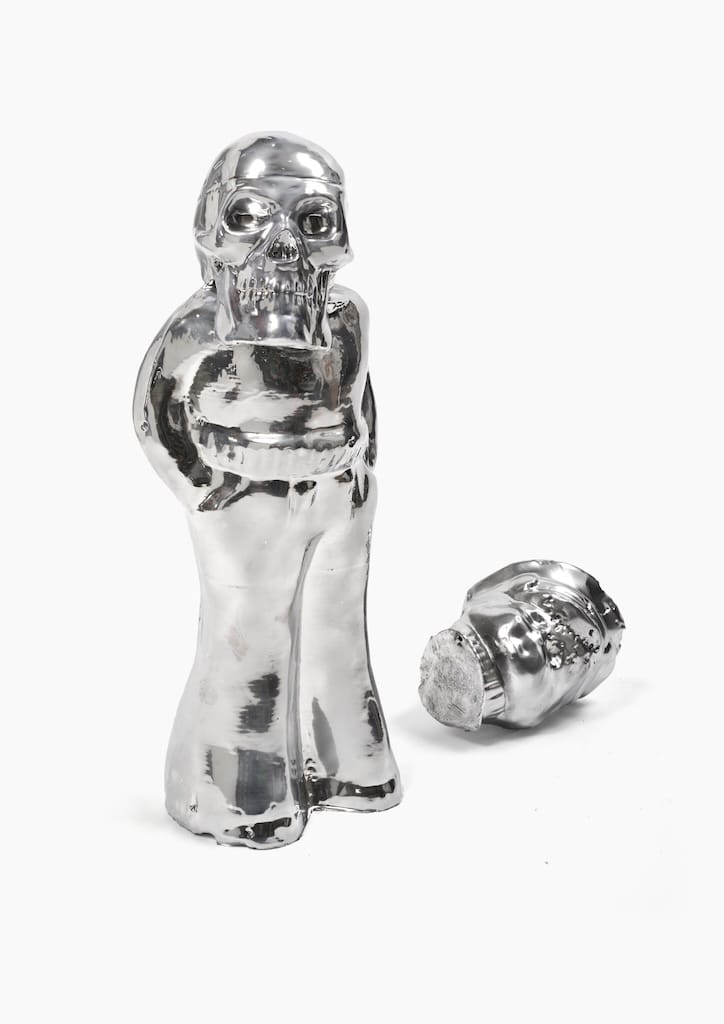
These Thoughts May Disappear demonstrates that these pursuits have never been separate. Instead, they form part of a larger creative ecosystem built around craftsmanship, experimentation, and a fascination with the transformation of everyday materials.
The exhibition reveals a body of work that feels remarkably cohesive despite spanning multiple decades and disciplines. It is neither a side project nor a celebrity art venture. Rather, it presents the visual expression of ideas that have been developing quietly alongside White's musical achievements for much of his life.