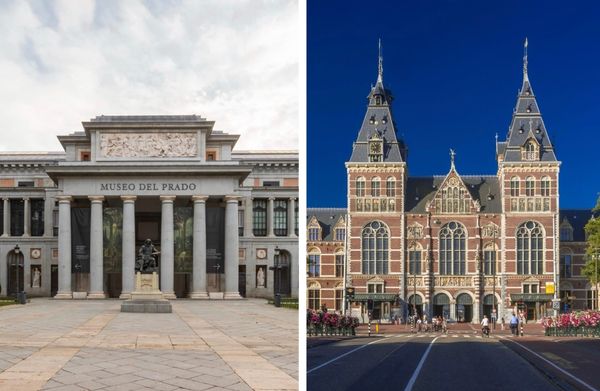
Rijksmuseum Explores Willem de Kooning's Creative Process in Major Exhibition
Marking 100 years since Willem de Kooning left the Netherlands, the Rijksmuseum presents its largest exhibition on the artist in over 40 years, bringing together more than 120 works that trace his lifelong commitment to drawing, experimentation and artistic reinvention.

Willem de Kooning returns to the Netherlands this autumn as the Rijksmuseum presents the largest European exhibition dedicated to the pioneering artist in more than four decades. Opening on 9 October 2026, Willem de Kooning at workmarks the centenary of the artist's departure from Rotterdam for New York, bringing together more than 120 works that explore the remarkable breadth of his career.
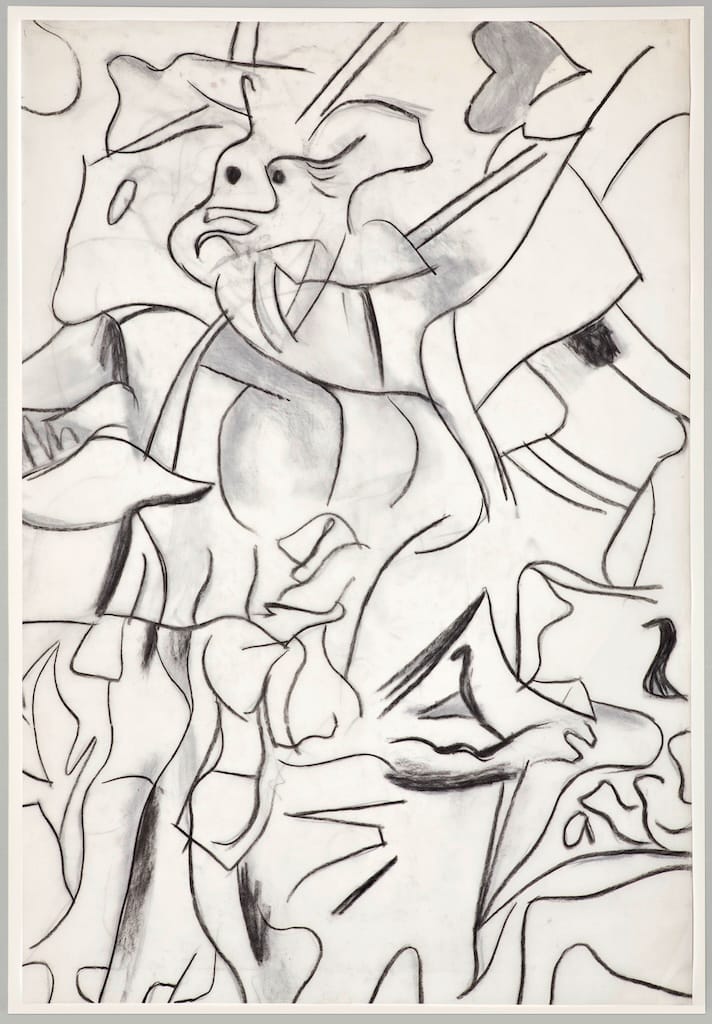
The exhibition is the first to place de Kooning's drawings at the centre of its narrative, highlighting a practice that remained fundamental to his artistic process for over 65 years. Rather than treating drawing as preparation for painting, the exhibition reveals it as the foundation of his creative thinking, offering visitors a rare opportunity to follow his continual experimentation, revision and reinvention.
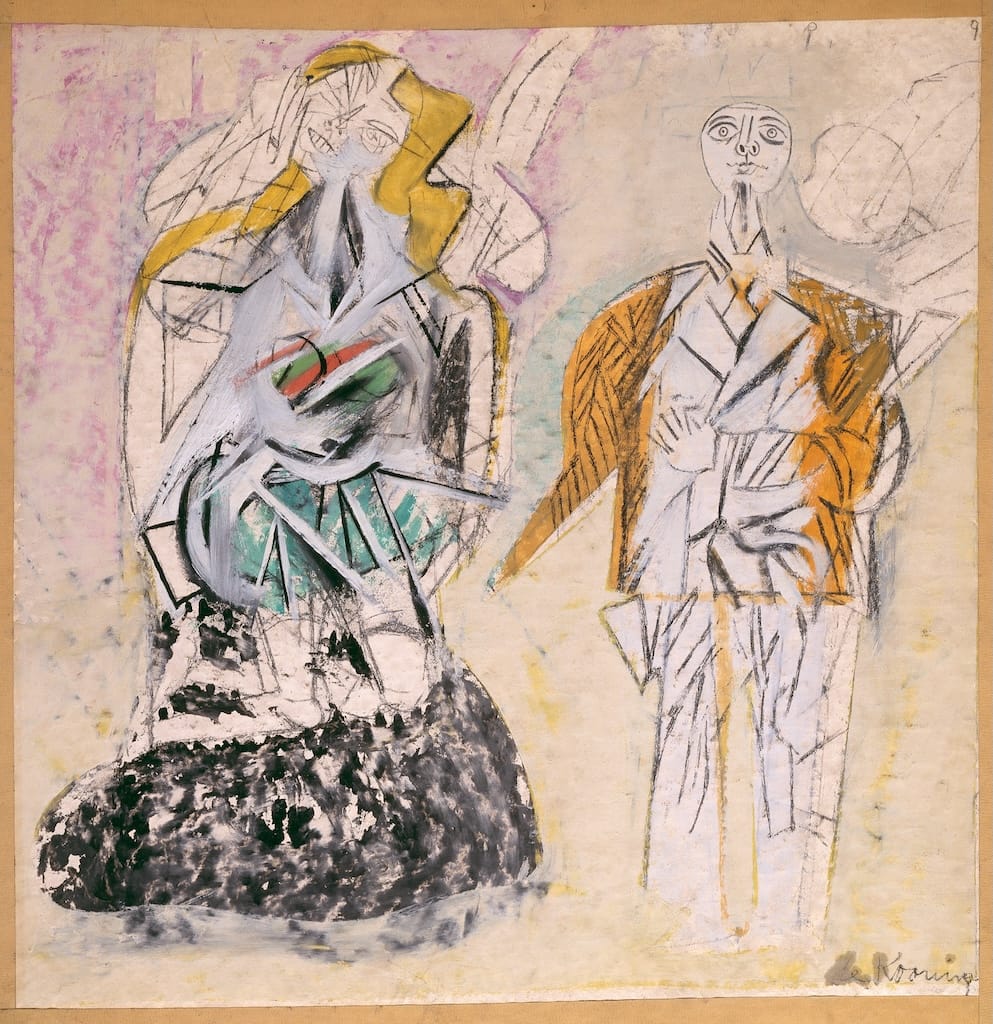
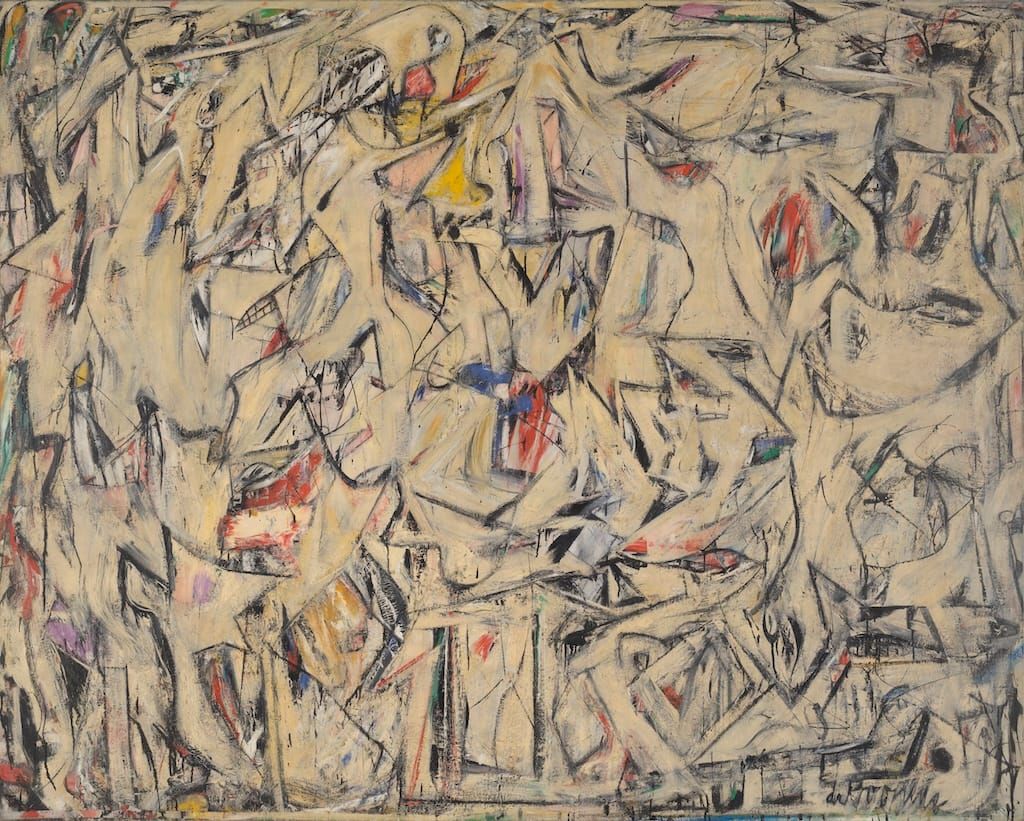
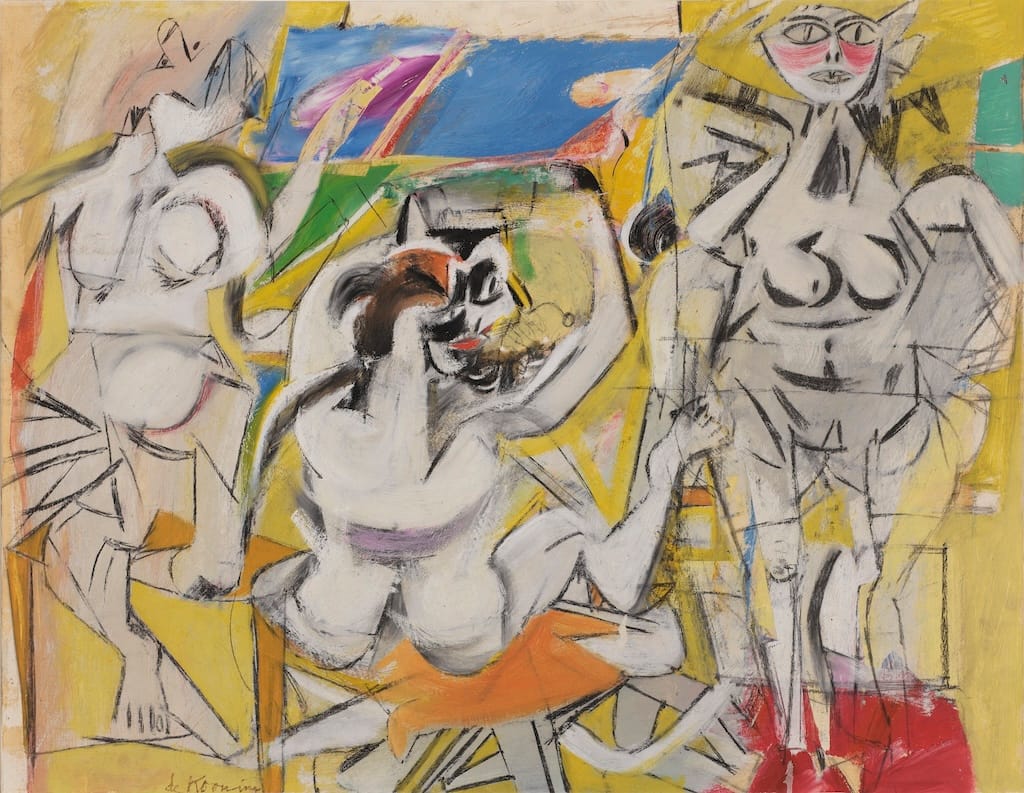
Alongside a substantial selection of drawings, the exhibition features celebrated paintings and sculptures drawn from major international museums and private collections. Works such as Excavation from the Art Institute of Chicago, Pink Angels from the Frederick R. Weisman Art Foundation, and Woman from Museum Ludwig appear alongside rarely exhibited drawings, illustrating the recurring themes of the human figure and landscape that shaped his work throughout his career.
In a notable addition to the exhibition, two of de Kooning's best-known paintings, Woman I and Woman and Bicycle, will be displayed in the Rijksmuseum's Gallery of Honour. Presented alongside masterpieces by Rembrandt and other Dutch masters, the installation recognises de Kooning's place within the broader history of Dutch art while celebrating his lasting influence on twentieth-century painting.
Born in Rotterdam in 1904, de Kooning studied at the city's Academy of Visual Arts and Technical Sciences before leaving for the United States in 1926 as a stowaway aboard a cargo ship. After working as a house painter, illustrator and shop-window designer in New York, he established himself as one of the leading figures of the New York School alongside artists including Jackson Pollock, Lee Krasner, Barnett Newman and Mark Rothko. Although frequently associated with Abstract Expressionism, de Kooning consistently resisted being confined to any single artistic movement.
Developed in collaboration with the Art Institute of Chicago and The Willem de Kooning Foundation in New York, the exhibition is accompanied by a catalogue presenting new research into the artist's drawings, alongside an introductory book published by the Rijksmuseum. Visitors can also take part in a programme of events including a modern art history masterclass, drawing workshops at the Rijksmuseum's Teekenschool and a dedicated audio tour.
The centenary celebrations extend beyond Amsterdam. Rotterdam's Fenix museum will present three monumental bronze sculptures by de Kooning on its waterfront from 18 July 2026, while students from HKU University of the Arts Utrecht have created poster designs inspired by the artist's words for display across Dutch cities during the summer. Meanwhile, students at the Willem de Kooning Academy in Rotterdam have been invited to reimagine the Rijksmuseum's canvas tote bag through an open design competition, with the winning entries to be sold in the museum shop during the exhibition.
Willem de Kooning at work will be on view at the Rijksmuseum, Amsterdam, from 9 October 2026 to 17 January 2027.