Why Installation Art Has Become Central to Contemporary Practice
Installation art has transformed contemporary practice by prioritizing experience, participation, and immersion. Discover why artists increasingly use large-scale environments, interactive technologies, and site-specific works to engage audiences and address the complexities of modern life.


Installation art has emerged as one of the defining forms of contemporary artistic expression. Once considered a niche practice that existed outside the mainstream gallery system, it has become a dominant presence in museums, biennials, public spaces, and commercial galleries around the world. From immersive environments that transform entire rooms to site-specific interventions that engage with architecture and history, installation art has fundamentally changed the way audiences experience art.
Today, some of the most influential artists working internationally are known for creating installations that blur the boundaries between sculpture, architecture, performance, sound, and digital media. The growing prominence of installation art raises an important question: why has this form become so central to contemporary practice?
The answer lies in its ability to respond to the changing nature of art, society, technology, and audience engagement.
What Is Installation Art?
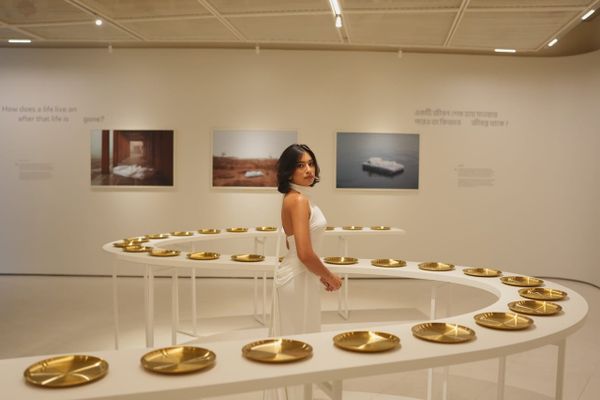
Installation art refers to artworks designed to transform a particular space and create an environment that viewers can physically experience. Unlike traditional paintings or sculptures that exist as individual objects, installations often encompass entire rooms, buildings, or outdoor locations.
The viewer becomes an active participant rather than a passive observer. Walking through, around, or within an installation is often essential to understanding the work.
Installation art can incorporate a wide range of materials and media, including sculpture, video, sound, light, found objects, textiles, performance, and digital technologies. Some installations are temporary and exist only for the duration of an exhibition, while others are permanent commissions created for specific sites.
Artists such as Yayoi Kusama, Olafur Eliasson, Ai Weiwei, and Anish Kapoor have helped popularize installation art by creating immersive experiences that attract both critical attention and large public audiences.
A Shift Away from the Traditional Art Object
One reason installation art has become so important is that it reflects a broader shift away from viewing art as a self-contained object.
For centuries, Western art focused largely on paintings and sculptures that could be displayed, collected, and transported relatively easily. Contemporary artists increasingly sought alternatives to these traditional formats, particularly during the second half of the twentieth century.
Movements such as Minimalism, Conceptual Art, Land Art, and Performance Art challenged conventional ideas about what art could be. Artists became interested in experiences, processes, and ideas rather than simply producing objects.
Installation art provided a way to expand artistic practice beyond the frame of a painting or the pedestal of a sculpture. The space itself became part of the artwork, allowing artists to engage audiences in new and often unexpected ways.
Creating Immersive Experiences
One of the greatest strengths of installation art is its capacity to create immersion.
Modern audiences are surrounded by visual information every day. Screens, advertisements, social media platforms, and digital content constantly compete for attention. Installation art offers something fundamentally different: a physical encounter that cannot be fully replicated through photographs or online viewing.
Visitors enter a space that has been transformed by the artist. Light, sound, texture, scale, and movement combine to create a multi-sensory experience that encourages deeper engagement.
The popularity of immersive exhibitions demonstrates the appeal of this approach. Visitors are often drawn to artworks that allow them to feel present within an environment rather than simply looking at an object from a distance.
This emphasis on experience aligns closely with contemporary culture, where participation and interaction are increasingly valued.
Responding to Complex Contemporary Issues
Installation art is particularly effective at addressing social, political, and environmental themes.
Because installations can occupy large spaces and incorporate multiple forms of media, they are well suited to exploring complex subjects that cannot easily be communicated through a single image.
Artists frequently use installations to examine issues such as migration, climate change, identity, memory, consumerism, surveillance, and historical trauma.
For example, large-scale installations may recreate environments associated with specific events or communities, allowing viewers to experience ideas in a more direct and emotional way. Sound, architecture, objects, and moving images can work together to create powerful narratives that encourage reflection and discussion.
As contemporary art increasingly engages with global issues, installation art provides a flexible framework for addressing these concerns.
The Influence of Architecture and Space
Contemporary artists are often interested in the relationship between art and its surroundings.
Installation art encourages artists to consider the architectural qualities of a site, including its history, scale, materials, and social context. Many installations are site-specific, meaning they are designed for a particular location and may lose part of their meaning if moved elsewhere.
This approach allows artists to create works that engage directly with their environment.
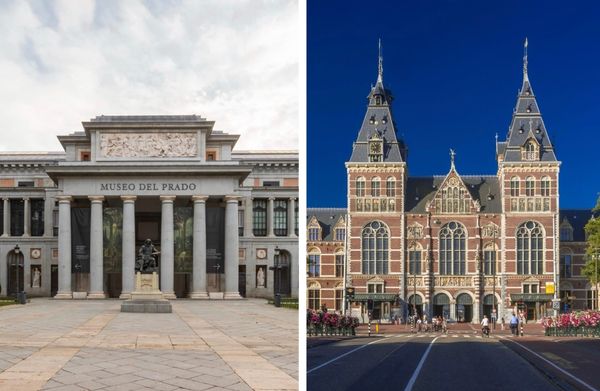
Museums and galleries have also adapted to accommodate these practices. Many contemporary institutions now dedicate large areas to installations that would have been difficult to exhibit in traditional gallery spaces. Industrial buildings, warehouses, former factories, and outdoor locations have become important venues for installation art because they offer artists greater freedom to experiment with scale and structure.
Technology Has Expanded Possibilities
Advances in technology have played a significant role in the rise of installation art.
Contemporary artists have access to tools that were unimaginable to previous generations. Digital projection, virtual reality, interactive sensors, artificial intelligence, advanced lighting systems, and sophisticated sound technologies have opened new creative possibilities.
These technologies allow installations to respond to viewers in real time, creating dynamic environments that change according to movement, sound, or participation.
Artists are increasingly combining physical materials with digital elements, resulting in hybrid experiences that challenge traditional distinctions between virtual and physical space.
As technology continues to evolve, installation art remains one of the most adaptable and innovative forms of contemporary practice.
Encouraging Audience Participation
Another factor behind the popularity of installation art is its emphasis on participation.
Many contemporary artists seek to break down the barrier between artwork and viewer. Instead of standing at a distance, audiences are invited to walk through spaces, interact with objects, contribute content, or influence the work's development.
This participatory approach reflects broader cultural shifts toward collaboration and engagement.
Viewers are no longer passive recipients of meaning. Their actions, movements, and interpretations often become part of the artwork itself.
This dynamic relationship can make installations particularly memorable, as each visitor experiences the work in a slightly different way.
Installation Art in the Age of Social Media
The rise of social media has also contributed to the visibility of installation art.
Large-scale installations often produce visually striking images that attract attention online. Immersive environments encourage visitors to photograph and share their experiences, extending the reach of exhibitions far beyond the gallery walls.
While some critics argue that social media can encourage superficial engagement, many artists have successfully used these platforms to introduce wider audiences to contemporary art.
Installation art's visual impact and experiential qualities make it particularly well suited to an era in which cultural experiences are frequently documented and shared digitally.
The Future of Contemporary Practice
Installation art continues to evolve as artists respond to new technologies, changing social conditions, and emerging cultural questions.
The form's flexibility allows it to absorb influences from sculpture, architecture, film, performance, design, and digital media. This adaptability helps explain why installation art remains at the forefront of contemporary practice.
Rather than replacing traditional forms such as painting or sculpture, installation art has expanded the possibilities of artistic expression. It encourages artists to think beyond individual objects and consider how space, environment, and audience interaction contribute to meaning.
As contemporary art becomes increasingly interdisciplinary, installation art offers a framework capable of accommodating diverse materials, ideas, and experiences.