India Pavilion Returns to Venice with ‘Geographies of Distance’
India returns to the Venice Biennale with 'Geographies of Distance: remembering home', a group exhibition curated by Amin Jaffer exploring memory, migration and belonging through five artists working with materials rooted in Indian traditions.

India is participating in the 61st International Art Exhibition of La Biennale di Venezia (9 May to 22 November 2026), presenting its pavilion exhibition Geographies of Distance: remembering home. Presented by the Ministry of Culture, Government of India, in partnership with the Nita Mukesh Ambani Cultural Centre (NMACC) and Serendipity Arts Foundation, the pavilion marks India’s return to Venice after its last appearance in 2019.
Framing the Exhibition
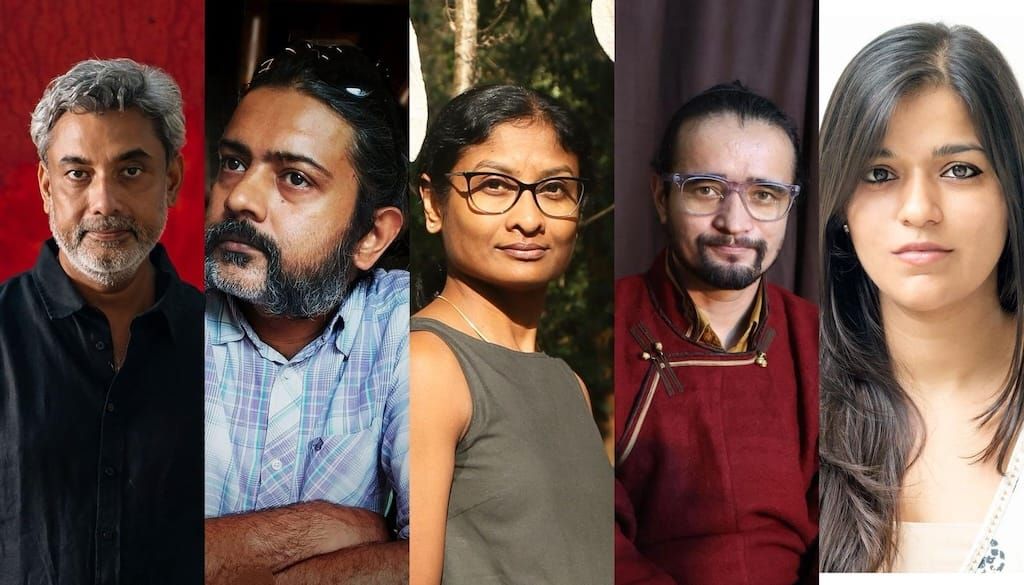
Curated by Amin Jaffer, the exhibition reflects India’s cultural depth at a moment of rapid transformation and global visibility. Geographies of Distance: remembering home brings together five artists, Alwar Balasubramaniam, Sumakshi Singh, Ranjani Shettar, Asim Waqif and Skarma Sonam Tashi, whose practices draw on material traditions spanning millennia to evoke emotional connections to the idea of home.
The exhibition explores how, amid migration and change, “home becomes less a fixed place and more a portable condition: part memory, part material, part ritual, part personal mythology.” It situates this inquiry within a nation undergoing accelerated urban growth and mobility, while remaining deeply connected to its cultural roots.
Material as Memory
Across the pavilion, ‘home’ appears “fractured, suspended, scaffolded, or vulnerable,” as the artists respond to themes of belonging, displacement and transformation. Despite diverse practices and geographies, all five artists employ organic materials rooted in Indian traditions, underscoring a shared engagement with memory, ecology and cultural continuity.
In Minor Keys
The project is conceived in response to the Biennale’s theme In Minor Keys, developed by the late curator Koyo Kouoh. Extending beyond the gallery space, the India Pavilion will also feature a curated programme of music, performance, poetry and conversation, activating Venice through subtle, ephemeral interventions.
A Collective Institutional Voice
“India’s return to La Biennale di Venezia is a proud moment of reflection and a statement of cultural confidence,” said Gajendra Singh Shekhawat, Union Minister of Culture and Tourism. “Our national pavilion will showcase a contemporary India that is deeply rooted in its civilisational memory while fully engaged with the world today. Through this pavilion, India affirms the strength of our cultural diversity, the vitality of our creative communities, and the role of art and culture in contributing to how our nation is seen and understood on the global stage.”
Vivek Aggarwal, Secretary of the Ministry of Culture, added: “The India Pavilion brings together artists whose practices reflect the evolving realities of contemporary India. Working across regions and material traditions, these artists articulate India’s global voice through deeply personal and innovative forms of expression. Their work demonstrates how India’s creative talent continues to engage meaningfully with questions of memory, place and transformation in a changing world.”
Speaking on behalf of NMACC, Isha Ambani said: “The Nita Mukesh Ambani Cultural Centre is pleased to partner with the Ministry of Culture to present the National Pavilion of India at La Biennale di Venezia, featuring some of our most compelling artistic voices. The richness and plurality of their work reflect the complexities and creative ambition of contemporary India, while celebrating the timeless traditions of our country. This project underscores our vision for art and culture to foster a global dialogue that transcends boundaries, bringing the best of India and the world together.”
Sunil Kant Munjal, Founder Patron of Serendipity Arts, emphasised the interdisciplinary dimension of the project: “Serendipity Arts creates platforms for living, shared and dynamic artistic practice. The India Pavilion at La Biennale di Venezia extends this philosophy onto a global stage. Alongside the visual arts programme, our involvement will activate the Pavilion through performance and participation, inviting audiences to engage with the ideas of memory, place and belonging in multiple forms. This collaboration reflects Serendipity’s belief that India’s cultural expression is most powerful when it is interdisciplinary and open to dialogue.”
The Curator’s Perspective
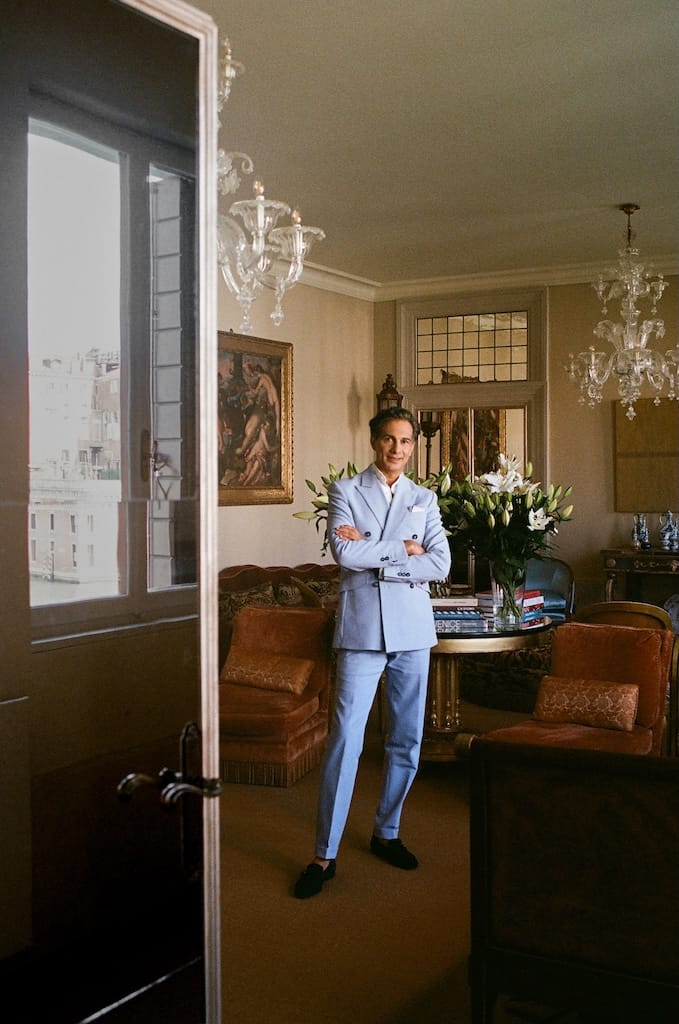
Curator Amin Jaffer elaborated on the exhibition’s conceptual framework: “The 61st International Art Exhibition, themed ‘In Minor Keys’, offers a poignant opportunity to explore the nuances of distance and the enduring power of memories of home. The India Pavilion brings together artists whose practices reflect the experience of a world in constant change. The pavilion explores home not as a fixed physical location, but as an emotional space carried within the self, a repository of culture, personal mythology and emotion. Using materials associated closely with Indian civilisation, the chosen artists create a singular meditation on the fragile nature of home, which is both personal and universal, quiet and resolute. Through this work, our artists come together to form a collective Indian voice that resonates with Koyo Kouoh's vision for this Biennale.”
A Quiet Assertion
With Geographies of Distance: remembering home, the India Pavilion positions itself as a reflective and resonant presence at Venice, foregrounding intimacy over spectacle and memory over monumentality, while contributing to a broader global dialogue on identity, belonging and transformation.