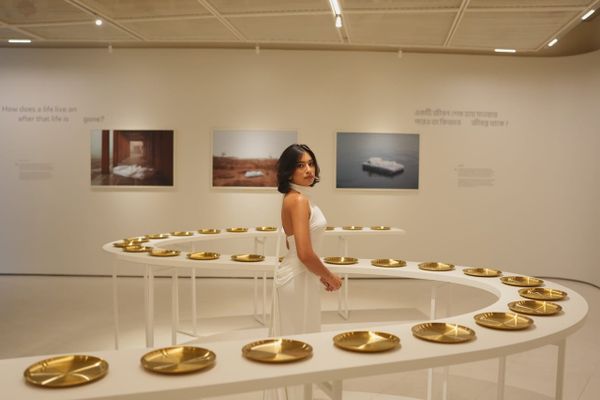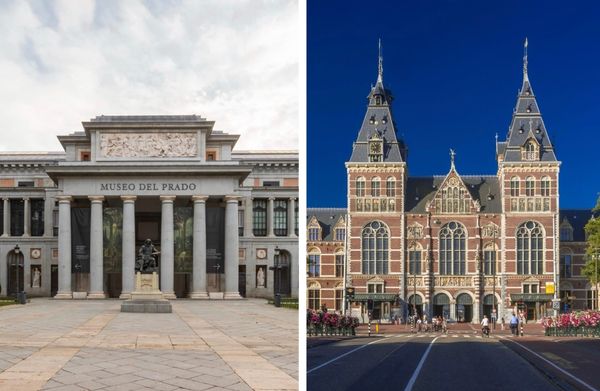
Art History Careers Beyond Museum Curator: 10 Surprising Options
An art history degree can lead far beyond museums and galleries. From luxury branding and film consulting to digital media and UX research, this article explores ten unexpected career paths where art historians are building creative, modern, and rewarding careers.


For many people, studying art history immediately brings one career path to mind: becoming a museum curator. While curatorial work remains one of the most visible professions in the field, it is far from the only option available to art history graduates.
In reality, an art history degree develops a surprisingly broad set of skills. Students learn visual analysis, research, writing, critical thinking, cultural interpretation, communication, and historical understanding. These abilities are valuable across many industries, including media, technology, education, publishing, luxury retail, and the art market.
As the creative economy continues to grow, art history graduates are discovering career opportunities that extend well beyond museum walls. Here are ten surprising and rewarding career paths for people with a background in art history.
1. Art Consultant
Art consultants help individuals, corporations, hotels, developers, and public institutions select artwork for their spaces. This role combines creativity with business strategy and often involves sourcing, budgeting, installation planning, and artist relations.
Luxury hotels, corporate offices, restaurants, and real estate developments increasingly use curated art collections to strengthen brand identity and create memorable environments.
An art history background is valuable because consultants need strong visual judgment and knowledge of artistic styles, periods, and cultural trends.
Many art consultants work independently, while others join galleries, design firms, or hospitality companies.
2. Auction House Specialist
Major auction houses rely heavily on art historians to research, evaluate, catalog, and authenticate artworks.
Professionals in this field may specialize in areas such as:
- Contemporary art
- Old Masters
- Asian art
- Decorative arts
- Rare books
- Jewelry
- Photography
Auction specialists work closely with collectors, museums, and dealers while preparing works for high-profile sales.
This career combines scholarship with market expertise and can be especially exciting for those interested in the financial side of the art world.
Strong research and writing skills are essential because auction catalogs often require detailed historical analysis and provenance research.
3. Art Journalist or Critic
Art history graduates often excel in journalism because they are trained to analyze visual culture and communicate ideas clearly.
Art journalists may write for:
- Magazines
- Newspapers
- Online publications
- Gallery platforms
- Cultural websites
- Independent blogs
Critics review exhibitions, analyze artistic movements, interview artists, and explore cultural debates shaping the contemporary art world.
As digital publishing expands, there are more opportunities for freelance writers, podcast hosts, video essay creators, and newsletter publishers focused on art and culture.
For students passionate about storytelling and visual analysis, this can be a highly rewarding path.
4. Gallery Manager
Commercial galleries require professionals who understand both art and business.
Gallery managers often oversee:
- Exhibitions
- Sales
- Artist relationships
- Client communication
- Marketing
- Social media
- Event planning
Unlike museum environments, galleries operate within the commercial art market, meaning communication and networking skills are especially important.
An art history background helps professionals speak confidently about artworks while building trust with collectors and buyers.
This role is ideal for individuals who enjoy fast-paced creative environments and direct interaction with artists.
5. Cultural Heritage Manager
Cultural heritage professionals help preserve historic sites, monuments, archives, and cultural traditions.
This career can involve working with:
- Government organizations
- UNESCO projects
- Historic preservation agencies
- Archaeological programs
- Heritage tourism initiatives
Art historians bring valuable expertise in historical context, conservation ethics, and cultural interpretation.
As heritage tourism grows worldwide, there is increasing demand for professionals who can balance preservation with public engagement.
This field is especially meaningful for people interested in protecting cultural identity and historical memory.
6. UX and Visual Research Specialist
One of the least expected career paths for art history graduates is user experience research and visual design strategy.
Art historians are trained to analyze how people interpret images, symbols, spatial arrangements, and visual communication. These skills can transfer surprisingly well into technology and digital product design.
Some companies hire humanities graduates to assist with:
- Visual storytelling
- Interface analysis
- Consumer perception research
- Brand aesthetics
- Design strategy
While additional technical training may be helpful, many art history graduates successfully transition into creative technology industries because of their analytical and visual thinking abilities.
7. Art Librarian or Archivist
Art libraries and archives preserve critical records related to artists, exhibitions, collectors, and institutions.
Archivists organize and maintain materials such as:
- Photographs
- Exhibition catalogs
- Manuscripts
- Correspondence
- Sketchbooks
- Digital collections
This role is ideal for detail-oriented individuals who enjoy research and historical preservation.
Universities, museums, foundations, and research institutions often employ professionals with specialized knowledge of art history and archival systems.
As more collections are digitized, digital archiving skills are becoming increasingly valuable.
8. Film and Television Research Consultant
Film studios, streaming platforms, and television productions frequently hire historical consultants to ensure visual accuracy.
Art historians may assist with:
- Period authenticity
- Costume references
- Architectural research
- Historical objects
- Cultural symbolism
- Set design inspiration
Historical dramas, documentaries, and biographical films especially rely on experts who understand artistic and cultural contexts.
This career allows art historians to contribute directly to visual storytelling in entertainment media.
For those passionate about cinema and history, it can be a fascinating blend of scholarship and creativity.
9. Luxury Brand Specialist
Luxury brands increasingly draw inspiration from art history, museum culture, and heritage storytelling.
Fashion houses, jewelry companies, and luxury retailers often employ professionals who can connect products with cultural narratives and artistic traditions.
Art history graduates may work in:
- Brand storytelling
- Exhibition partnerships
- Creative marketing
- Heritage communication
- VIP cultural events
Many luxury brands collaborate with artists and museums to strengthen their identity and prestige. Professionals with art historical knowledge can help shape these collaborations authentically.
This path combines creativity, marketing, and cultural expertise in a highly global industry.
10. Independent Content Creator
The digital age has created entirely new opportunities for art history graduates.
Today, art historians can build careers through:
- YouTube channels
- Podcasts
- TikTok content
- Newsletters
- Online courses
- Independent publications
- Educational platforms
Audiences around the world are increasingly interested in accessible cultural education. Creators who explain art movements, artists, museums, and historical themes in engaging ways can build large followings online.
This path offers creative freedom and entrepreneurial potential, although it often requires patience and consistent content production.
For those who enjoy teaching and communication, it can become both intellectually fulfilling and financially sustainable.
Why Art History Skills Matter More Than Ever
Many students worry that art history degrees are impractical in today’s economy. In reality, employers increasingly value creative and analytical thinkers who can interpret culture, communicate clearly, and understand visual media.
Art history students develop skills in:
- Critical analysis
- Research
- Writing
- Public speaking
- Cultural awareness
- Visual literacy
- Interpretation
- Project management
These abilities are highly transferable across creative industries, media, education, business, and technology.
In an increasingly image-driven digital world, understanding visual communication has become more valuable than many people realize.
Final Thoughts
Museum curatorship is only one small part of the professional landscape available to art history graduates. From technology and journalism to luxury branding and film production, art historians are finding opportunities in industries that value creativity, cultural understanding, and visual intelligence.
The modern art world is evolving rapidly, and so are the careers connected to it. For students and graduates wondering what comes next after an art history degree, the answer is broader and more exciting than ever before.