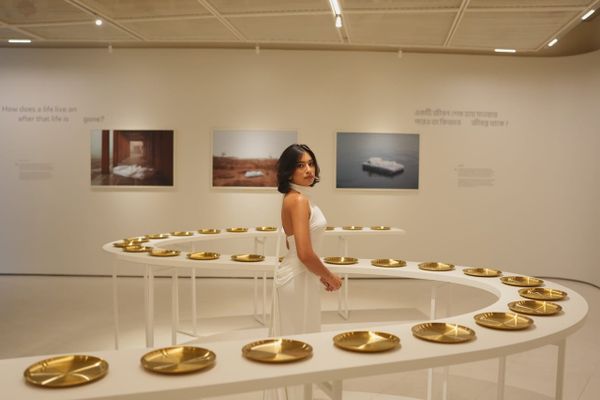
RMA Architects in Focus at TARQ
'Contextures: RMA and The Practice of Embedded Architecture' at TARQ examines six institutional projects by RMA Architects through drawings, models and photographs, exploring how architecture shapes museums, universities and public life across contemporary India.

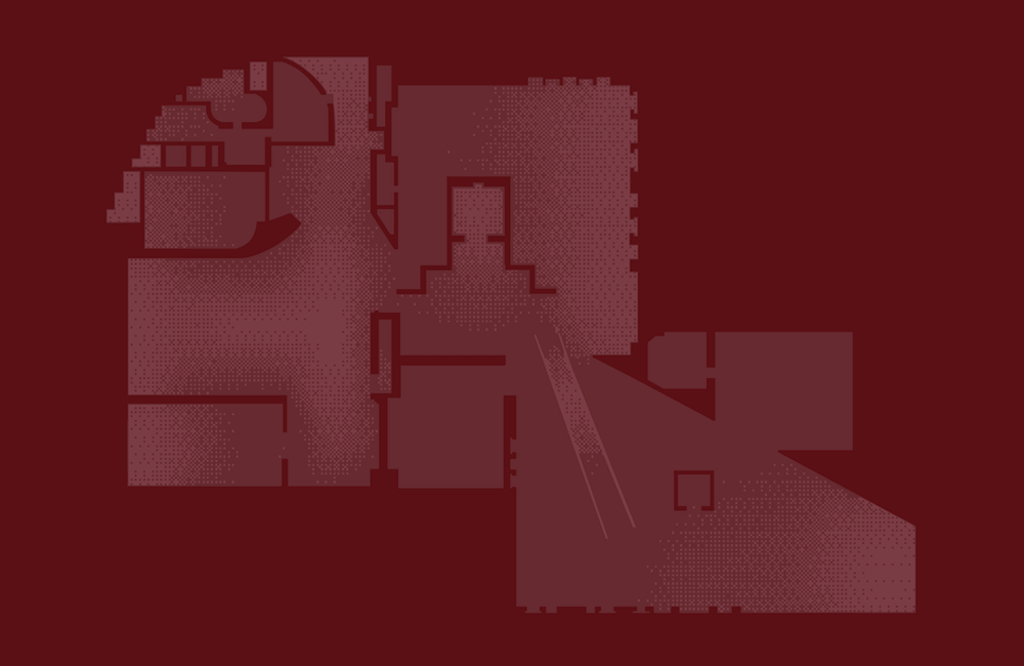
Mumbai's TARQ will present Contextures: RMA and The Practice of Embedded Architecture from 15 July to 21 August 2026, an exhibition examining the work of RMA Architects and the practice's contribution to India's evolving institutional landscape. Curated by poet, critic and cultural theorist Ranjit Hoskote, the exhibition focuses on six significant projects by architect and urban designer Rahul Mehrotra and his practice, bringing together drawings, plans, photographs and architectural models to explore the relationship between architecture, public institutions and cultural life.
Supported by the Thackersey Foundation and the Architecture Foundation, the exhibition has been conceptualised and designed by Zeenat Kulavoor of Bombay Duck Designs, with production design by Nynika Jhaveri of Studio Nyn. Archival support has been provided by the Architecture Foundation.
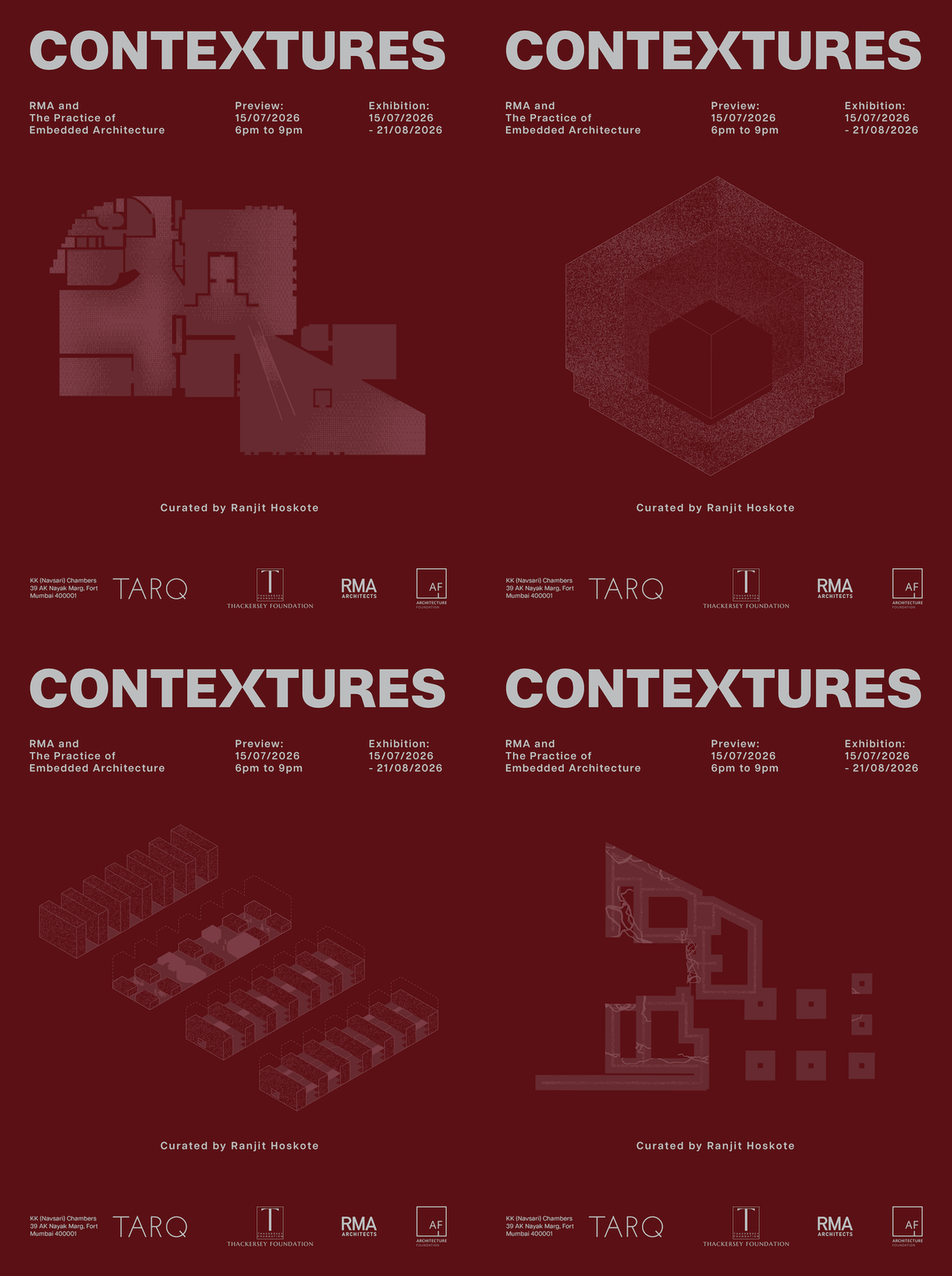
The exhibition is organised around two strands of RMA Architects' institutional work. The first examines three museum commissions: the Chhatrapati Shivaji Maharaj Vastu Sangrahalaya estate in Mumbai, including the East Wing insertion, the Visitors Centre and the Children's Museum; the Kasturbhai Lalbhai Museum in Ahmedabad; and the Zirad Art & Heritage Foundation in Alibaug. Together, these projects demonstrate how museums can balance conservation, accessibility and contemporary public engagement.
The second strand highlights three educational buildings situated within university campuses: the School of Arts and Sciences at Ahmedabad University, the Lilavati Lalbhai Library at CEPT University in Ahmedabad, and the JSW School of Public Policy at the Indian Institute of Management Ahmedabad. These projects reflect RMA's continuing engagement with learning environments and illustrate how architecture can support education, research and collaboration.
Collectively, the six projects demonstrate RMA Architects' sustained relationship with public institutions and its contribution to education, cultural production and civic life. Since establishing the practice in Mumbai in 1990, Rahul Mehrotra has expanded the role of the architect beyond the design of buildings to include scholarship, conservation, advocacy, teaching, curatorial work and public discourse.
Rather than presenting architecture solely through finished buildings, Contextures examines the thinking and processes behind each project. The exhibition highlights RMA's approach to responding sensitively to the history, ecology and social function of every site. Themes such as soft thresholds, environmental responsibility, reversible interventions and dialogue with historical contexts emerge throughout the display, revealing an architectural philosophy rooted in place while remaining open to future possibilities.
The exhibition also considers how institutional architecture shapes public experience. By presenting technical material in an accessible format, it offers visitors insight into the design decisions that influence how museums, libraries and educational spaces are experienced and understood.
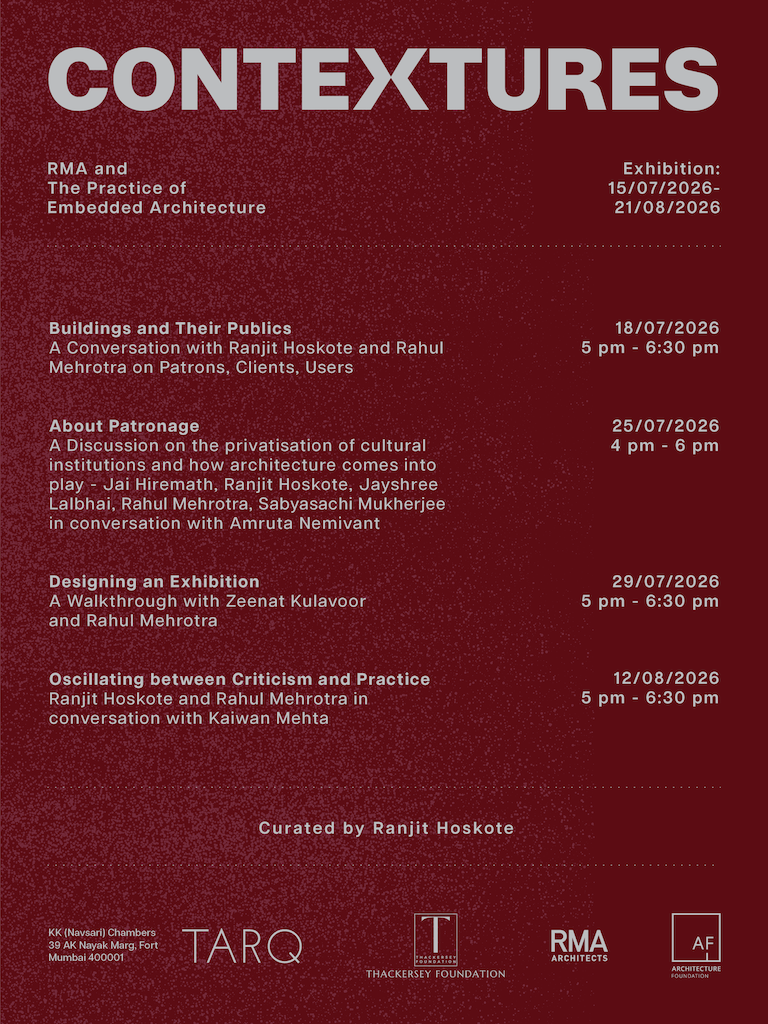
Alongside the exhibition, TARQ will present Contextures: Event Programming from 18 July to 12 August 2026, a series of public walkthroughs and panel discussions expanding on the exhibition's central ideas. Architects, critics, curators and patrons will discuss the collaborative processes behind institutional architecture, the role of philanthropy in supporting cultural infrastructure, the challenges of presenting architecture within exhibitions and the relationship between architectural criticism and practice. These conversations aim to connect the featured projects with wider debates surrounding public institutions and the built environment.
The exhibition is further supported by the work of the Thackersey Foundation, which promotes art, culture, education, women's empowerment and animal welfare through partnerships with cultural organisations. The Architecture Foundation, a Mumbai-based organisation dedicated to promoting public understanding of architecture and urbanisation in India, also contributes to the project through its ongoing archival initiatives, including the RMA Archives.
Contextures: RMA and The Practice of Embedded Architecture offers visitors an opportunity to engage with architecture not simply as a collection of buildings but as a discipline that shapes institutions, communities and public life. Through archival material, design documentation and public programming, the exhibition presents a comprehensive look at RMA Architects' continuing influence on India's architectural and cultural landscape.