Rijksmuseum Receives Rare Drawing Book by 17th-Century Dutch Artist Rombout Uylenburgh
The Rijksmuseum has received the rare Van Eeghen Drawing Book, a remarkable collection of 17th-century drawings attributed to Dutch artist Rombout Uylenburgh. Preserved by one family for centuries, it offers new insight into a largely forgotten artist.

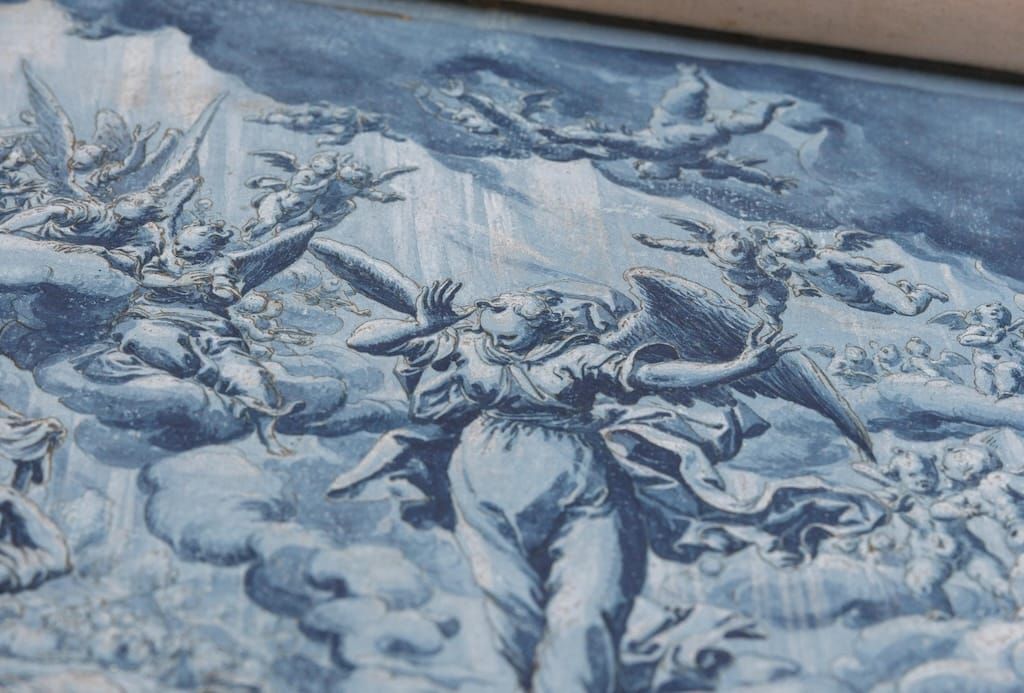
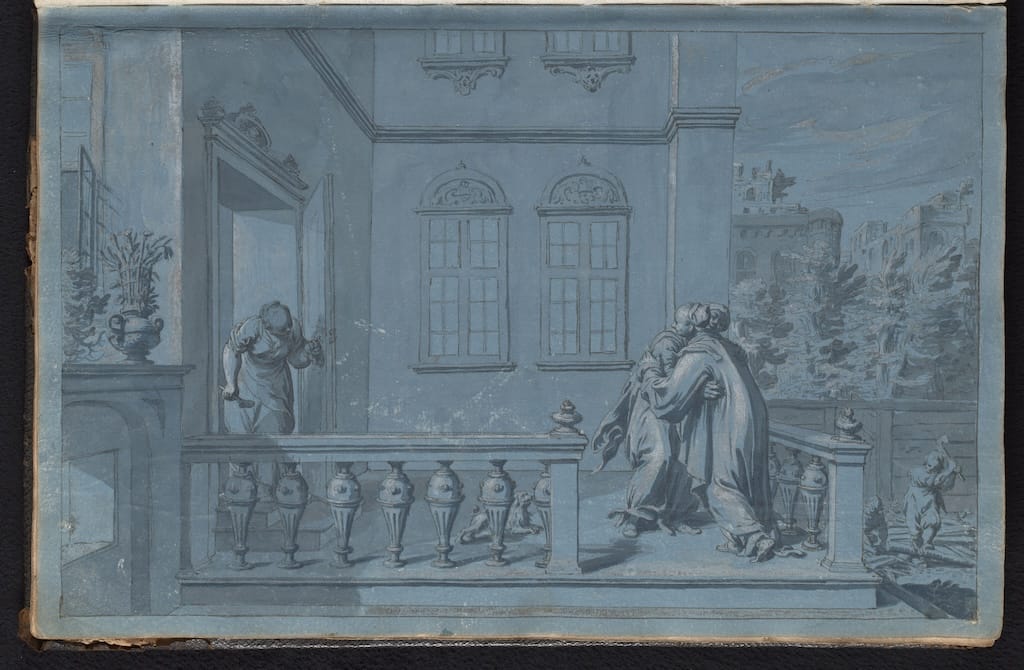
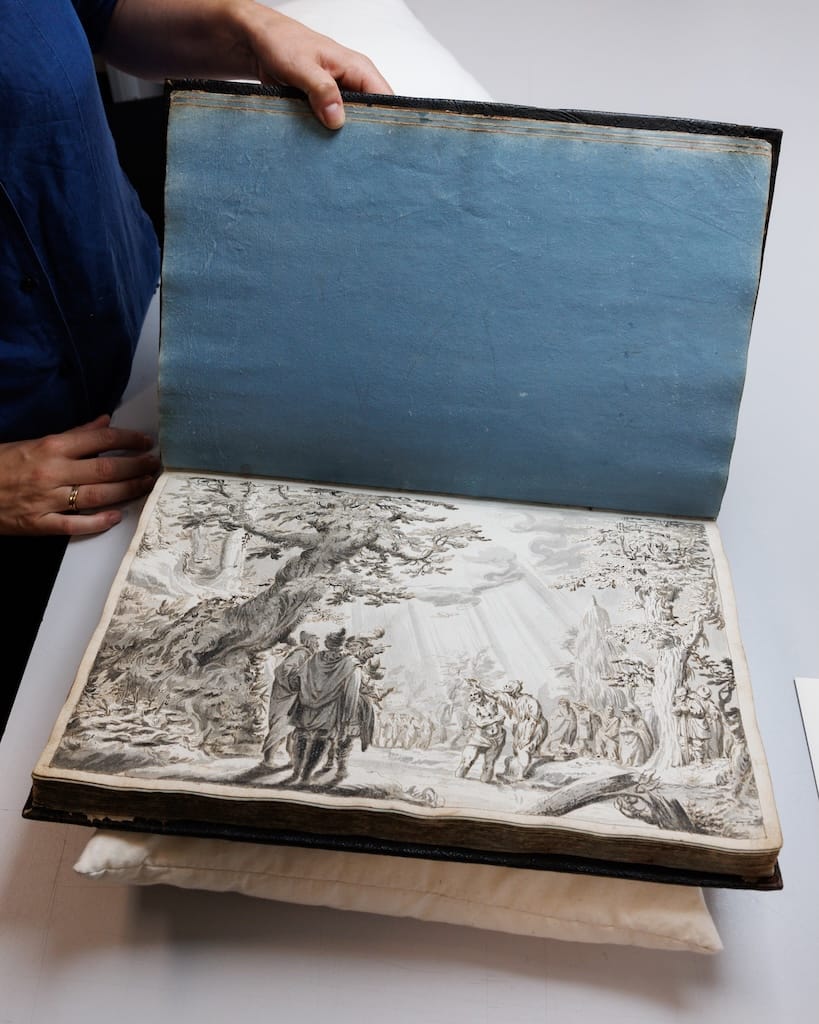
The Rijksmuseum has received an exceptionally rare early 17th-century drawing book donated by the Van Eeghen family, which had preserved it for more than three centuries. The Van Eeghen Drawing Book contains around 30 drawings, including a remarkable series of biblical scenes attributed to Dutch artist Rombout Uylenburgh and his workshop.
The book is an especially significant addition to the Rijksmuseum’s Print Room Collection, as it brings together a substantial part of the small surviving body of work by an artist who was celebrated during his lifetime but later fell into obscurity. The drawing book is on display at the Rijksmuseum from 19 August 2026.
“The Van Eeghen Drawing Book is a highlight of Dutch draughtsmanship,” says Taco Dibbits, General Director of the Rijksmuseum. “The donation enables the Rijksmuseum to introduce everyone to Rombout Uylenburgh, a fascinating artist of whom very little work has survived. We are extremely grateful to the Van Eeghen family for this generous gift, which is in keeping with a long-standing family tradition.”
A rare survival
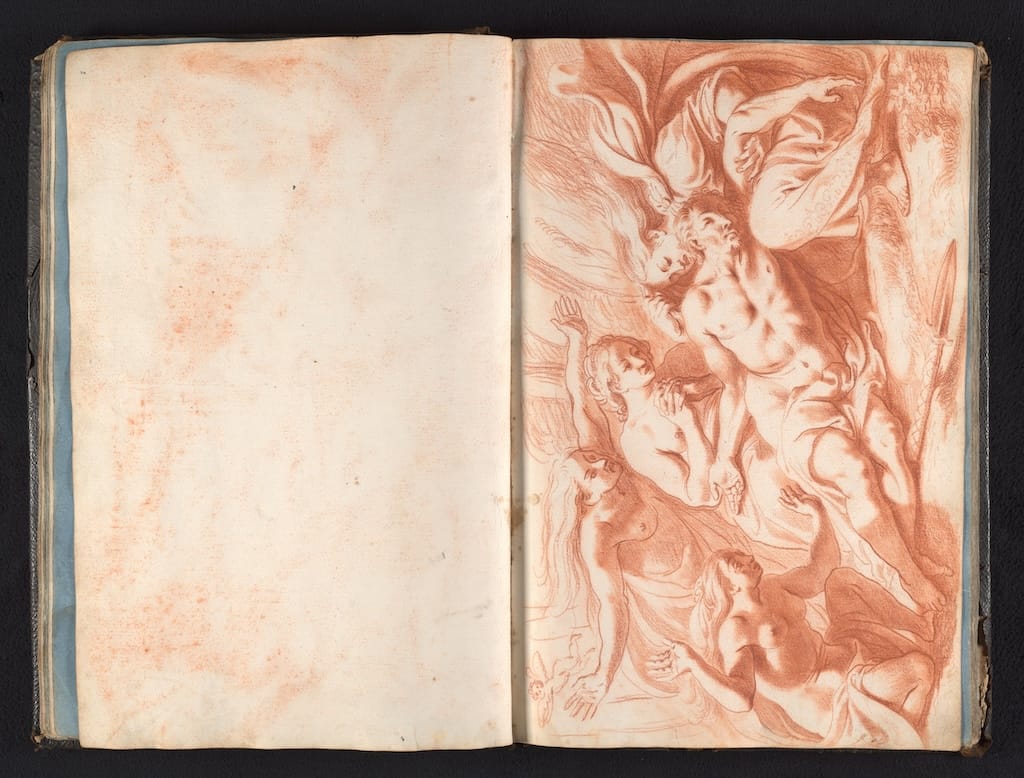
The Van Eeghen Drawing Book contains approximately 30 drawings, including beautifully executed full-page biblical scenes attributed to Uylenburgh and his workshop. The drawings are notable for their drama, emotion and highly accomplished technique, with some executed on blue paper.
Their condition is particularly remarkable. Having been exposed to very little light over the centuries, the drawings retain colours that are almost as striking as they would have been when they were made around 400 years ago. It is exceptionally unusual for a 17th-century drawing book to have survived in such a complete and well-preserved state.
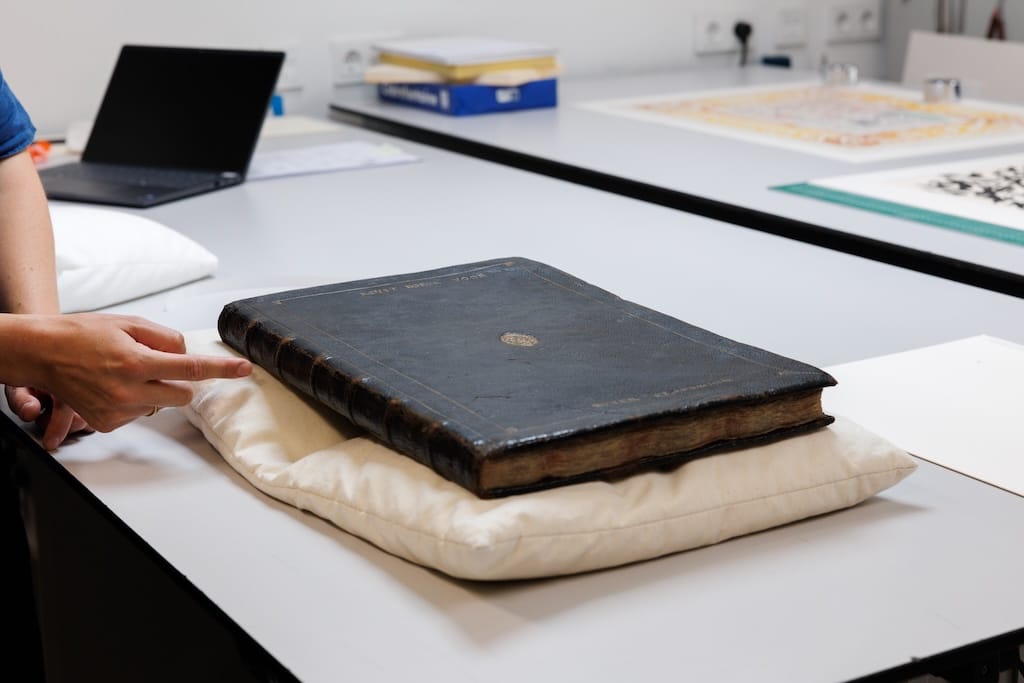
The words Konstboeck voor Reyer Claessoon, meaning ‘Art book for Reyer Claessoon’, appear in gold lettering on the binding. Reyer Claessoon was a merchant from Enkhuizen who, like many Dutch merchants of the period, settled in Danzig, present-day Gdańsk, an important Baltic port.
Claessoon probably knew Uylenburgh, as both were members of the Mennonite faith. The same religious connection also links the drawing book to the Van Eeghen family, who acquired it more than three centuries ago and passed it down through successive generations. The book had been shown publicly only once before, in 1935.
Rediscovering Rombout Uylenburgh
Rombout Uylenburgh was born in Leeuwarden in the northern Netherlands around 1580 to 1585. As a young man, he moved with his family to Kraków, where the Polish king Sigismund III held court. Uylenburgh established himself as a court painter, while his brother Hendrick entered the king’s service as a commercial agent and acquired paintings for the royal collections.
In 1612, Rombout settled in Danzig, where a Dutch community had established itself. He continued to develop a successful career and became particularly associated with grisailles, paintings executed almost entirely in shades of grey.
Although Uylenburgh was an established artist in his own time, very few works by him have survived. Following his death in Danzig in 1627 or 1628, his reputation gradually faded.
His family, however, would become increasingly prominent in the history of Dutch art. Hendrick eventually returned to the Netherlands and settled in Amsterdam, where he became an important art dealer. He is also closely associated with Rembrandt, who married Hendrick’s cousin Saskia van Uylenburgh in 1634.
The discovery of the drawing book’s connection
For many years, the artists responsible for the drawings in the book remained unknown. The connection with Rombout Uylenburgh emerged when C.P. van Eeghen, a previous owner of the book, noticed similarities between one of its drawings and a sheet by Uylenburgh already held in the Rijksmuseum collection.
The attribution was first published in 2013 by Erik Löffler, then a curator at the Netherlands Institute for Art History (RKD). The research subsequently led to the discovery of a group of paintings by Uylenburgh in the collection of Museum Ons’ Lieve Heer op Solder in Amsterdam.
The donation now gives the Rijksmuseum an opportunity to undertake further research into the artist and his workshop. Only a small number of paintings and two drawings by Uylenburgh are currently known to have survived, one of the drawings being in the Rijksmuseum collection.
Thanks to a loan from the Rembrandt House Museum, an important selection of Uylenburgh’s surviving work has been brought together for the Rijksmuseum display. The exhibition offers a rare opportunity to encounter the work of a largely forgotten artist and to reconsider his place within the artistic networks that connected the Netherlands, Poland and the Baltic region during the 17th century.
The Van Eeghen Drawing Book is therefore more than a remarkable historical object. Its survival provides new material for understanding Dutch draughtsmanship, artistic exchange across Europe and the career of an artist whose work has only recently begun to emerge from obscurity.