India in Venice: A National Pavilion Expands Beyond Its Walls
The National Pavilion of India will extend its presence across Venice this September with performances, music and poetry, bringing contemporary Indian artistic practices into the city’s public spaces and cultural institutions beyond the pavilion itself.

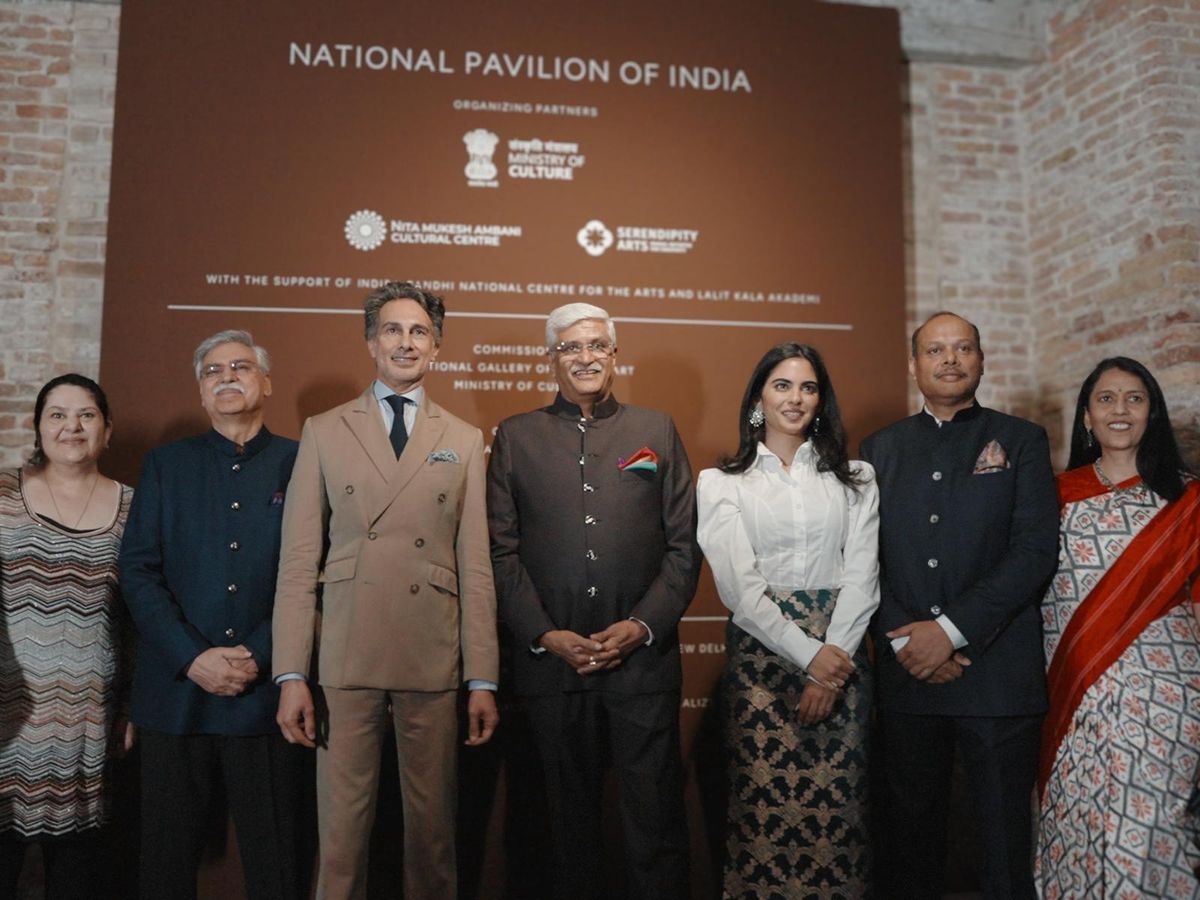
The National Pavilion of India is extending its presence at the 61st International Art Exhibition of La Biennale di Venezia beyond the walls of its exhibition, bringing a programme of performance, music and poetry into Venice’s historic public and cultural spaces.
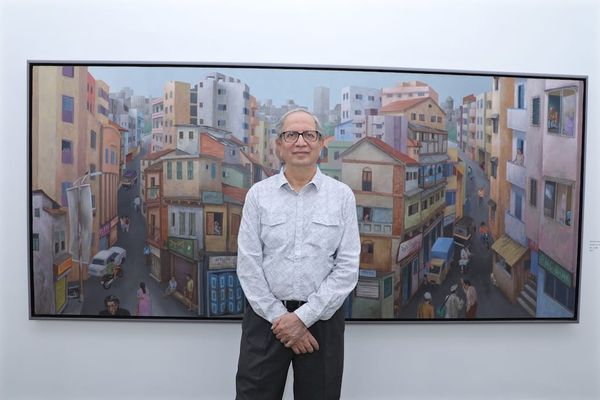
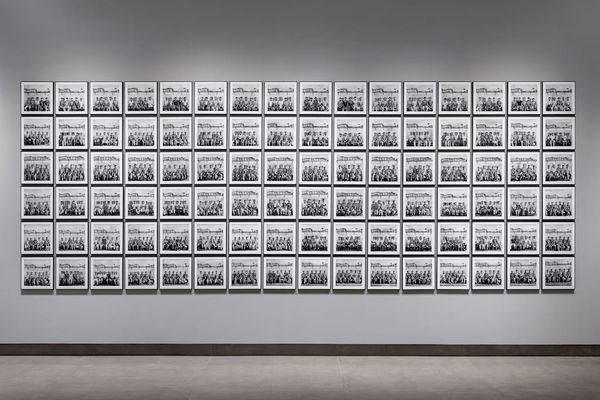
From 13 to 17 September 2026, a city-wide programme presented by the Ministry of Culture, Government of India, in partnership with Serendipity Arts and the Nita Mukesh Ambani Cultural Centre (NMACC), will explore themes of movement, memory, migration, belonging and cultural continuity. The programme accompanies Geographies of Distance: remembering home, curated by Dr Amin Jaffer, and coincides with the wider cultural activity surrounding Homo Faber 2026 and The Venice Glass Week.
Instead of treating the pavilion as a self-contained exhibition site, the programme positions Venice itself as an extension of the project. Performances will take place in squares, markets, theatres and cultural institutions across the city, with several incorporated into Venice’s official cultural programme. Two of the works, Hakchang – Polang (Body Vessel) and One World, are new commissions created specifically for the programme.
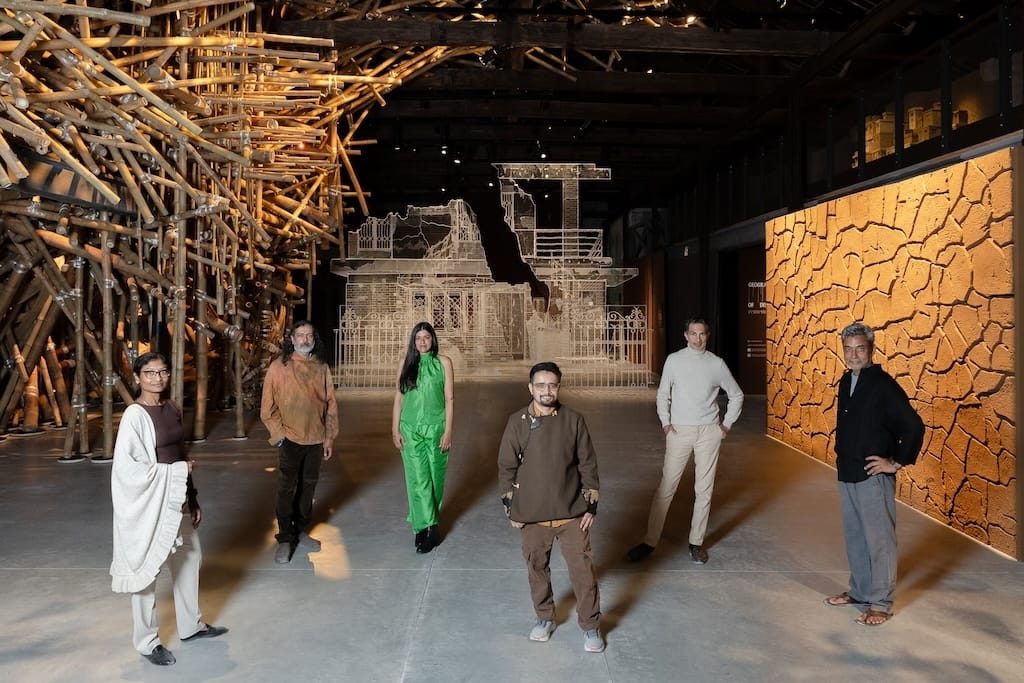
The approach reflects the central preoccupation of Geographies of Distance: remembering home: the ways in which memory and belonging persist across geographical distance, and how artistic practices can carry those experiences from one place to another.
Vivek Aggarwal, Secretary, Ministry of Culture, describes the pavilion as “a meeting point between memory and place”, with the accompanying programme extending this encounter through “music, dance, poetry, and song”. Together, he says, they turn “the entire city into a living canvas”, inviting international audiences to encounter the diversity of India’s artistic traditions.
The programme opens on 13 September at the Conservatorio Benedetto Marcello with One World, a new musical commission by singer-songwriter Ankur Tewari. Bringing together Indian folk traditions, Hindustani classical music and original contemporary compositions, the work considers music as a means of crossing borders and creating shared experiences. Conceived for Venice, the performance will subsequently travel to India as part of a wider cultural programme.
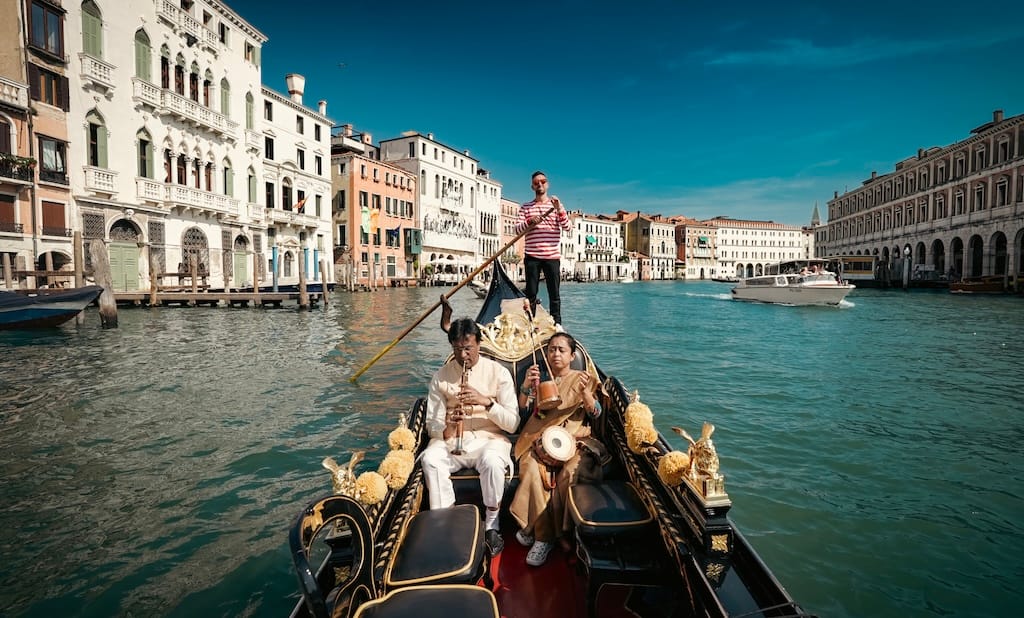
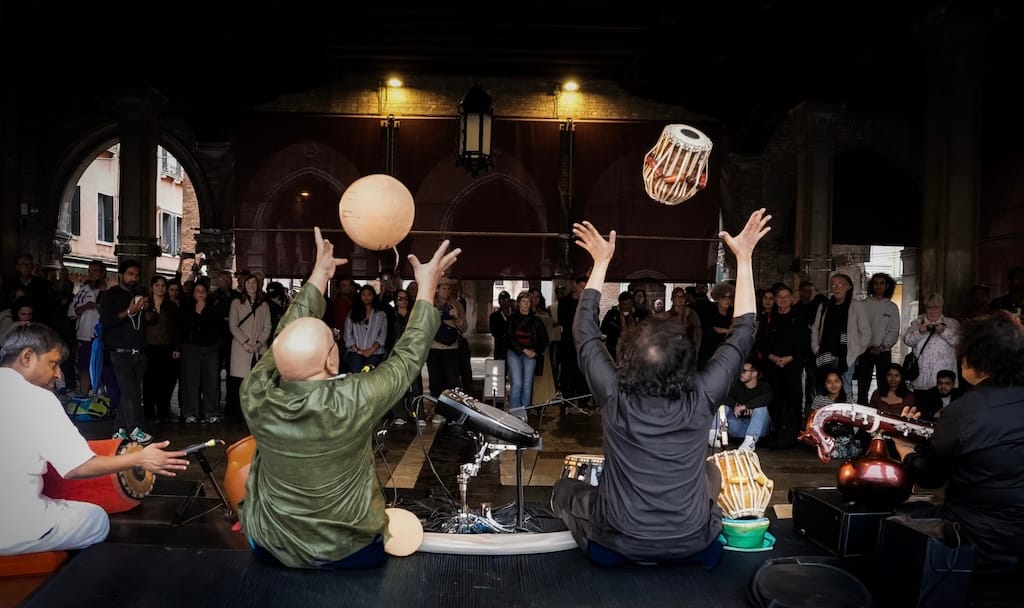
Tewari also curates Encounters, presented at the Mercato di Rialto on 14 September. The performance brings together Indian folk music, Hindustani classical traditions and contemporary songwriting, focusing on moments of connection, kinship and shared listening.
Dance takes a prominent role in the programme with Hakchang – Polang (Body Vessel), choreographed by Surjit Nongmeikapam. The new commission draws on Manipuri traditions to investigate the relationship between body, memory and material. Handcrafted objects and the human body become partners in a process of transformation, bringing folklore and artisan knowledge into dialogue with contemporary movement.
The work will appear in a succession of Venice’s campos, including Campo San Vio, Campo San Polo, Campo Sant’ Angelo and Campo Sant’ Agnese, before concluding at Palazzo Diedo, Berggruen Arts & Culture, on 17 September. Its movement through the city is significant: rather than presenting dance within a conventional theatrical setting, Hakchang – Polang becomes part of Venice’s everyday public realm.
Literature provides another route into the question of home. On 15 September, Palazzo Grassi will host La Casa in India / Beit-e-Bhārat, curated by poet and cultural theorist Ranjit Hoskote in partnership with Casa delle Parole. Readings in ten languages of the Indian subcontinent, accompanied by Italian translations, will trace ideas of home through more than two millennia of poetry, from the Upanishads to contemporary writing.
The programme's final event during the September series is Common Time, presented at Teatro Piccolo Arsenal on 16 September. Led by Ankur Tewari, an eight-member ensemble will combine Hindustani rock and folk music in a technology-free performance inspired by nature and the ocean. Original compositions and live instrumentation will explore compassion, friendship, unity and hope.
A further performance, Seeds of the Sacred – A Bharatanatyam Offering to the Human Spirit, will take place at Teatro Piccolo Arsenal on 28 September. Performed by Anwesha Das, the work draws on Bharatanatyam, the classical dance tradition of Tamil Nadu, to explore authenticity, humility, earth-rootedness and spiritual proportion. Its themes also speak to the core concerns of this year's Biennale.
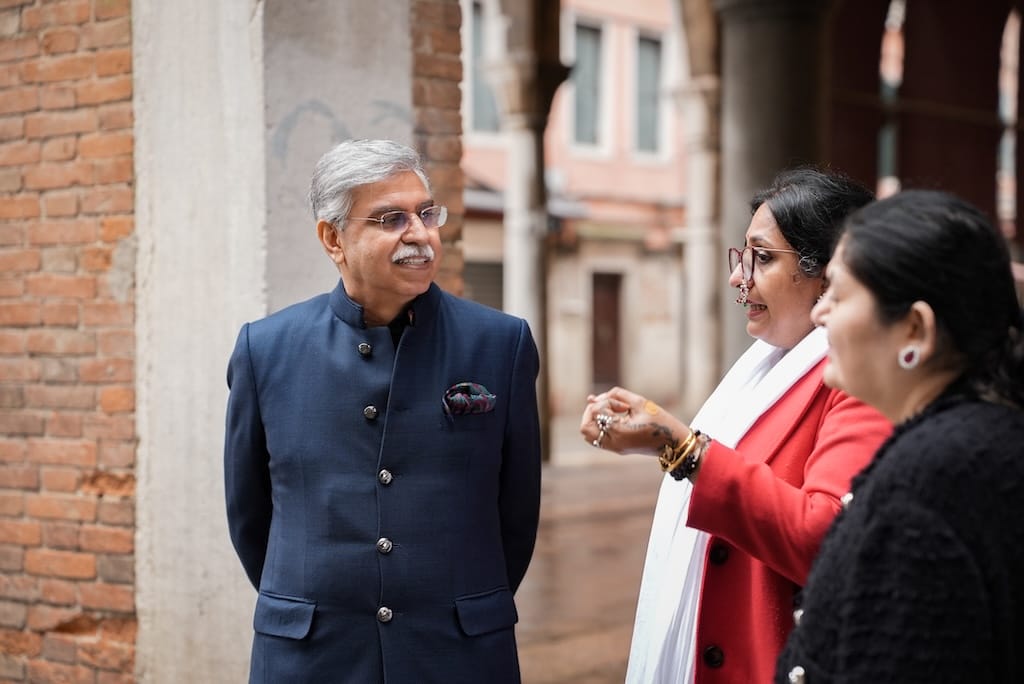
For Serendipity Arts, the expansion into Venice's public spaces is intended to make the pavilion a site of exchange rather than simply an exhibition venue. Sunil Kant Munjal, Founder and Patron of Serendipity Arts, says that the India Pavilion “was always conceived as a living space for dialogue, within and beyond the exhibition itself”. The programme, he adds, allows Indian artists to “interact directly with Venice through performance, music and literature”.
The choice of locations is therefore as important as the works themselves. A conservatoire, a market, public squares, a palazzo and a theatre become temporary sites for encounters between Indian artistic practices and the Venetian city. The programme's movement through these spaces also echoes the exhibition's wider concern with distance, displacement and the ways in which cultural memory travels.
For Isha Ambani of NMACC, the programme represents another expansion of India's cultural presence internationally. “Art transcends boundaries,” she says, describing the initiative as a means of bringing Indian creative voices to a global audience.
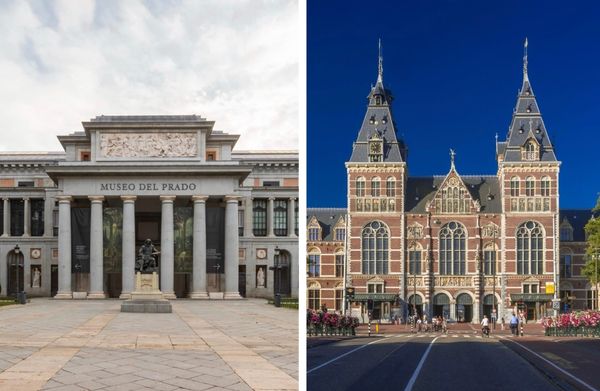
The relationship between Venice and India also has a longer history. Vani Rao, Ambassador of India to Italy, points to the historic cultural and trading exchanges between the two countries, particularly Venice's longstanding role as a centre of artistic and commercial exchange. The new programme, she says, continues that tradition while strengthening contemporary cultural ties.
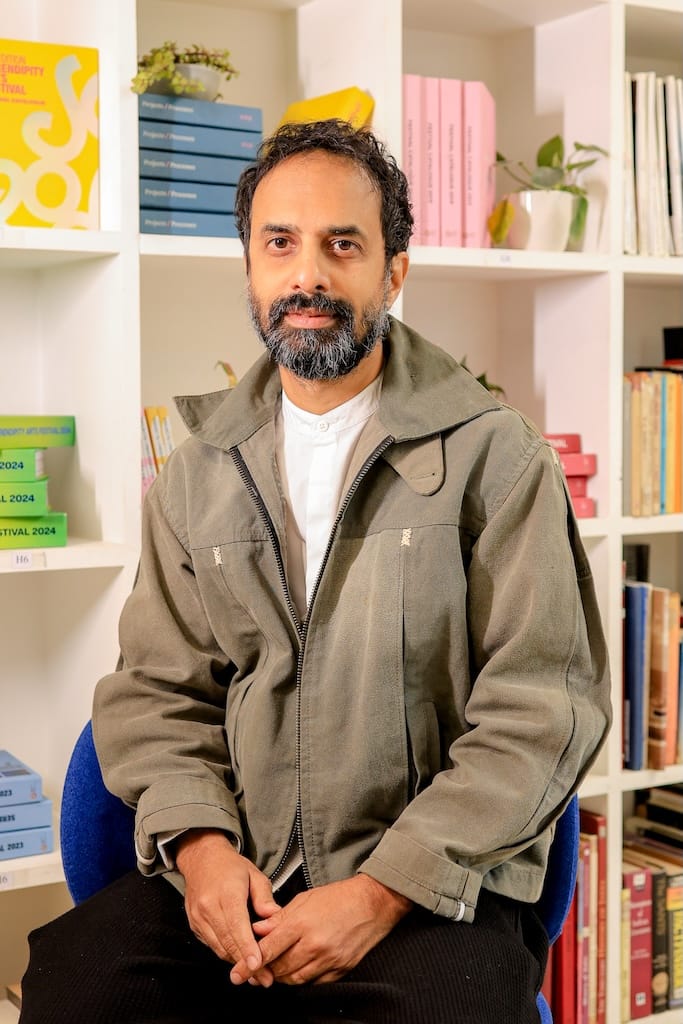
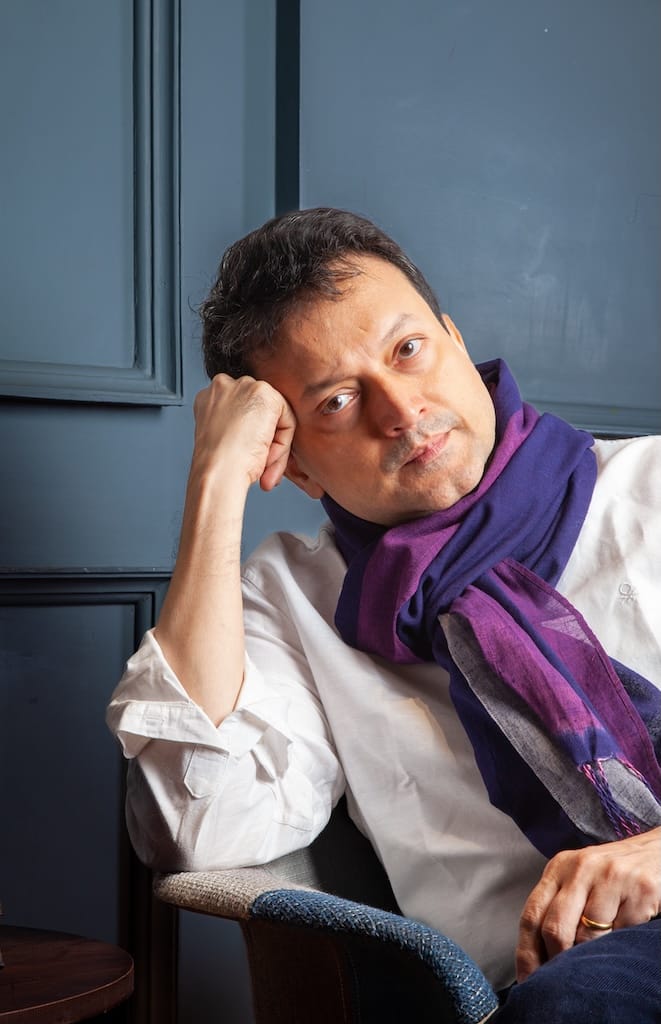
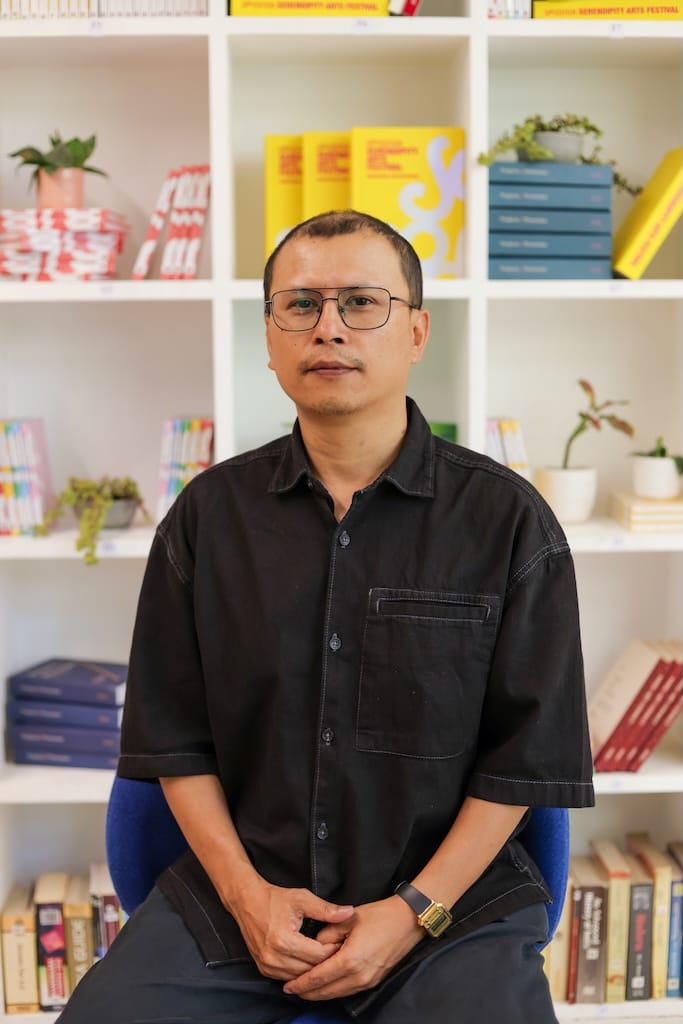
L-R: Ankur Tewari, Ranjit Hoskote and Surjit Nongmeikapam, Artistic Directors of Extended Programming, National Pavilion of India, Venice 2026. Tewari is Music Curator and Nongmeikapam Dance Curator, Serendipity Arts Festival 2026. Hoskote image credit: Priyesha Nair.
For curator Amin Jaffer, the performances are not an adjunct to the exhibition but a means of extending its ideas into other forms. “These performances expand the ideas explored within Geographies of distance: remembering home,” he says, demonstrating how “material, movement, language and music can become powerful carriers of memory”.
That idea perhaps best describes the ambition of India in Venice: to make the pavilion less a fixed destination than a network of encounters. Over several weeks, Indian music, dance and poetry will move through Venice, temporarily occupying spaces shaped by centuries of cultural exchange.
In doing so, the programme asks audiences to encounter the idea of home not as a single geographical point, but as something carried through bodies, objects, languages, songs and memories — and capable of finding new resonance far from where it began.
The India Pavilion, presented by the Ministry of Culture, Government of India, in partnership with the Nita Mukesh Ambani Cultural Centre and Serendipity Arts, is open until 22 November 2026.