Sudhir Patwardhan’s Drawings Reveal the Intimate Life of the City
At Vadehra Art Gallery, 200 drawings made between 1970 and 2000 reveal a quieter, more intimate side of Sudhir Patwardhan’s practice, tracing his changing relationship with the human figure, Mumbai and his own interior world.
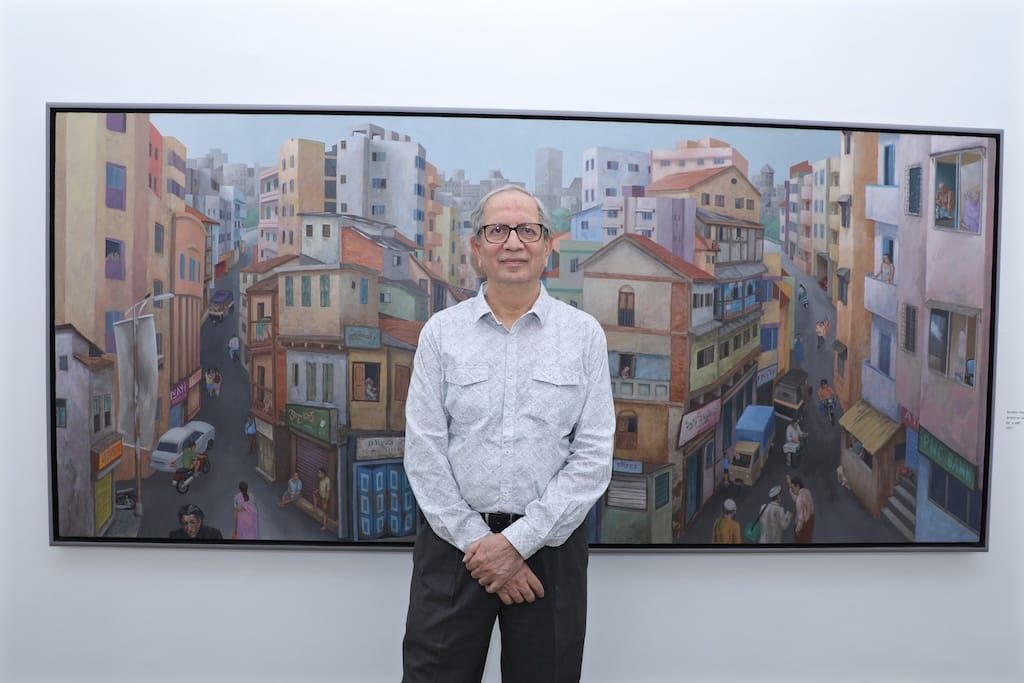
Sudhir Patwardhan is widely recognised for his paintings of Mumbai and the people who inhabit it. His drawings, however, offer a different point of entry into this world. Less concerned with the demands of a finished painting, they reveal an artist observing bodies, testing ideas and working through experiences that do not always find their way into his larger canvases.
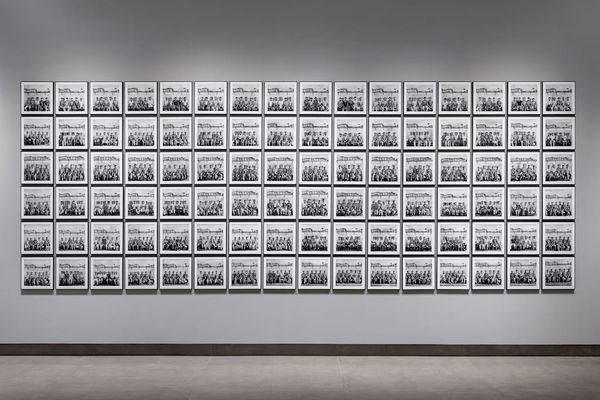
At Vadehra Art Gallery in New Delhi, In Another Mode: Sudhir Patwardhan’s Drawings 1970–2000 brings together approximately 200 drawings from the first three decades of the artist’s practice. Curated by art historian and curator R. Siva Kumar, the exhibition presents works from Patwardhan's student days, when he was still studying medicine. Select works were previously shown in a retrospective exhibition curated by Kumar at the Durbar Hall Art Centre in Kochi in 2025.
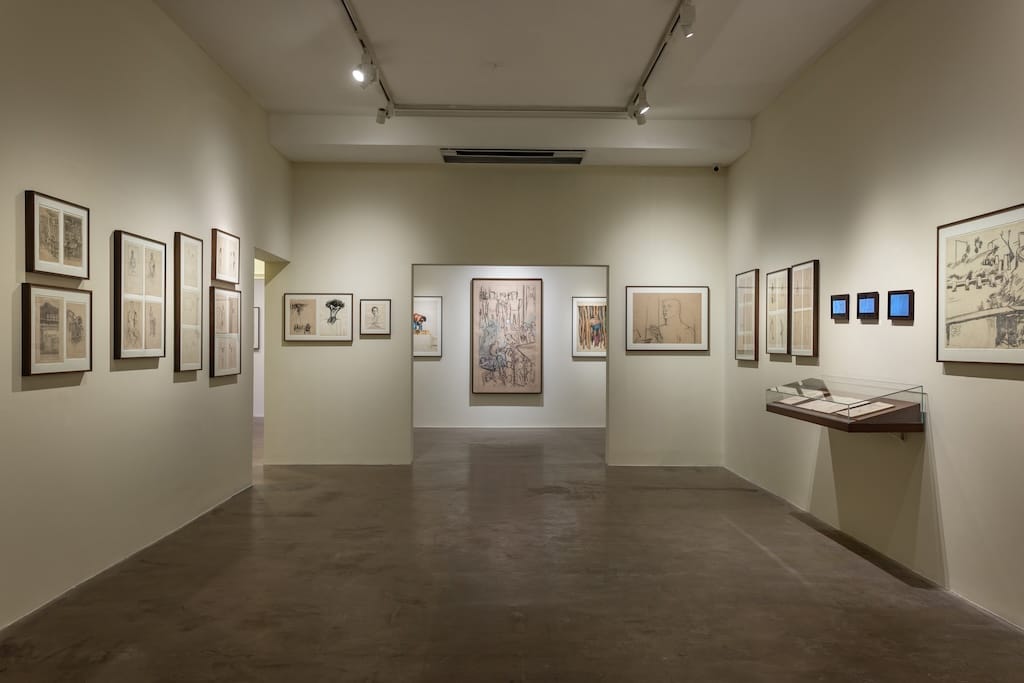
For Vadehra Art Gallery, the exhibition emerged from a long-standing relationship with the artist. Roshini Vadehra, Director of Vadehra Art Gallery, explains that the gallery's regular engagement with Patwardhan's studio led to the discovery of works that had largely remained unseen.
"The gallery has had a long and close relationship with Sudhir Patwardhan and we have enjoyed doing solo presentations of his paintings in different parts of India and London as well," she says. "During our regular studio visits, we came across some early drawings and works on paper, many of which had never left his studio."
The significance of those works quickly became apparent.
"The idea immediately came up to give visibility to these precious gems which are essentially the foundations of his practice and offer an extraordinary way to get a glimpse into the evolution of his thinking over three formative decades of his artistic journey," Vadehra says.
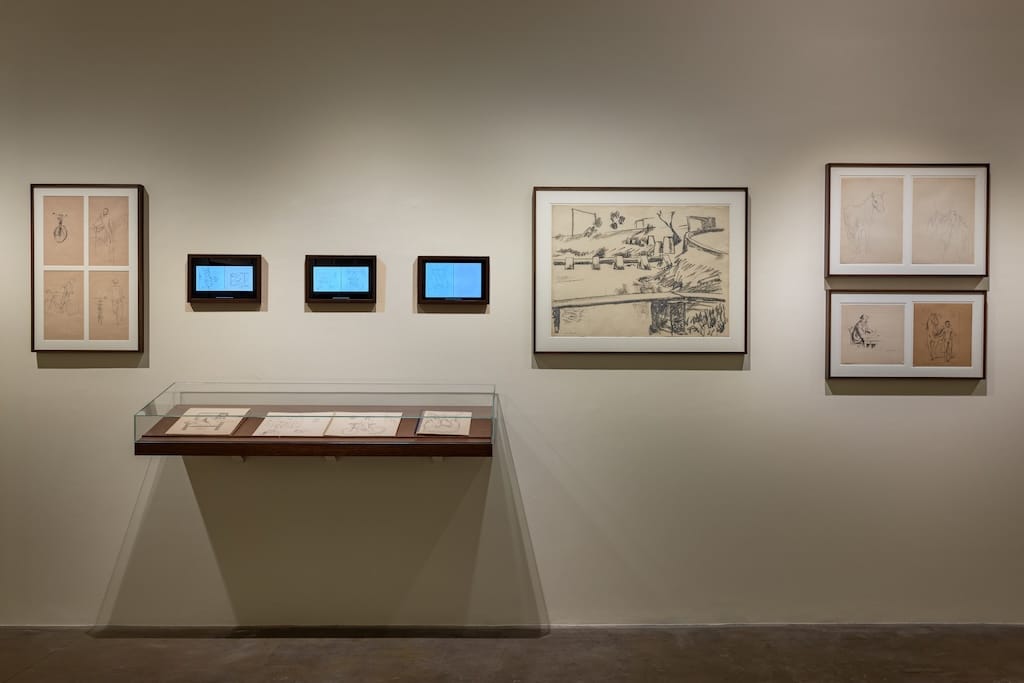
The exhibition consequently provides an opportunity to consider Patwardhan's practice through works that reveal not only his subjects, but also the ways in which he looked at them and thought through them.
"Bringing together this body of work and at this scale gives the audiences an opportunity to trace the development of Sudhir’s visual language, his attention to social and physical realities around him," Vadehra says.
"There is a spontaneity and intimacy in these works which reveal how he tests and returns to subjects that have been his preoccupation in his larger works, be it the city and its architecture or the human figure, labour and movement."
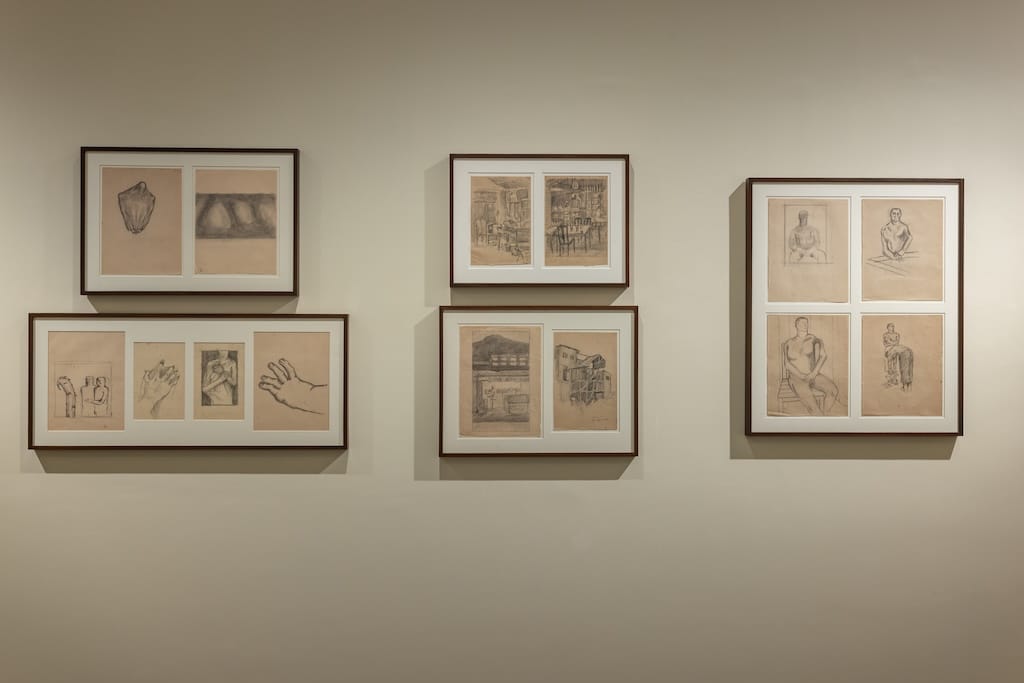
The drawings therefore provide not only an alternative view of familiar subjects, but a different way of understanding the artist's process.
"It is also interesting to see how central drawing has been to his practice, rather than simply being preparatory work for paintings," Vadehra adds. "The sheer range of these works on paper reveals the extraordinary discipline of how he views the world around him."
Drawing as Thought
For Patwardhan, drawing is not just preparation for painting.
"When you’re working towards a painting, you make studies, and those drawings can lead towards the painting. You’re trying to compose, to paint, to move a figure, or architecturally to move things around. That is one aspect," he explains.
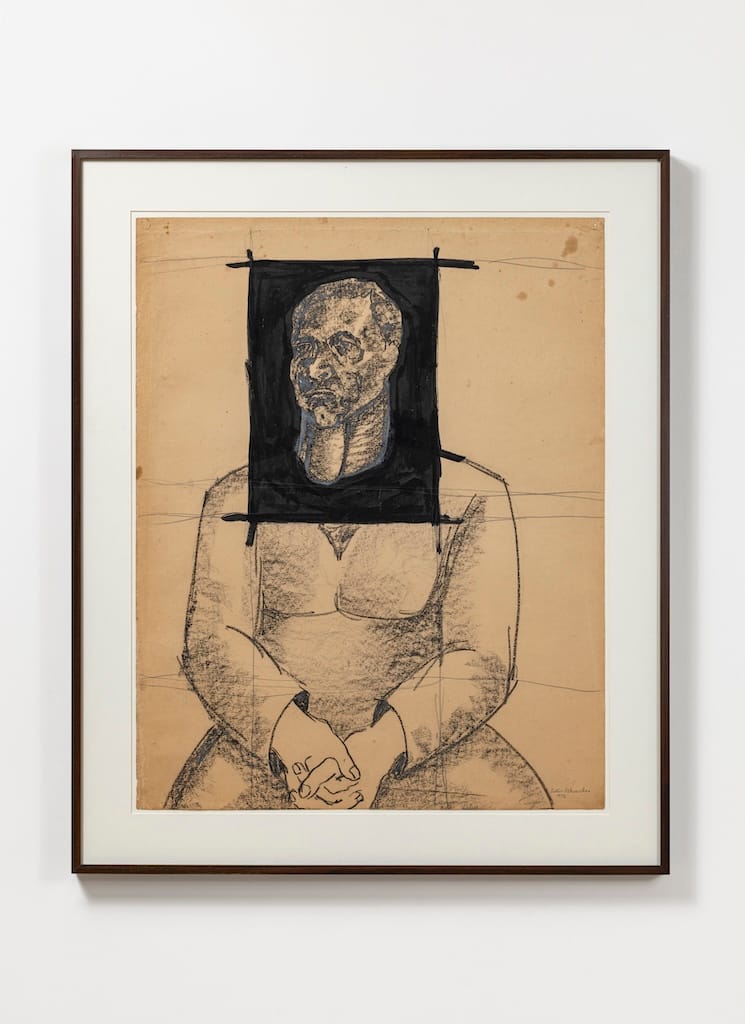
The distinction is important to understanding the exhibition. The drawings reveal a practice that extends beyond the production of finished paintings, offering a glimpse into the artist's observations and the development of his visual language.
The Human Figure
Born in Pune in 1949, Patwardhan graduated in medicine from the Armed Forces Medical College in 1972 and practised as a radiologist in Thane from 1975 to 2005. His medical profession ran alongside his development as an artist, and the human body has remained a persistent element of his work. But Patwardhan is cautious about attributing too much importance to his medical training when discussing his approach to the figure.
"I don’t think anatomy played a big role in that," he says. "It was part of the process. As a medical student, one was doing anatomical drawings for study purposes, and one had some grasp of anatomy as a medical person. But it was not crucial."
"What was crucial was sketching people outside."
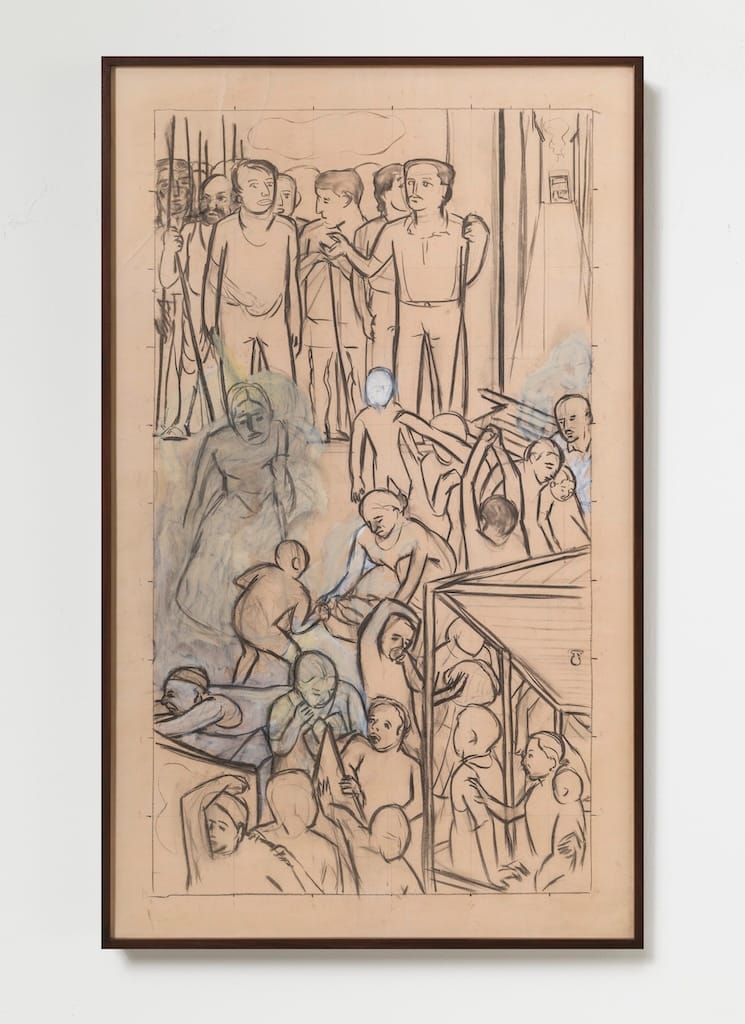
His attention to the human figure reflects a broader interest in the lives of ordinary people, an interest that runs through his paintings and drawings. This way of looking at people resonates with R. Siva Kumar's reading of the works. In his curatorial note, Kumar describes Patwardhan as "our preeminent painter of people and the city", locating his practice within the social and political aspirations of post-Independence India. Patwardhan aligned himself with working people and adopted a realism that sought to address the conditions of ordinary life. Mumbai became the natural theatre in which those lives unfolded.
The drawings, Kumar argues, tell that story more intimately.
Intimacy, Beauty and Contradiction
The smaller drawings often function as intimate notations, while the larger works operate as independent expressions. Kumar identifies a significant development between the two, observing that the earlier large drawings possess an unusual aggressiveness, while in later works the intensity becomes increasingly psychological.
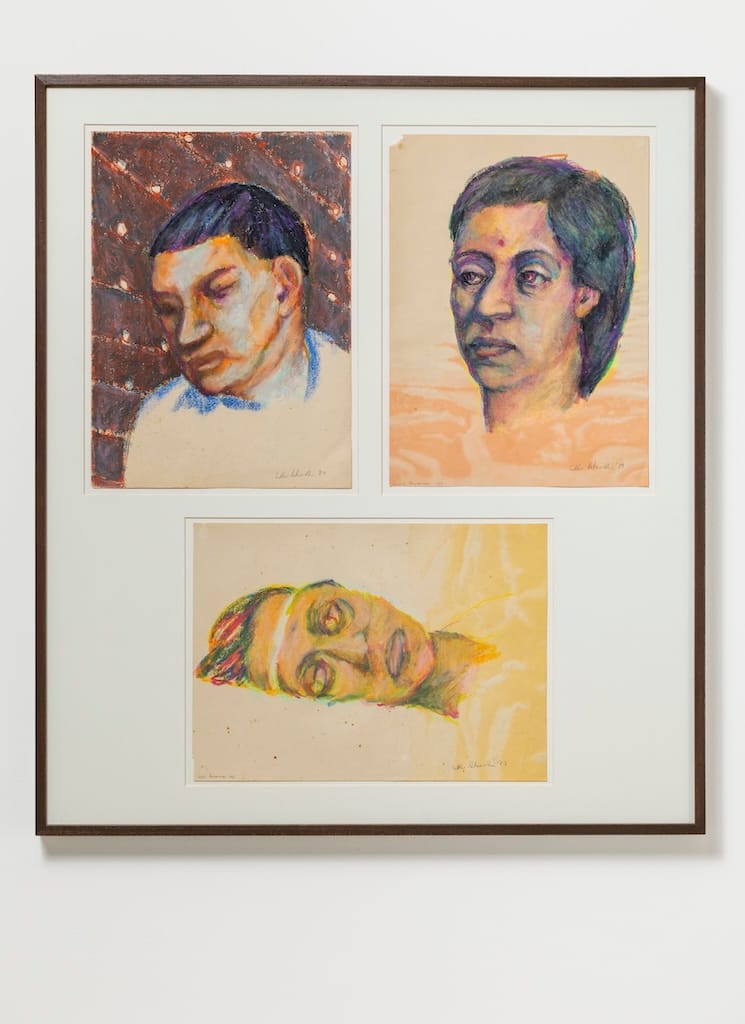
For Patwardhan, the privacy of drawing allows precisely this kind of exploration.
"Painting is a public thing," he says. "You don’t generally want to make a painting and put it in a closet. You want people to see it, so it is a form of communication."
The drawings occupy another space.
"These sketches are not thought of as communication at all. They are private. They allow you to explore certain areas and ambiguities, such as the simple fact of love and hate always coexisting."
"How does one deal with such an ambiguous feeling? I think drawings are much more capable of creating that kind of space."
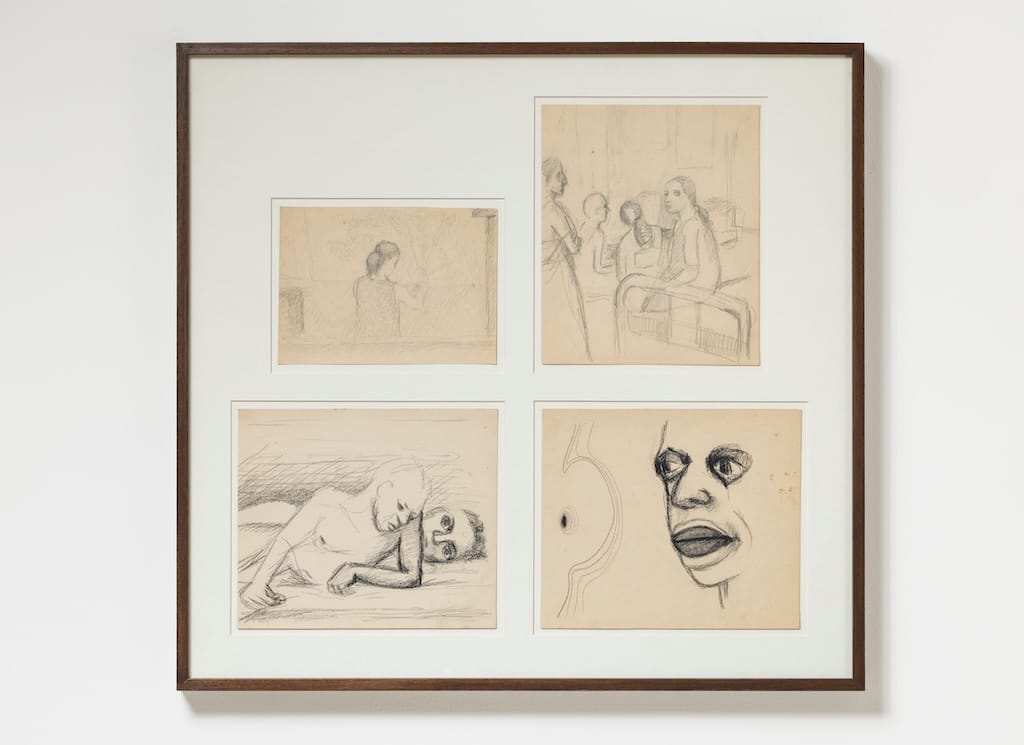
The idea of ambiguity extends beyond relationships. It is also embedded in Patwardhan's response to the urban environment itself.
He recalls a painting of Ulhasnagar in which a polluted nullah appears purple because of chemical contamination.
"When I saw it, it was very beautiful, those colours, but I knew that they were killing the fish. So what is my feeling about that?"
For Patwardhan, the contradiction cannot simply be resolved into a moral position.
"Such an ambiguous relationship to something that you see and something that you live with is always happening. You feel one thing, but you also feel the other thing. You cannot simply decide whether this is right or that is wrong."
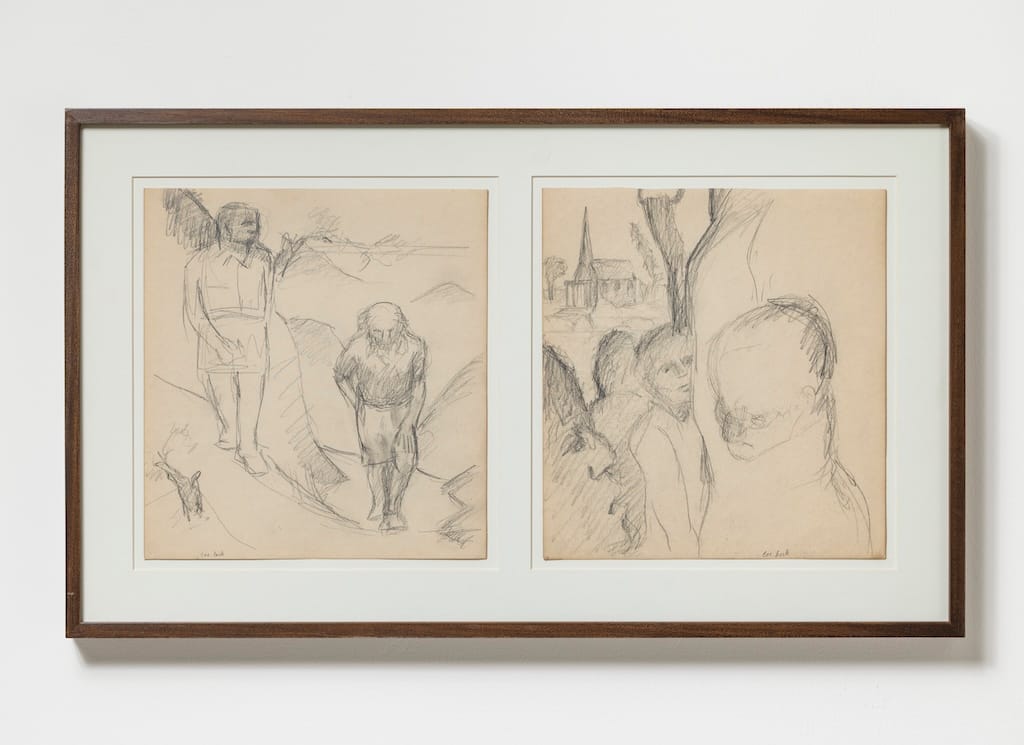
The same problem appears in art itself. He speaks of beautifully executed depictions of violence in Indian miniatures, and of ornate weapons in museum collections.
"What does it mean to paint violence beautifully?"
The question brings together two concerns that run through Patwardhan's practice: the complexities of lived experience and the capacity of art to find beauty in subjects that may be troubling or morally difficult.
A City That Became a Document
Patwardhan's drawings can now be read as documents of a city that has changed dramatically since the 1970s. Bridges, railway journeys, workers, streets and neighbourhoods record fragments of an urban environment that no longer exists in quite the same form. Architects and town planners have often responded to this documentary quality in his work.
"I do believe that they become documents in a sense," he says. "I’ve had this ongoing feeling that lots of architects and town planners respond to my work about cities, and they see in it this aspect of documentation."
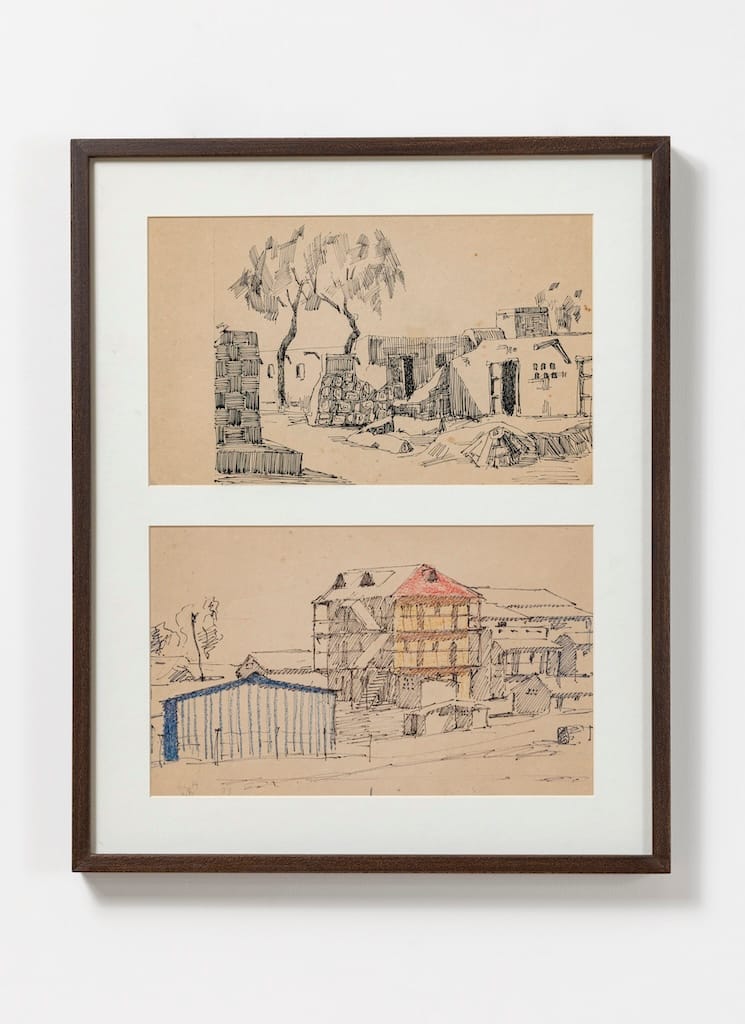
But he is careful to distinguish between documentation as an outcome and documentation as an intention.
"I am aware that the intention was never to document change. The intention was never to say that Mumbai was like this in the 1970s, then it was like this in the 1980s, and then like this in the 1990s. The intention was to paint my experience at that moment."
"It happened that the works have become documents of that moment. But a documentary intention is something else. The work should not be read as a documentary process."
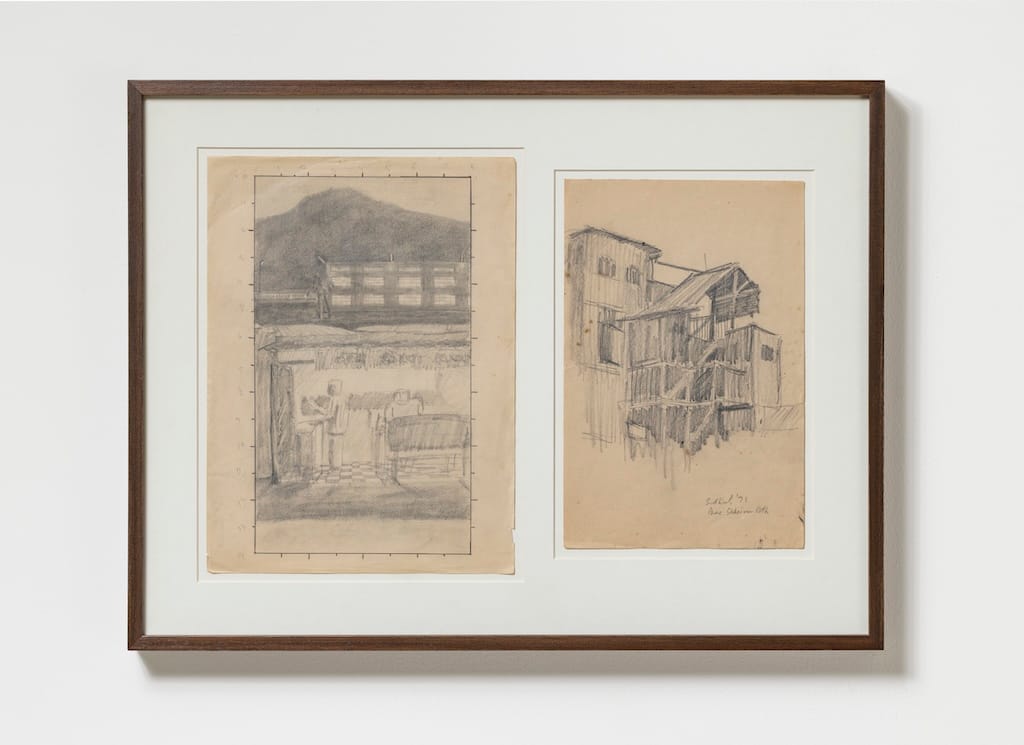
That distinction is important. Patwardhan's work has historical value precisely because it begins with experience rather than with the desire to construct a historical record.
The result is an archive without nostalgia.
Another Mode
Seen in this light, In Another Mode offers a view of an artist whose drawings move between the social world and more intimate explorations of human experience. They reveal how drawing became an essential part of Patwardhan's practice, allowing him to explore relationships, memory and conflicting responses to the world around him.
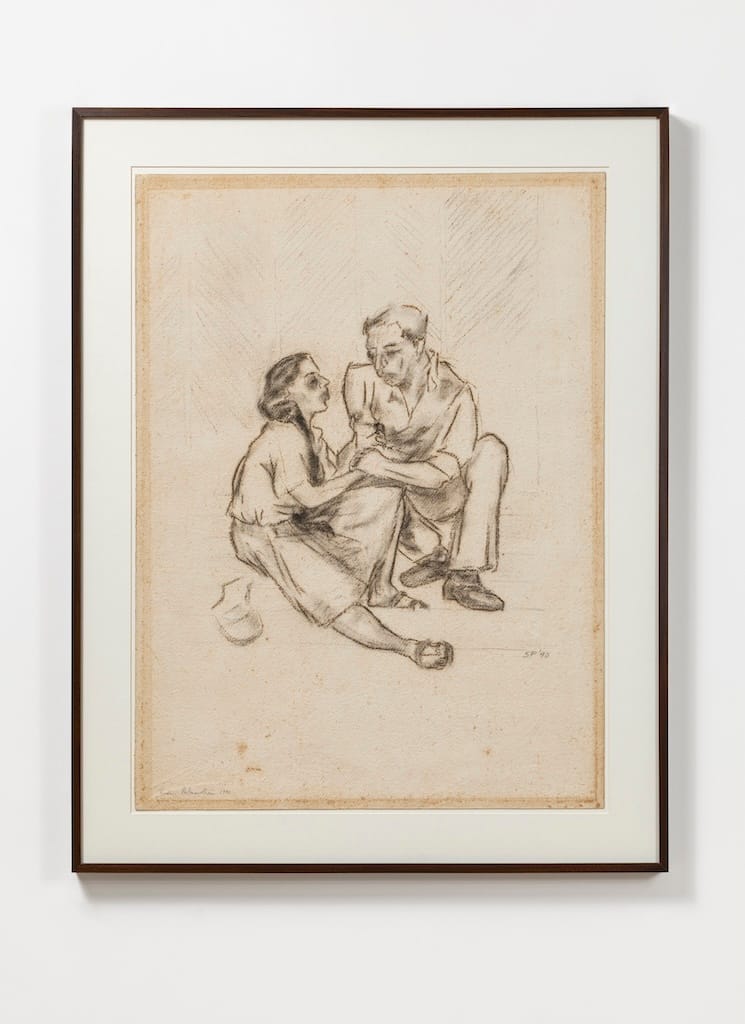
The exhibition's title, as understood through R. Siva Kumar's curatorial perspective, points to drawing as more than an alternative to painting. It is a distinct way of looking and thinking, one that allows Patwardhan to explore experiences that resist easy resolution.
Reflecting on the relationship between art, beauty and the troubling realities it can represent, Patwardhan says, "So there is always this ambiguity. It is troubled, but also fascinating, because ultimately one does believe that the purpose of painting, the purpose of art, is to make beautiful work."
In Another Mode: Sudhir Patwardhan’s Drawings 1970–2000 is on view at Vadehra Art Gallery, New Delhi, until 23 October.