Did Picasso Really Say “Good Artists Copy, Great Artists Steal”?
Often attributed to Pablo Picasso, the famous line “Good artists copy, great artists steal” raises questions about originality and influence. But did Picasso really say it? Exploring the quote reveals surprising connections to earlier thinkers and artistic traditions.

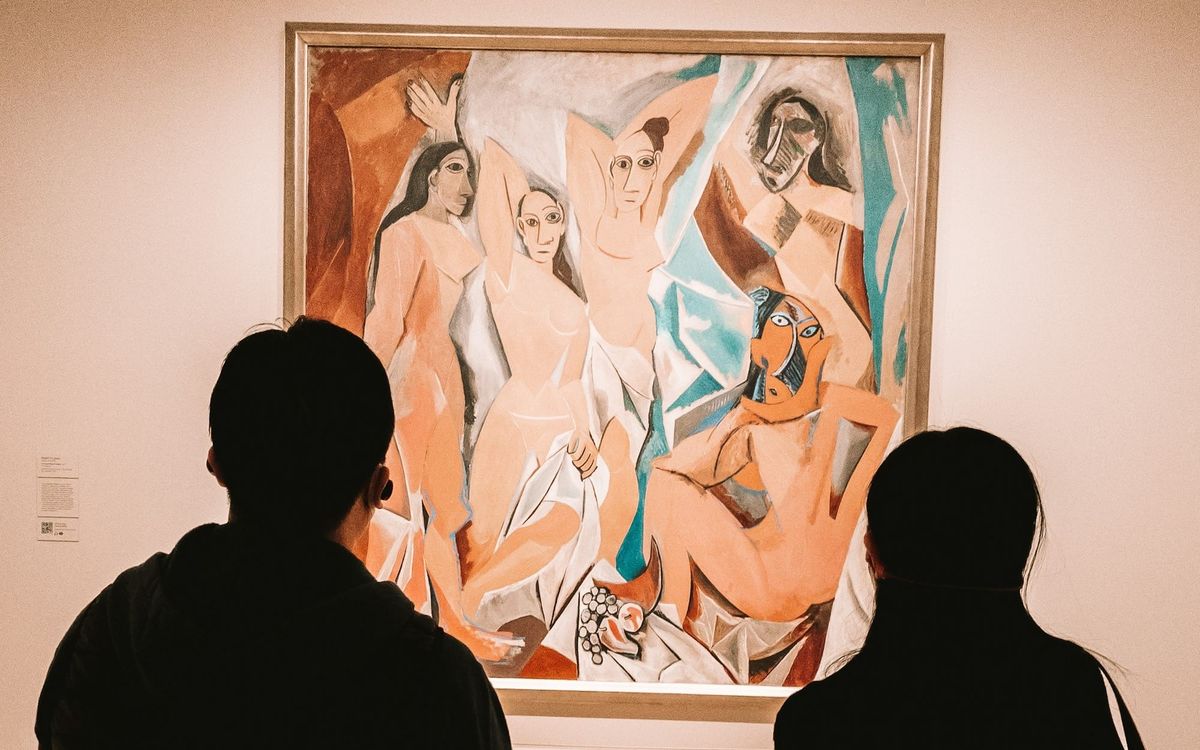
Few quotations circulate through the art world as frequently as the phrase: “Good artists copy, great artists steal.” It is often attributed to the Spanish painter Pablo Picasso and is frequently cited in discussions about creativity, originality, and influence. Artists, designers, and even technology entrepreneurs have repeated the line as a provocative reminder that creative ideas rarely emerge in isolation.
Yet a closer examination raises an important question. Did Picasso actually say it?
The answer is more complicated than the popular quote suggests. While the phrase is widely associated with Picasso, the evidence linking it directly to him is surprisingly thin. Like many famous quotations, it appears to have travelled through time, evolving as it passed from one thinker to another.
The Origins of the Quote
The earliest known expression resembling the quote does not come from Picasso at all. A similar idea appears in the writings of the British poet and critic T. S. Eliot. In his 1920 essay “Philip Massinger”, Eliot wrote a line that scholars frequently identify as the likely origin of the sentiment:
“Immature poets imitate; mature poets steal.”
Eliot’s point was not to advocate plagiarism. Instead, he was describing how great artists transform their influences. According to Eliot, weaker artists merely imitate surface features of earlier works. Stronger artists absorb ideas so deeply that they reshape them into something new and personal.
In other words, “stealing” in Eliot’s sense meant creative transformation, not copying.
Over time, this idea began circulating in artistic circles in various forms. At some point, the phrase evolved into the more direct and memorable version now widely attributed to Picasso.
Why Picasso Became Associated with the Quote
The association with Pablo Picasso is not entirely surprising. Picasso’s career itself offers a powerful example of how artists absorb and reinterpret earlier traditions.
Throughout his life, Picasso drew inspiration from a wide range of sources. His work reflects influences from Iberian sculpture, African masks, classical painting, and European modernism. Rather than imitating these traditions directly, he reshaped them into radically new forms.
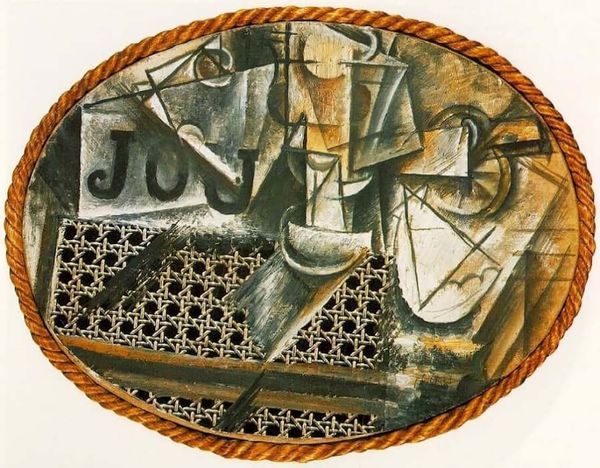
One of the most striking examples appears in his involvement in the development of Cubism alongside Georges Braque. Cubism fragmented objects into geometric planes, presenting multiple perspectives at once. This approach challenged centuries of Western artistic conventions and opened new possibilities for representation.
Picasso also openly engaged with earlier masterpieces. His series of reinterpretations of Las Meninas by Diego Velázquez demonstrates how he revisited historical works and transformed them through a modern lens.
Given this pattern of creative borrowing and reinvention, the quote about artists “stealing” ideas feels consistent with Picasso’s artistic philosophy. Even if he did not coin the phrase himself, it reflects an approach he practised throughout his career.
The Problem of Misattributed Quotes
The case of this quote highlights a broader issue in cultural history: the frequent misattribution of memorable sayings.
Short, striking statements tend to travel widely, especially when they capture an appealing idea about creativity or success. Over time, such phrases are often attached to famous figures whose reputations reinforce the message.
Picasso, as one of the most influential artists of the twentieth century, became a natural candidate for this type of attribution. His bold personality and reputation for artistic innovation made the quote seem plausible.
However, researchers who have examined Picasso’s recorded interviews and writings have found little concrete evidence that he used this exact phrase. While he spoke extensively about artistic influence and transformation, the precise wording appears to have emerged later.
A similar process has affected many other famous quotations. Statements attributed to figures such as Albert Einstein, Mark Twain, and Winston Churchill often circulate widely despite limited historical evidence.
What the Quote Really Means
Regardless of its exact origin, the phrase “good artists copy, great artists steal” expresses an idea that resonates strongly within the history of art.
Artists rarely create entirely new ideas in isolation. Instead, creativity often emerges through dialogue with earlier works, traditions, and cultural influences.
Art history offers countless examples of this process.
Renaissance painters studied classical sculpture and earlier masters to refine their techniques. Modern artists responded to the achievements of their predecessors while seeking new directions. Contemporary artists continue to reinterpret images, styles, and themes from the past.
What distinguishes great artists is not simply their ability to copy what came before. Rather, it is their ability to absorb influences and transform them into something original.
In this sense, “stealing” refers to a deeper level of engagement with artistic sources. Instead of reproducing an idea exactly as it appeared before, the artist internalises it and reshapes it through personal vision.
Picasso’s Own Approach to Influence
Although the famous quote may not be documented in Picasso’s own words, his career demonstrates a complex relationship with influence.
Picasso moved rapidly through different styles during his early years. His Blue Period explored themes of poverty and melancholy through cool, sombre colours. This was followed by the warmer tones and circus imagery of the Rose Period.
Later, his collaboration with Braque led to the development of Cubism, which radically altered the visual language of painting.
Picasso also engaged directly with the history of art. His reinterpretations of classical masterpieces show how he approached earlier works not as untouchable relics but as material for creative dialogue.
In many ways, Picasso treated art history as a vast resource. He examined the achievements of previous artists and then reshaped those ideas according to his own imagination.
This approach reflects the spirit of the famous quote, even if the words themselves cannot be definitively traced to him.
Influence Versus Imitation
The phrase also highlights an important distinction between imitation and influence.
Imitation often involves reproducing the surface features of another artist’s work. A student painter might copy the brushstrokes or colour palette of a famous artist in an attempt to achieve similar results.
Influence, by contrast, operates at a deeper level. Artists absorb ideas, techniques, and visual languages, but they adapt them in ways that reflect their own perspectives and experiences.
The difference can be subtle but significant. Imitation tends to produce work that feels derivative. Creative transformation, on the other hand, leads to innovation.
This distinction lies at the heart of many discussions about originality in art. True originality rarely means inventing something from nothing. Instead, it often involves recombining existing ideas in new and unexpected ways.
Why the Quote Still Matters
Despite uncertainty about its origin, the phrase continues to resonate because it captures a fundamental truth about creativity.
Artists are always part of a larger cultural conversation. Each generation responds to what came before, whether by continuing a tradition, challenging it, or transforming it entirely.
The history of art is therefore not a series of isolated achievements but an evolving dialogue across time.
For students and emerging artists, the quote can serve as a reminder that studying other artists is not only acceptable but essential. The goal is not to avoid influence but to engage with it thoughtfully and imaginatively.
By understanding how earlier artists solved visual problems, contemporary creators gain tools that can inform their own work.