At TRI Art & Culture, 'Monsoon Rooms' Explores Grief, Memory and the Art of Radical Rest
TRI Art & Culture’s 'Monsoon Rooms' brings together Vriddhi (Grey) and Hansika Mangwani in two sensory exhibitions exploring grief, memory, breath and radical rest, inviting visitors to slow down and experience what remains.
TRI Art & Culture’s second edition of Monsoon Rooms brings together two very different but closely connected exhibitions that ask visitors to slow down, look inward and consider what remains after moments of disruption. On view through 1 November 2026, The Presence of an Absence by Vriddhi (Grey) and Breath Work(s) with light art by Hansika Mangwani occupy the Ground Floor and First Floor Galleries respectively, creating a conversation between grief and restoration, memory and presence, stillness and perception.
Presented by TRI Art & Culture in association with KCT Group CSR, the programme builds on the inaugural edition of Monsoon Rooms in 2025, which explored lens-based practices through films and photobooks. This year, the programme turns towards the aftermath of the storm, considering what weather, time and experience leave behind, and how we inhabit those traces.
Grief as a sensory archive
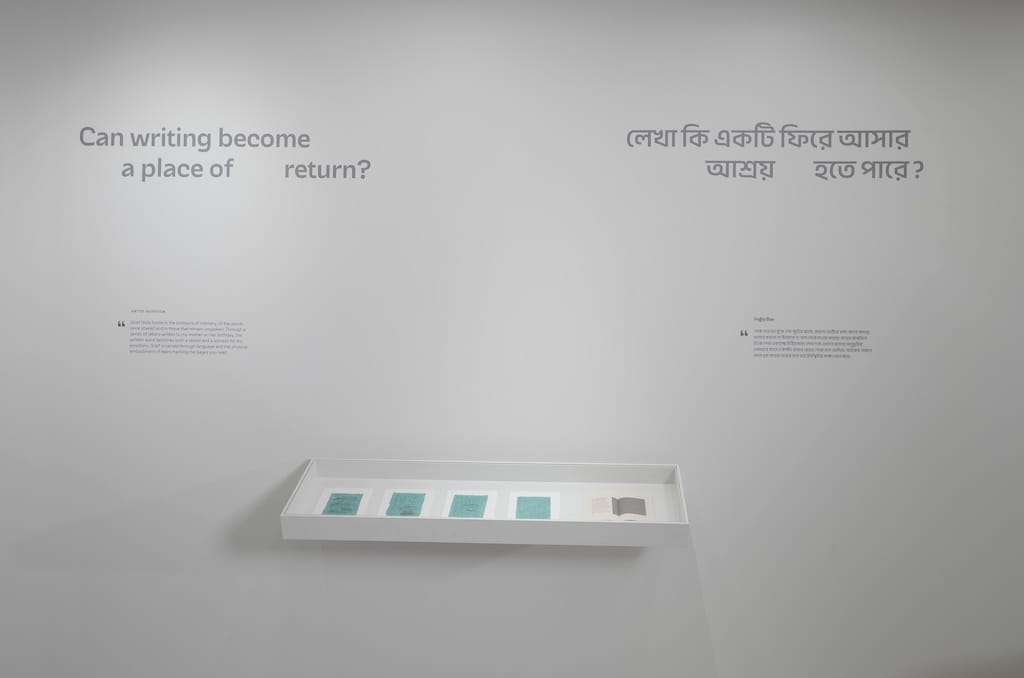
At the Ground Floor Gallery, The Presence of an Absence transforms personal grief into a multidisciplinary exploration of memory. The solo exhibition by Jaipur-born photographer, writer, educator and installation artist Vriddhi (Grey) emerged from the death of her mother and brings together photography, scent, sculpture and handwritten text.
For (Grey), the starting point was photography, but also the realisation of its limitations.
“The work actually began with me trying to find photographs of my mother,” she says. “I think there was a particular kind of regret in being a photographer and realising that I didn't have enough photographs of someone who was so important to me. I had so many visuals of her in my head, but very few physical images to hold on to.”
That distinction between remembering someone and possessing evidence of that memory became central to the exhibition. Photography can preserve an image, but it cannot necessarily preserve the smell of a room, the texture of an object, a fragment of conversation or the atmosphere surrounding a particular moment.
“I started with photography because that is the language I know, but very quickly I realised that the memories I was trying to access weren't only visual,” (Grey) explains. “I could remember the smell of things, the feeling of objects, the atmosphere of a room, fragments of conversations, handwriting, rituals.”
Instead of attempting to reconstruct her mother through a conventional photographic archive, (Grey) began to explore how memory might be accessed through the body. “I am less interested in representing a memory than in recreating the conditions through which it might be felt,” she says.
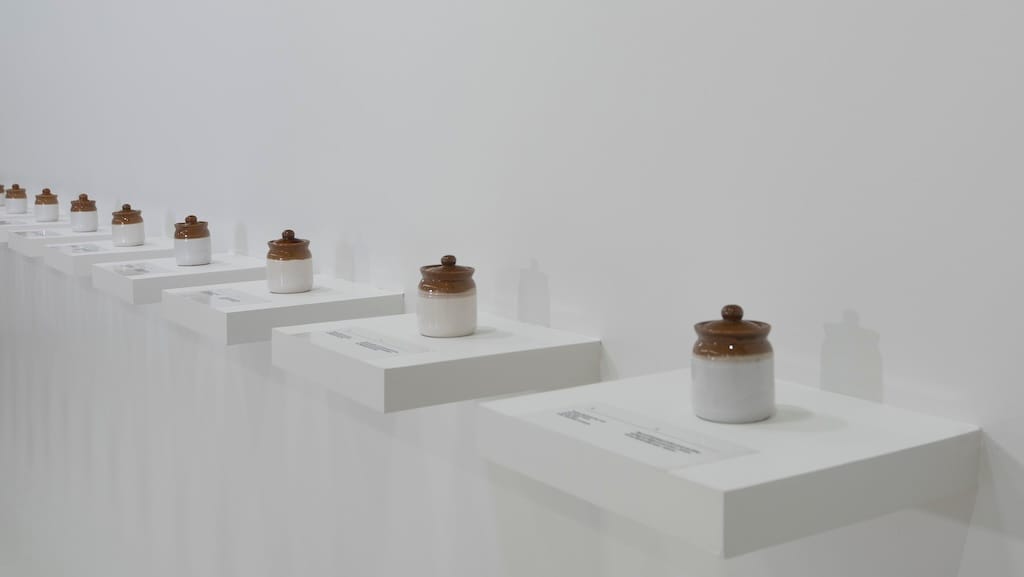
This approach is particularly evident in Second Skin, an olfactory installation created in collaboration with Bios Apothecary, Brooklyn. Twelve individual scents evoke memories shared between the artist and her mother, transforming smell into a form of portraiture.
The work began with an unexpected encounter. “I was walking down the street one day and smelled YSL Cinema, a perfume that immediately smelled exactly like my mother,” says (Grey). “That smell triggered a memory and, with it, an image of her.”
From there, she began returning to specific memories and identifying the scents embedded within them. The resulting fragrances became sensory recreations of particular experiences.
“What became interesting to me was that the smell often came first and the image followed,” she says. “A scent could suddenly bring back a room, a person, a moment or a particular version of her that I hadn't consciously thought about in years.”
For (Grey), this distinction is crucial. “An image can show you a memory, but scent can activate one. It doesn't necessarily ask you to look back; it can make something feel present again.”
The title Second Skin reflects this bodily relationship with memory. “These memories have become almost bodily for me,” she says. “They are not things I consciously carry around all the time, but they have become part of me, almost like a second skin.”
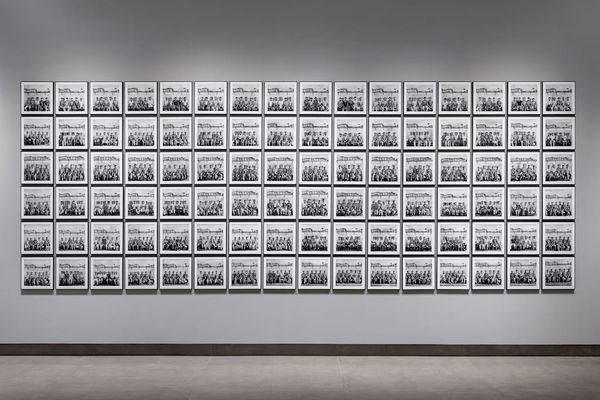
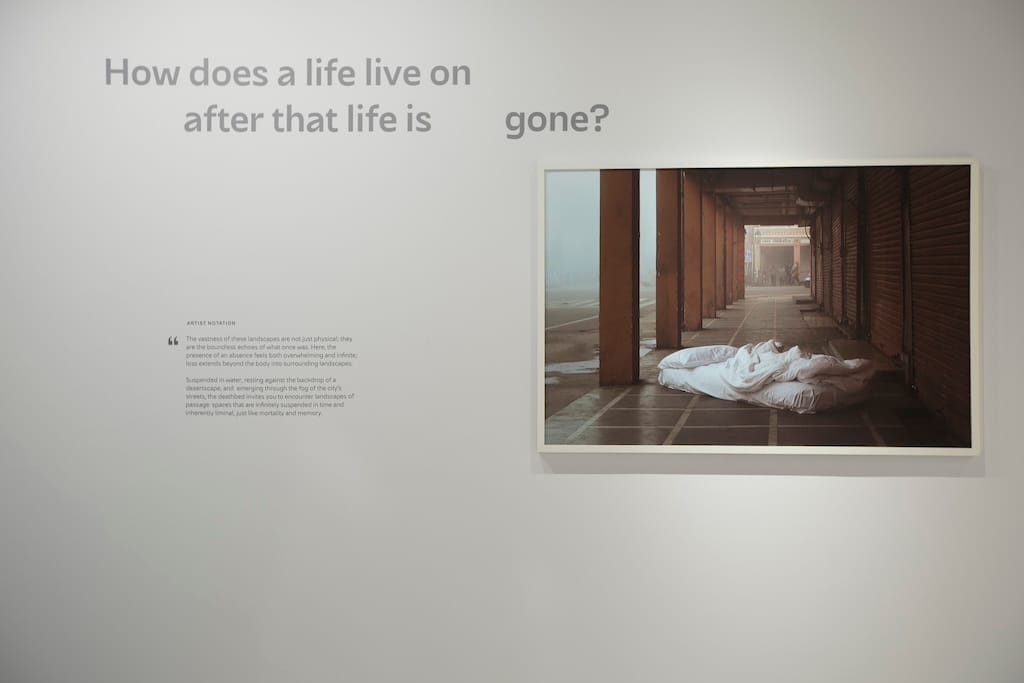
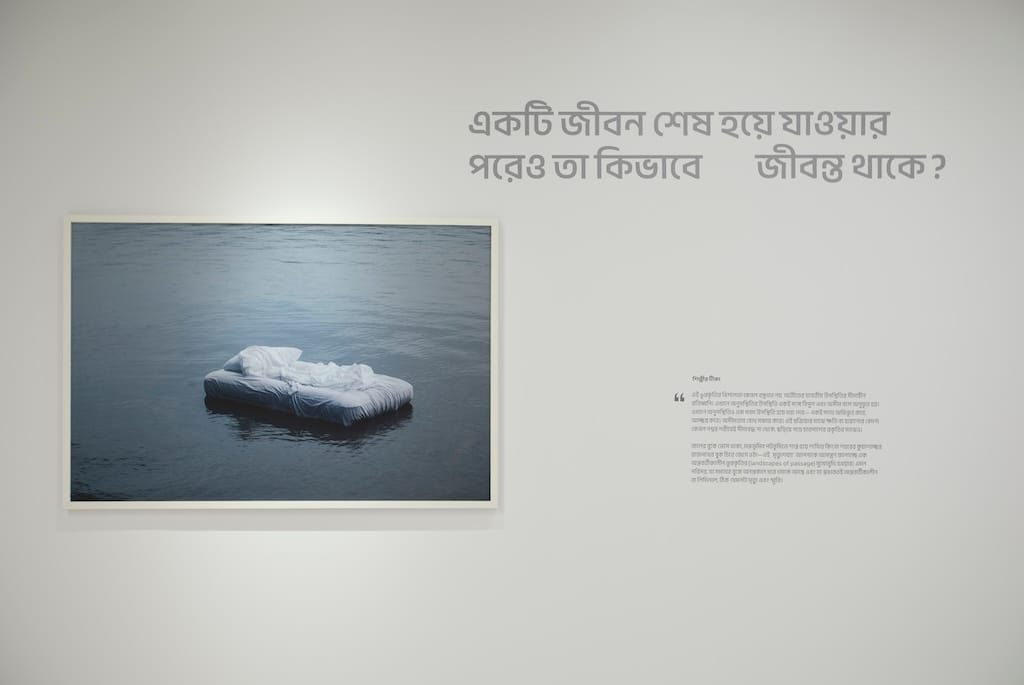
Elsewhere in the exhibition, Deathbed draws on culturally recognisable imagery associated with Indian cremation rituals. A functional stretcher is recreated as a sculptural object and placed across landscapes of water, arid terrain and urban fog. The resulting photographs consider mortality, memory and impermanence without attempting to offer a definitive resolution.
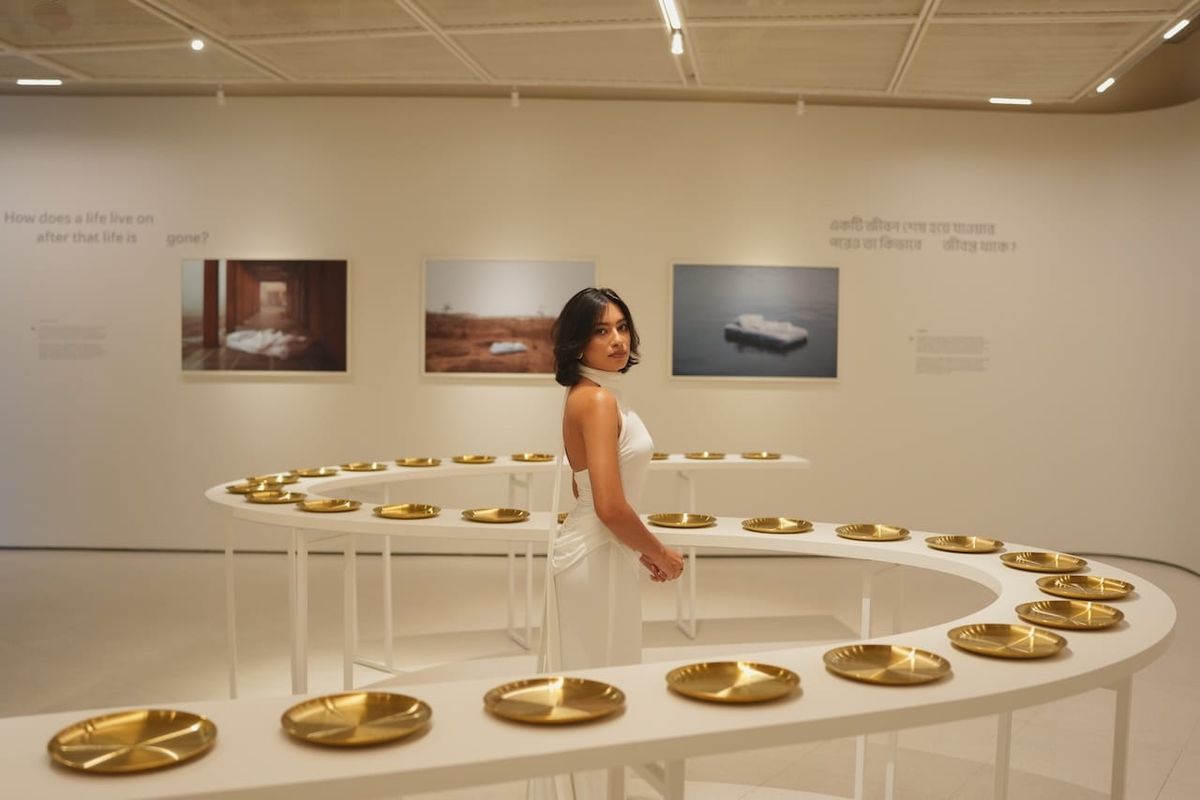
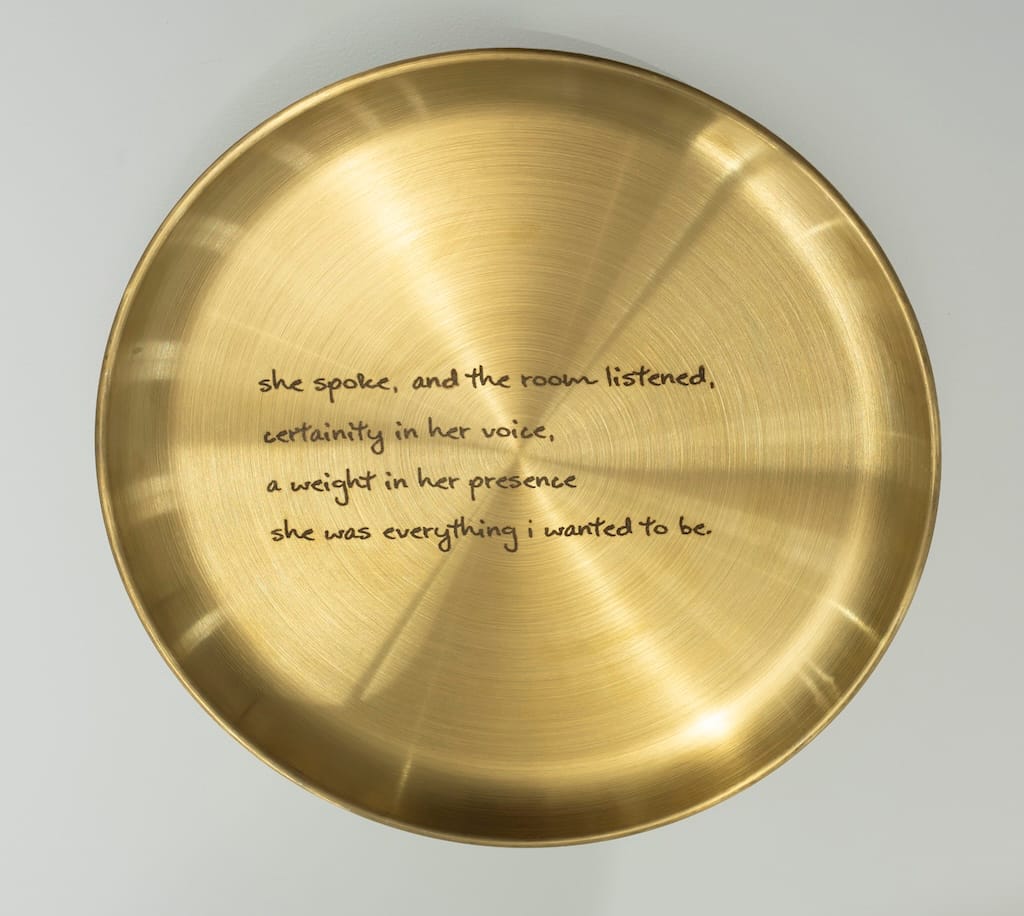
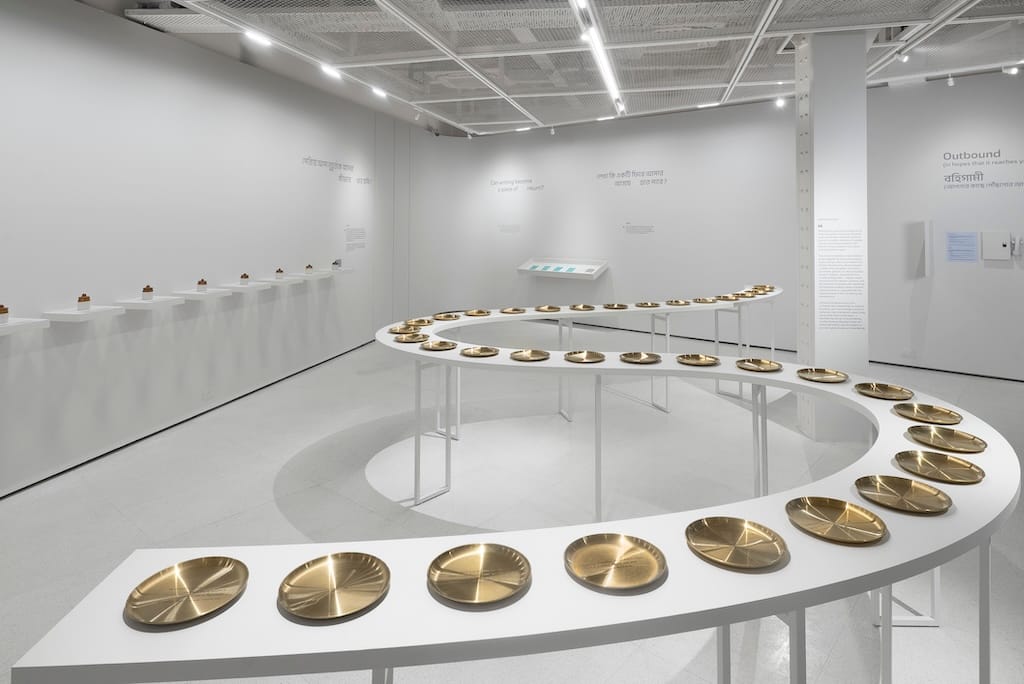
In A Portrait of Her, thirty-six etched brass plates follow the curve of an S-shaped table, referencing the initial of the artist’s mother's name. Each plate records a year of her mother's life through memories and shared moments. Letters to My Mother presents three handwritten letters on handmade paper, transforming words that can no longer be delivered into physical objects that can be encountered by others.
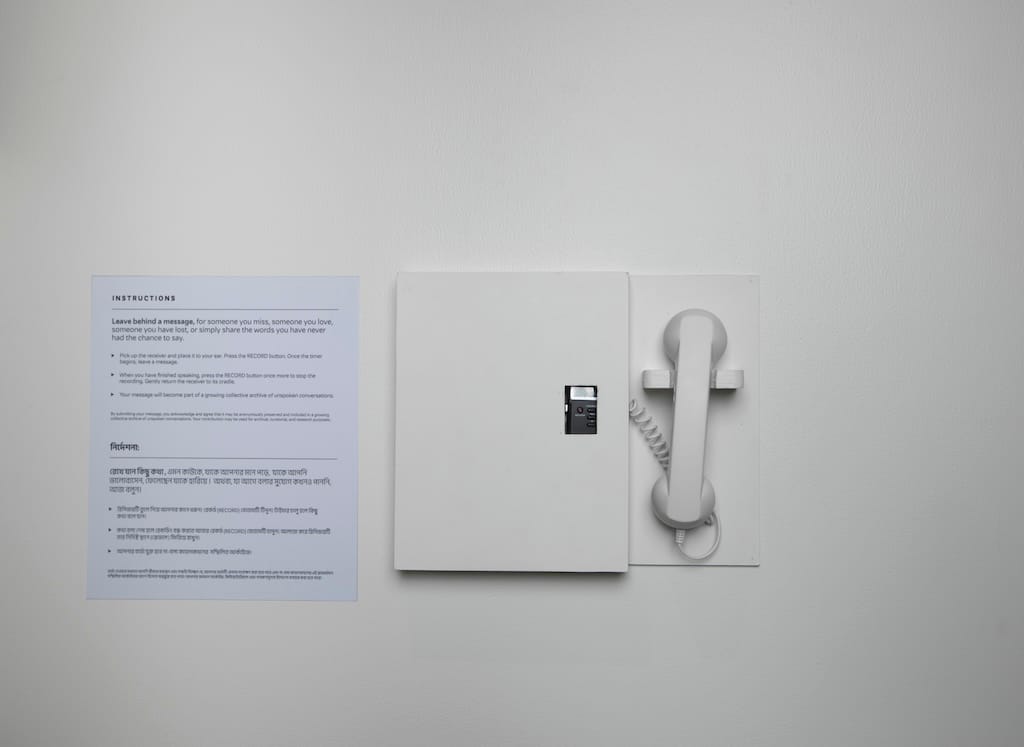
The exhibition also extends its inquiry beyond the artist's own memories through Outbound (in hopes that it reaches you), a participatory installation conceived by TRI. Visitors can pick up the receiver of a telephone booth and leave a message for someone they miss, someone they love, someone they have lost, or even their past or future selves. The recordings become part of an evolving archive of remembrance.
For (Grey), this movement from private grief to shared experience is important. “I don't think I want the viewer to leave with a single interpretation,” she says. “I would rather the work create a small space for them to encounter something of their own.”
The work begins with one person's loss, but it does not end there. “The moment a viewer brings their own memory into the work, it becomes something else,” she adds.
A room for radical rest
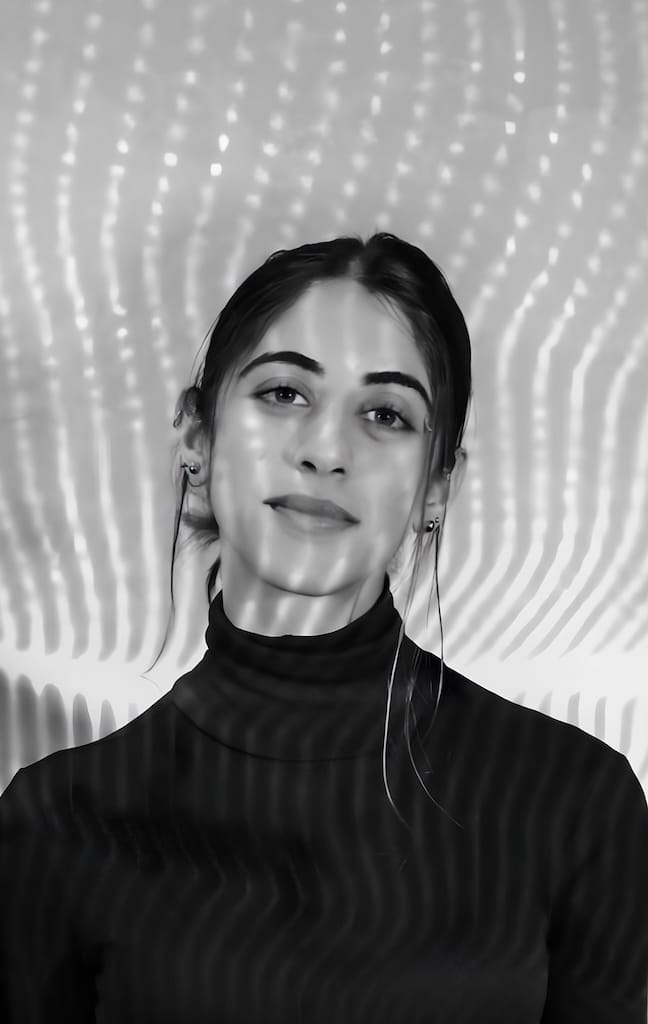
On the First Floor, Breath Work(s) offers a markedly different environment. Conceived as a restorative space, the installation with light art by Delhi-based multidisciplinary artist and certified art therapist Hansika Mangwani considers the breath as a starting point for slowing down and reconnecting with the body.
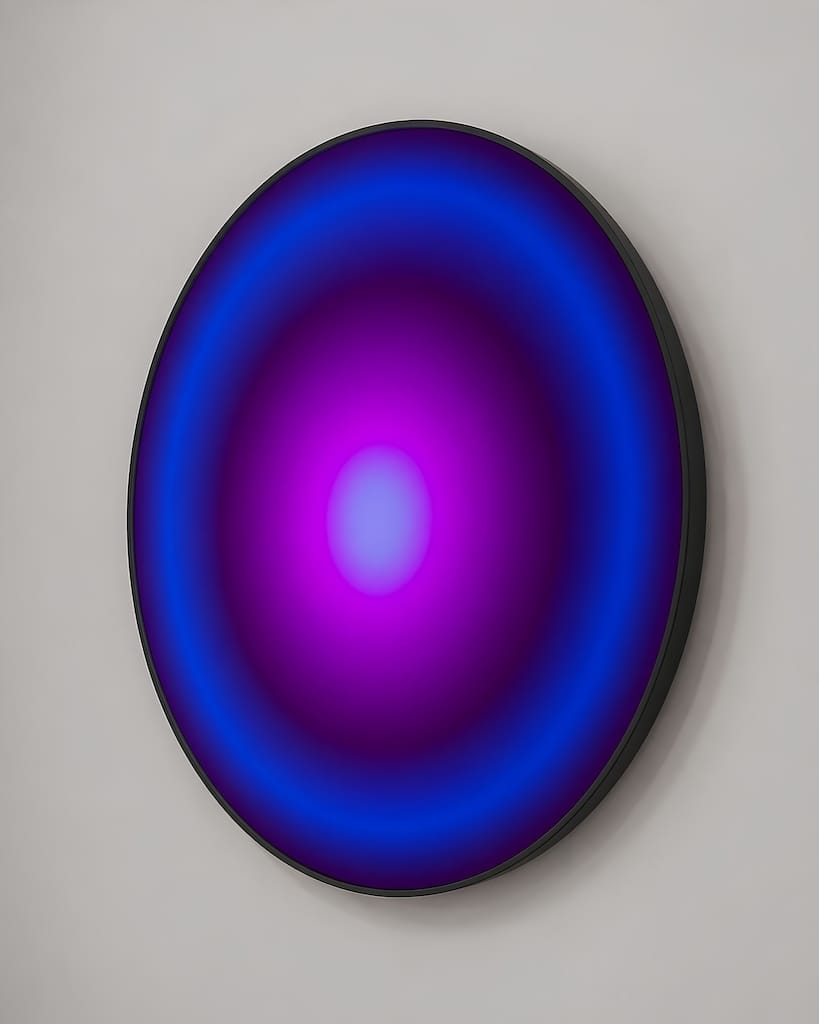
Mangwani’s contribution, Between States, uses slowly shifting fields of light and colour to explore transition, transformation and perception. Rather than representing breath literally, the work creates an environment in which visitors might become more conscious of their own rhythms.
“I’ve always been interested in things we experience in the body before we have the words for them,” Mangwani says. “Breath is a very simple example of this. We’re breathing all the time, but we rarely stop to notice it.”
Her interest in breath also led her towards the idea of entrainment, or the ways in which different rhythms can influence one another. “We have so many rhythms happening at the same time: breath, heartbeat, movement, sound, light,” she explains. “I became curious about what happens when we begin to notice these relationships, rather than experiencing them as separate things.”
This became the starting point for Between States. “I wanted the light art to carry a rhythm of its own within the space, while still allowing you to remain aware of your own rhythm within it,” Mangwani says. “The idea was never to control or direct the viewer’s breathing, but for the light to create enough of a sensory shift for them to become curious about their own rhythm.”
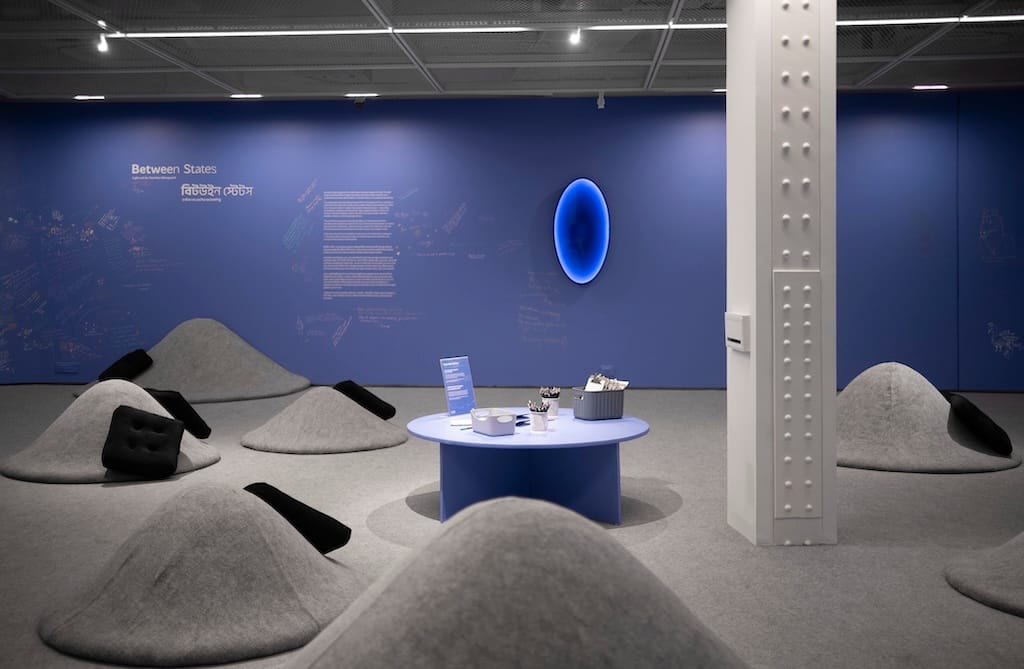
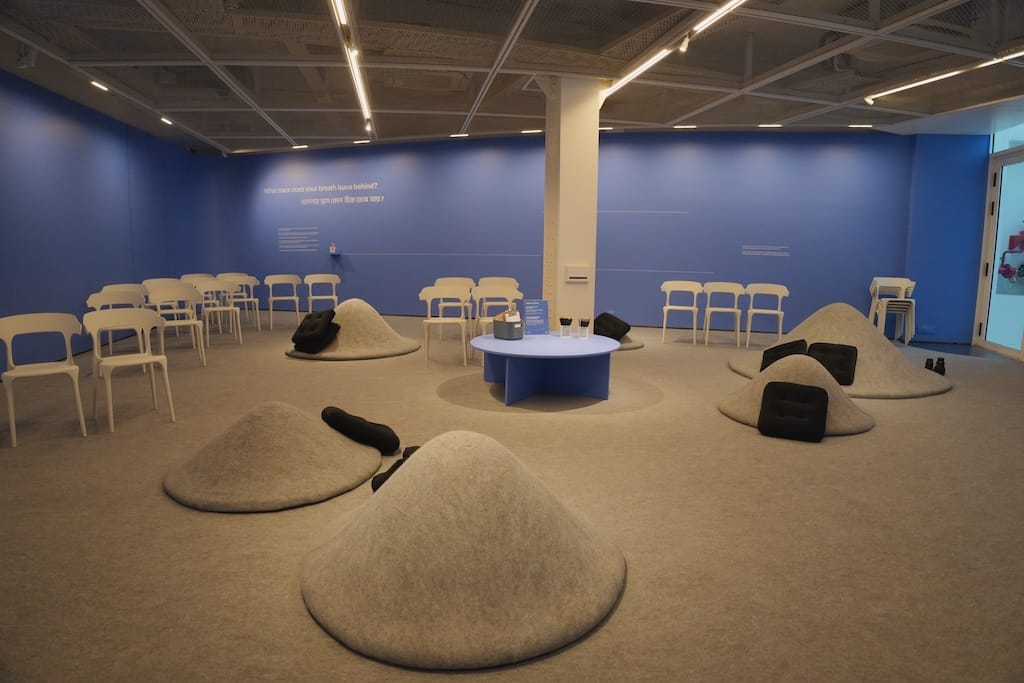
The work forms part of a larger environment designed around rest. A softly sculpted gallery floor, with subtle peaks and slopes, allows visitors to rest their bodies, while Mangwani’s pulsing light works offer a visual focus for what the exhibition describes as an open-eyed meditation.
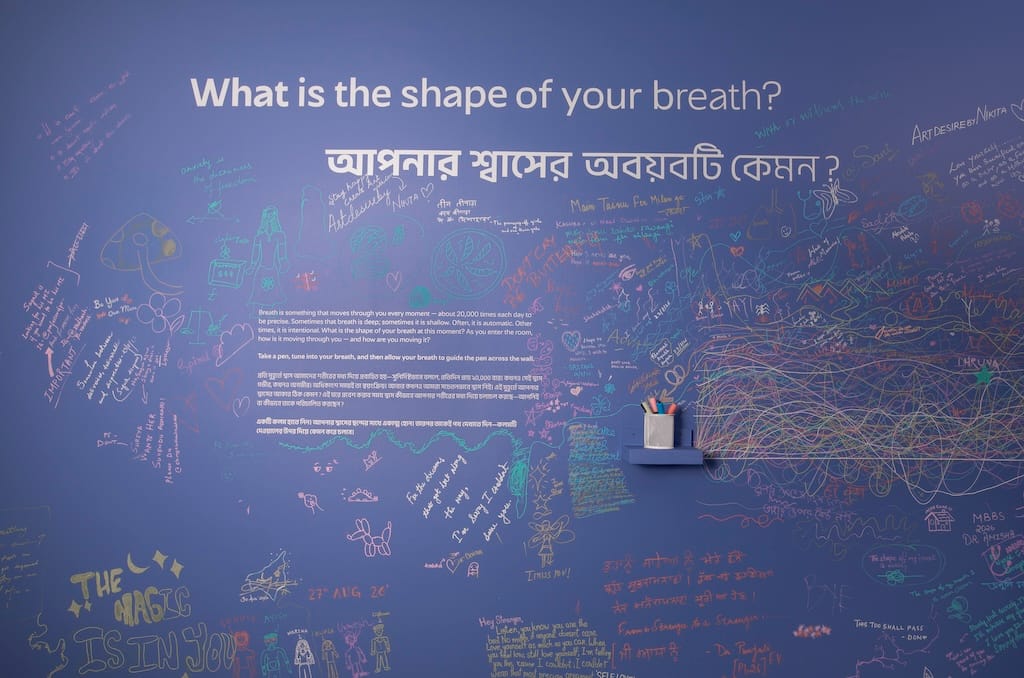
The participatory work Mapping Breath extends this attention to respiration. Visitors are invited to use a pen to trace the rhythm of their breathing across the gallery wall. Before leaving, they repeat the exercise, tracing a single slow breath after spending time in the room. The accumulated marks form a collective map of the people who have passed through the space.
The Inspiration Station offers another point of participation, providing materials for visitors to make something in response to their experience. Creative activity can become either a form of rest or a way of giving physical shape to what stillness has stirred.
For Mangwani, however, the most important element is that visitors do not feel obliged to achieve anything through the experience.
“I think radical rest is simply allowing yourself to stop,” she says. “And I say ‘simply’ because I don’t think it’s actually that simple anymore.”
In a culture increasingly shaped by productivity and constant stimulation, even rest can become another form of achievement. “We are so used to always having something playing, something to respond to, something to achieve,” Mangwani explains. “Even when we are resting, there can be this feeling that we should be doing it properly.”
For her, radical rest means removing that expectation. “You don’t HAVE to get anything out of it. You don’t HAVE to feel better afterwards. You don’t even HAVE to engage with the work in a particular way.”
“Maybe you just sit there for ten minutes and watch the light move,” she continues. “Maybe you close your eyes for a bit. Maybe your mind wanders. Maybe you do NOTHING.”
That possibility becomes particularly significant within a gallery context, where visitors are usually expected to look, interpret and move on. “I like the possibility that the light art can contribute to that larger environment of pause — and that the pause itself can become part of the experience,” she says.
What remains after the storm
Placed alongside one another, the two exhibitions create a compelling relationship. The Presence of an Absence asks how we carry someone or something that is no longer physically present, while Breath Work(s) asks what happens when we stop and become attentive to what is present within us.
Both artists also approach the idea of aftermath not as a definitive endpoint, but as an ongoing state.
“For me, aftermath is really about what stays in the body after something has happened,” Mangwani says. “An experience can be over, but that doesn’t mean we have immediately moved through it.”
In Between States, this is expressed through the changing rhythm of light and the breath of the visitor. “I wasn’t thinking about the storm itself as much as that feeling of things settling, and slowly finding a new rhythm,” she says.
For (Grey), the aftermath is more directly tied to the continuation of a life shaped by someone who is no longer there.
“I often think about this through the idea that her life made mine, and mine will always be her epilogue,” she says. “The aftermath of her is, in many ways, me being left behind as her daughter.”
The exhibition therefore becomes a way of understanding what continues after loss. “So I don’t necessarily think of aftermath as an ending,” (Grey) says. “It is the life that continues to be shaped by what came before it.”
This makes the two exhibitions particularly resonant as a single programme. One looks at what remains through memory, while the other considers what happens when we become attentive to the present. One asks how absence can be made tangible; the other explores how presence can be felt.
Both ultimately resist the expectation that art must produce an immediate answer.
“We spend so much of our time doing things that we don’t always notice what is happening in our bodies,” Mangwani says. “So if someone sits with the work for a few minutes and becomes aware of their breath, or notices how they’re feeling, that’s enough for me.”
(Grey) similarly hopes that visitors will bring their own experiences into the work. “If a smell reminds someone of a person, an object makes them think of a room they haven’t entered in years, or the work simply makes them pause and become aware of their own body for a moment, that feels meaningful to me.”