Anish Kapoor Returns to the Hayward Gallery After 28 Years
Monumental new installations, mirrored sculptures and enigmatic voids transform the Hayward Gallery as Anish Kapoor presents an ambitious exhibition that challenges perception and invites audiences to look beyond the visible world.

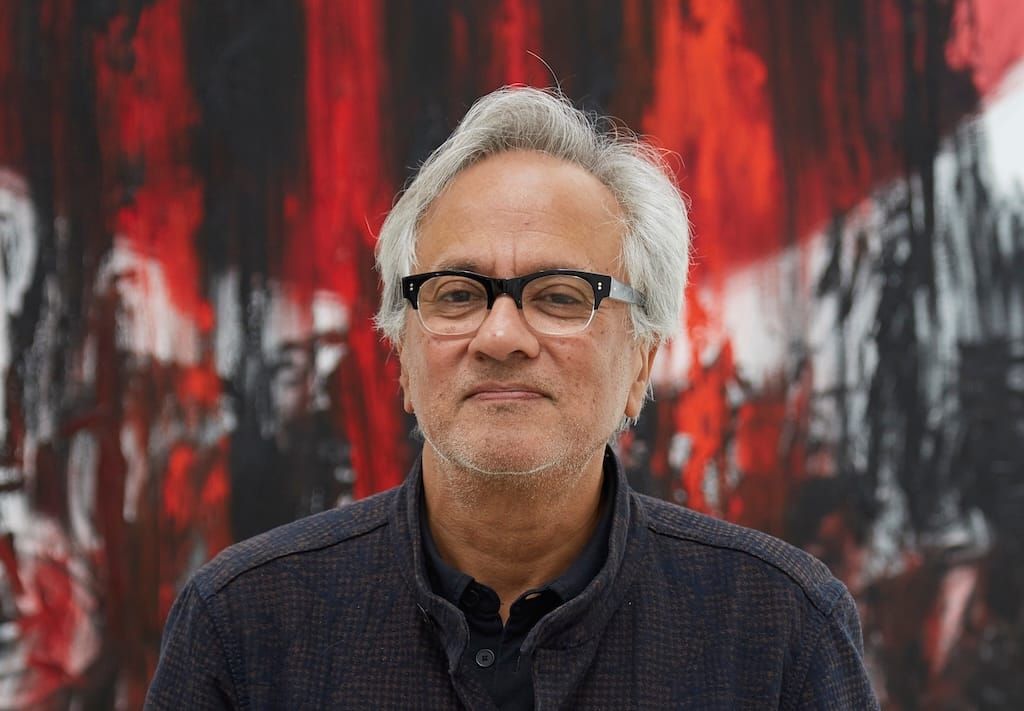
The Hayward Gallery at the Southbank Centre has unveiled a major exhibition by Anish Kapoor, marking the artist's highly anticipated return to the venue nearly three decades after the gallery staged the first major UK survey of his work in 1998.
On view until 18 October 2026, the exhibition occupies the entire Hayward Gallery and its outdoor terraces. Curated by Ralph Rugoff, the presentation brings together new commissions and significant works from across Kapoor's career, offering visitors an immersive exploration of perception, scale and materiality.
Widely regarded as one of the most influential contemporary artists of his generation, Kapoor has spent more than four decades creating sculptures and paintings that challenge conventional understandings of space, form and sensory experience. His works often blur the boundaries between presence and absence, solidity and illusion, inviting viewers to reconsider their relationship with the physical world.
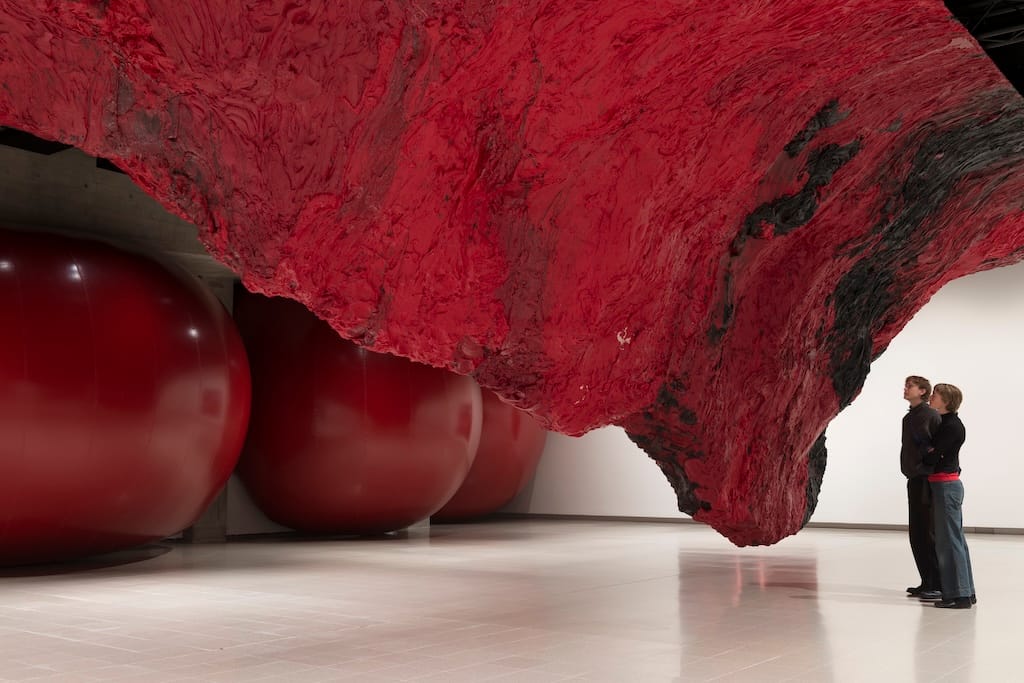
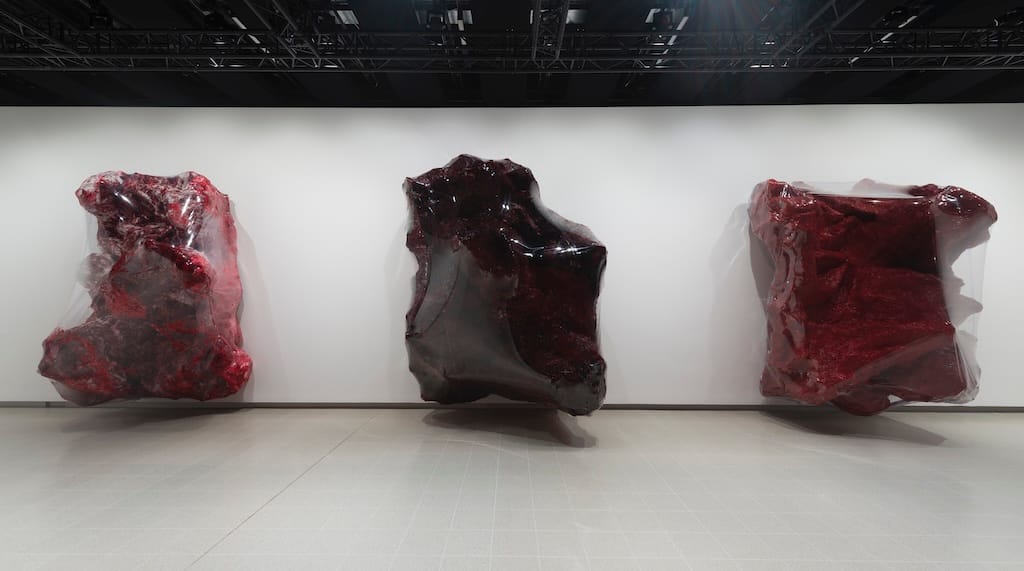
At the centre of the exhibition are three monumental installations that transform entire sections of the gallery. Visitors first encounter a vast inflated PVC membrane that completely occupies a six-metre-high gallery space, creating an overwhelming architectural intervention that alters perceptions of scale and bodily presence.
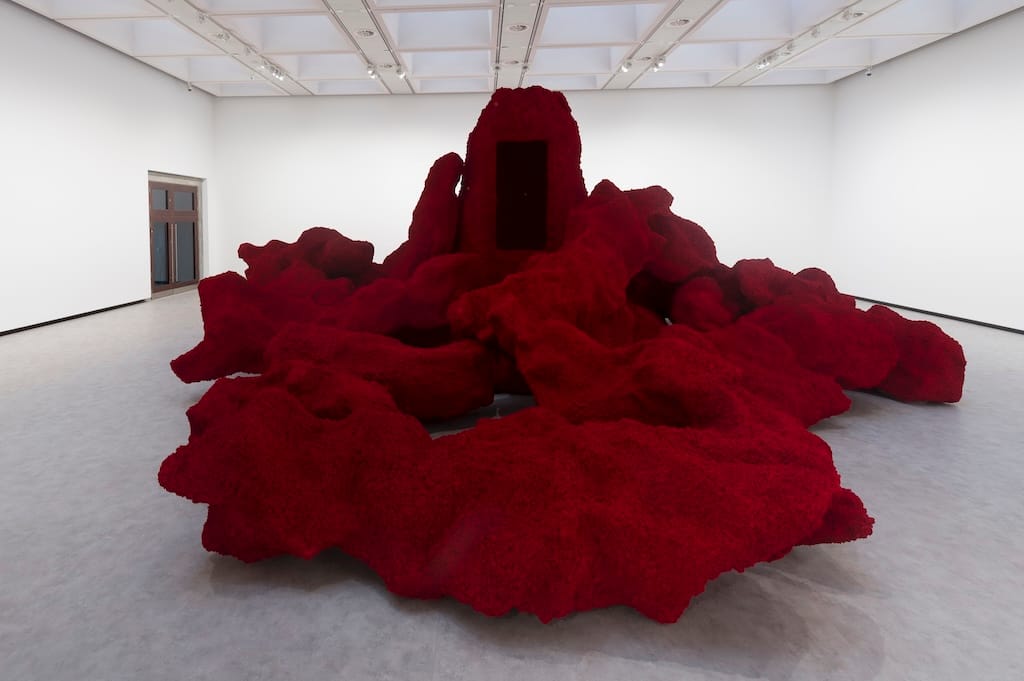
Elsewhere, a newly created work presents a dark, mountainous form rising above an expansive red landscape, while Mount Moriah at the Gate of the Ghetto (2022) appears to hover impossibly close to the gallery floor as it descends from the ceiling. Together, these works continue Kapoor's long-standing engagement with the sublime, confronting viewers with forms that are at once physically imposing and psychologically charged.
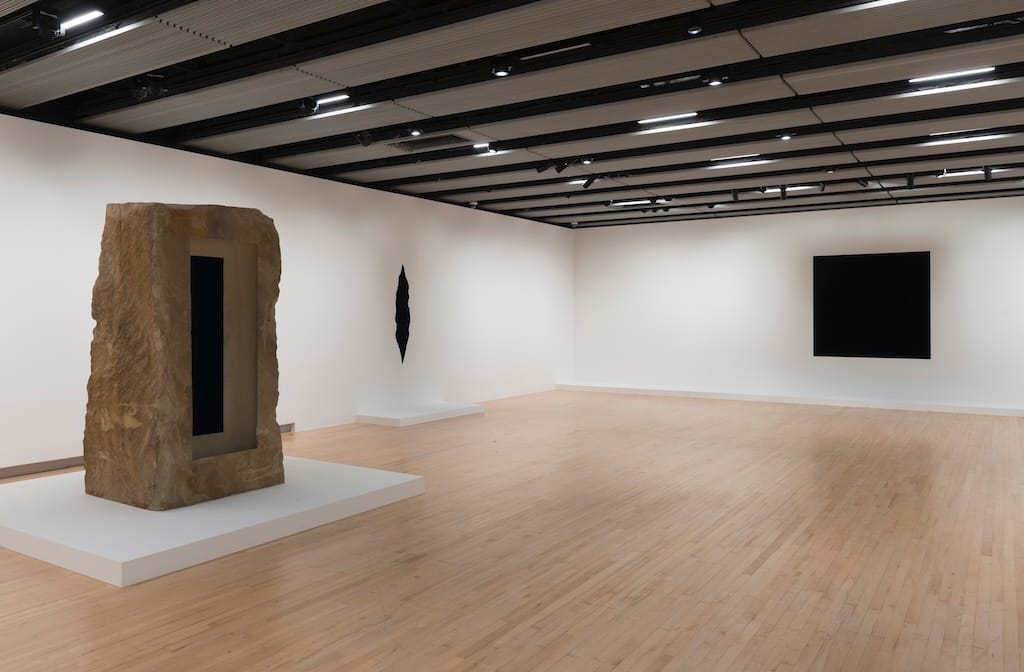
The exhibition also highlights Kapoor's celebrated investigations into perception and illusion. Visitors can encounter his enigmatic "void" works, whose apparently bottomless surfaces challenge spatial comprehension, alongside sculptures coated with Vantablack, the ultra-light-absorbing material that causes three-dimensional objects to appear almost entirely flat when viewed from certain angles.
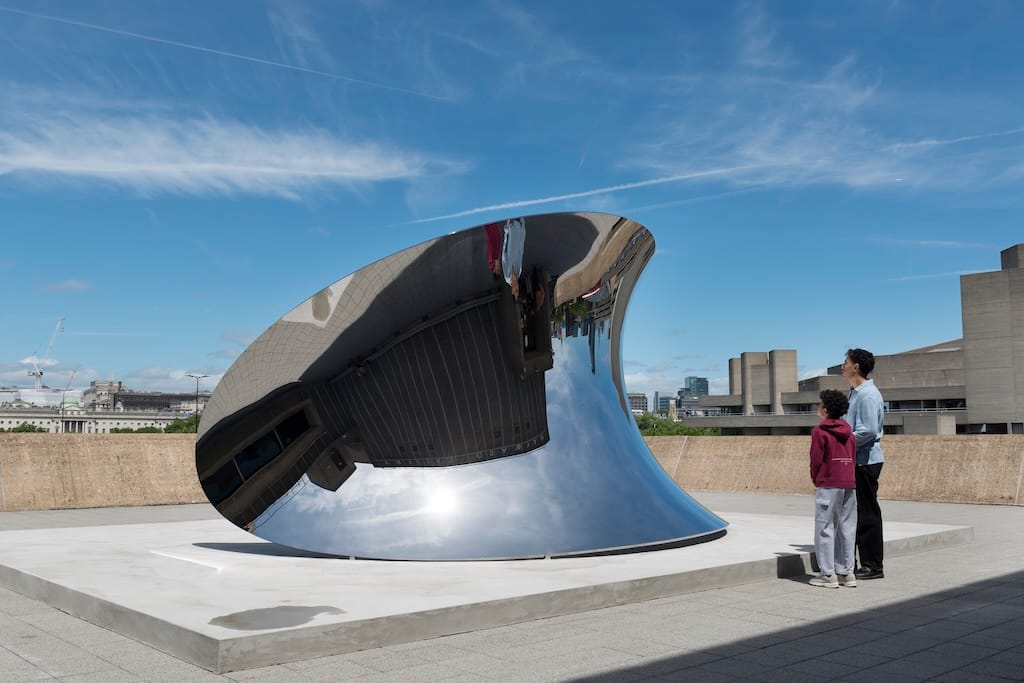
On the Hayward Gallery's outdoor terraces, large-scale mirrored steel sculptures distort and reflect their surroundings, transforming the urban landscape into shifting visual experiences. These works continue Kapoor's fascination with the instability of perception and the ways in which viewers become participants within the artwork itself.
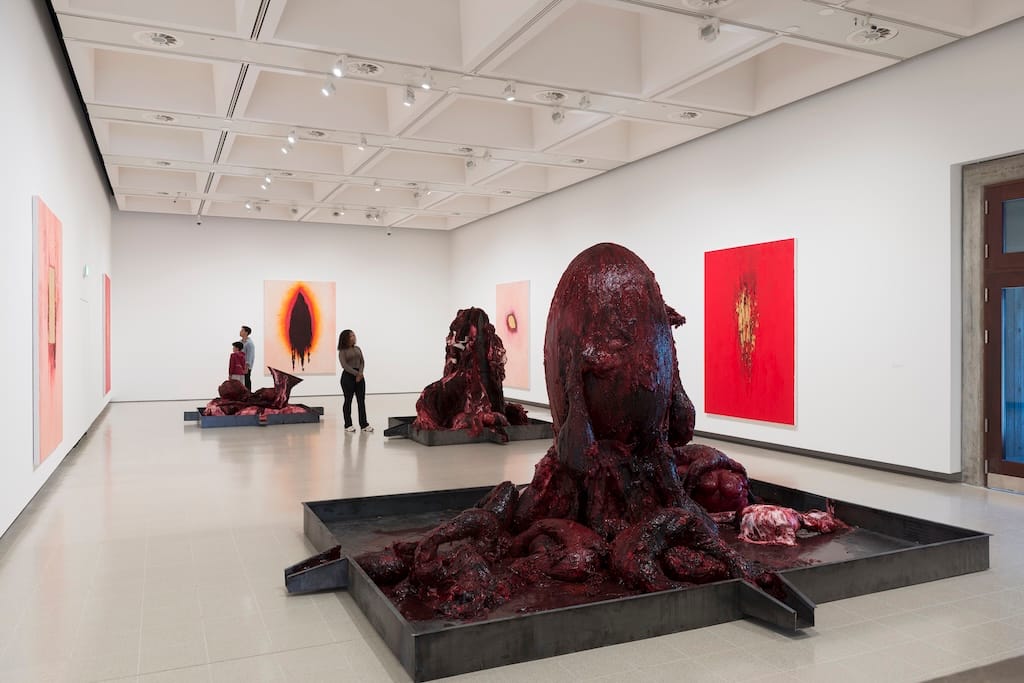
A further section of the exhibition focuses on the artist's more visceral practice of the past decade. Created using silicone, resin and pigment, these paintings and sculptures evoke bodily interiors and organic forms. Intense and often unsettling, the works invite reflection on contemporary experiences of violence, vulnerability and human existence in an image-saturated age.
Speaking about the exhibition, Rugoff noted that Kapoor's work combines sensory engagement with profound philosophical inquiry. He described the artist's ability to illuminate connections between the sublime and the abject, the spiritual and the physical, through an ambitious range of scales and materials.
Kapoor expressed his enthusiasm about returning to the Hayward Gallery after 28 years, describing the Southbank Centre as a vital force in London's cultural life and noting his honour at contributing to the institution's 75th anniversary celebrations.
The exhibition also serves as a significant moment for the Hayward Gallery itself. According to Southbank Centre Artistic Director Mark Ball, the show represents a fitting culmination of Rugoff's tenure as Director of the Hayward Gallery, celebrating two decades of influential curatorial leadership and ambitious contemporary art programming.
Alongside the exhibition, the Hayward Gallery has published a fully illustrated catalogue featuring contributions from psychoanalyst Julia Kristeva and art historians Nancy Spector and Sandhini Poddar, as well as an extensive conversation between Kapoor and Rugoff.
Additional public programming includes Touching the Quick, a series of musical performances composed by Brian Elias and performed by horn player Ben Goldscheider in response to selected works in the exhibition. Kapoor will also participate in a public conversation with author and psychoanalyst Darian Leader on 8 July 2026, exploring the psychological and philosophical dimensions of his artistic practice.
The exhibition forms a centrepiece of the Southbank Centre's anniversary celebrations and offers audiences an opportunity to engage with one of contemporary art's most distinctive voices through a series of works that challenge perception, provoke contemplation and reveal the limits of what can be seen.