What Is Beauty? From Plato to Postmodernism
From Plato’s transcendent ideals to postmodern scepticism, the meaning of beauty has continually shifted. This essay traces how artists and philosophers have redefined beauty across centuries, revealing why the question still shapes how we see and judge art today.

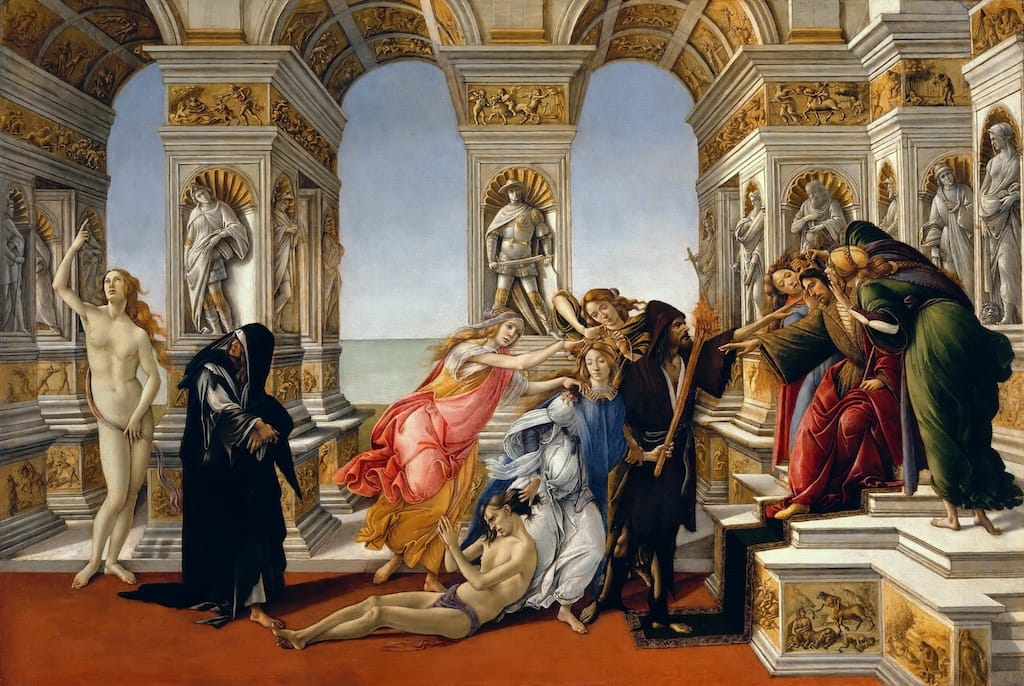
What is beauty? The question appears simple, yet it has occupied philosophers, artists and theologians for more than two millennia. Beauty shapes our response to painting, music, architecture and the natural world. It influences taste, fashion, desire and belief. It can feel immediate and instinctive, yet when we try to define it, it slips through our fingers.
From the metaphysical ideals of Plato to the scepticism of postmodern thought, the idea of beauty has been repeatedly reimagined. Is beauty an objective feature of the world, a property that can be measured and described? Or is it entirely subjective, existing only in the eye of the beholder? The history of aesthetics can be read as a sustained conversation between these poles.
Plato and the Ancient World
In the dialogues of Plato, beauty is not merely a pleasing surface. It is a reflection of a higher reality. For Plato, the world we perceive through our senses is a shadow of a deeper realm of Forms, which are eternal and perfect. Among these Forms is the Form of Beauty itself. Particular beautiful things, such as a harmonious melody or a well proportioned statue, participate in this transcendent Beauty.
In the Symposium, Plato describes a ladder of love. One begins by admiring a beautiful body, then recognises beauty in all bodies, then in minds and institutions, and finally ascends to the contemplation of Beauty itself, pure and unchanging. Beauty here is objective and metaphysical. It draws the soul upwards towards truth and goodness.
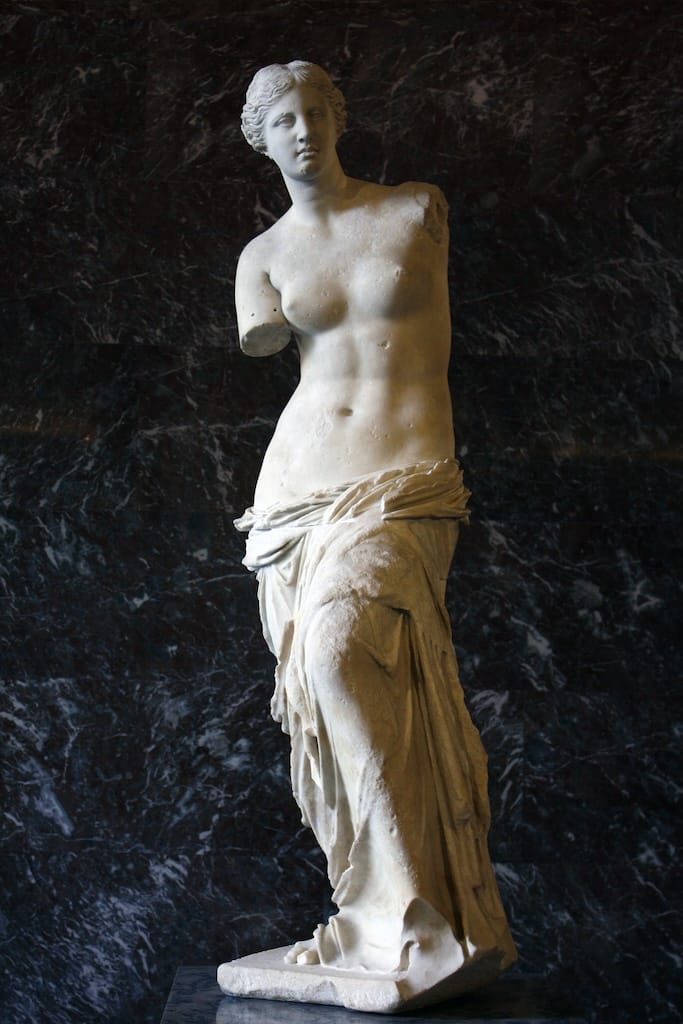
Plato’s student Aristotle offered a more grounded account. For Aristotle, beauty lies in order, symmetry and definiteness. He associated beauty with proportion and clarity. In his Poetics, he argued that a work of art should possess unity and coherence. Beauty is not an otherworldly Form but a quality embedded in structure and design.
The ancient Greeks linked beauty closely with harmony and measure. In sculpture and architecture, mathematical proportion was considered essential. The Parthenon was admired not simply for its ornament but for its balance and rational order. Beauty was bound up with reason.
Medieval Thought
In the medieval period, beauty was understood within a theological framework. Christian thinkers such as Augustine of Hippo and Thomas Aquinas saw beauty as a reflection of divine order.
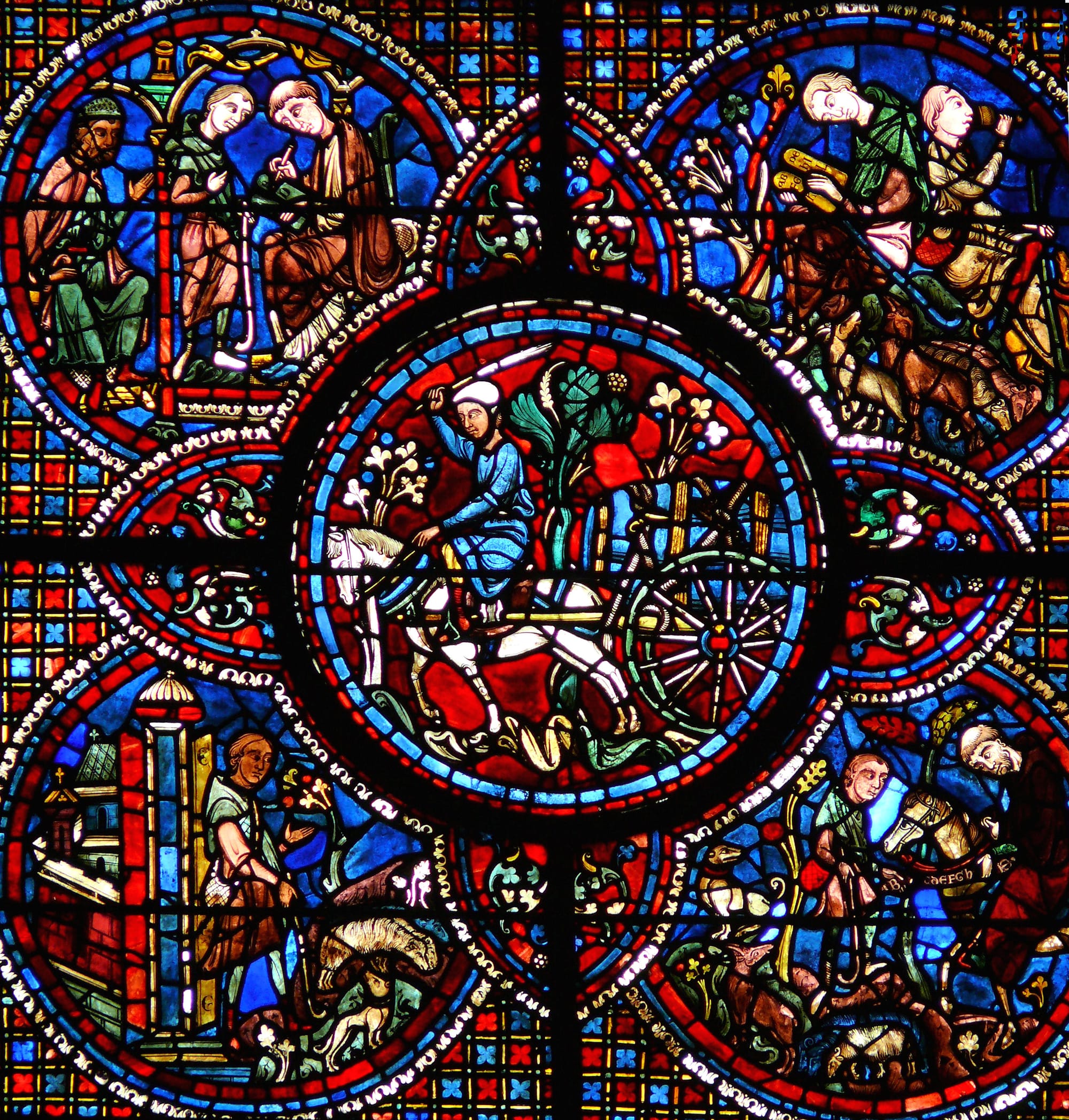
Augustine described beauty as unity in diversity. For him, harmony and proportion revealed the presence of God. Aquinas elaborated this into three criteria for beauty: integrity, proportion and clarity. A thing is beautiful if it is complete, well proportioned and radiant in form. Beauty, truth and goodness were considered inseparable. To experience beauty was to glimpse the divine.
In medieval art, this understanding shaped visual language. The gold grounds of Byzantine icons and the luminous stained glass of Gothic cathedrals were not designed for naturalistic realism. They sought to express spiritual radiance. Beauty served revelation.
Enlightenment Aesthetics
The Enlightenment brought a shift. Philosophers began to examine not only what beauty is, but how we experience it. The focus moved from the object to the perceiving subject.
In the eighteenth century, thinkers such as David Hume argued that beauty is not a quality in things themselves. In his essay Of the Standard of Taste, Hume famously wrote that beauty exists in the mind which contemplates them. Different minds perceive different beauties. Yet he did not surrender to total relativism. He believed that refined taste, developed through practice and comparison, could approach a standard.
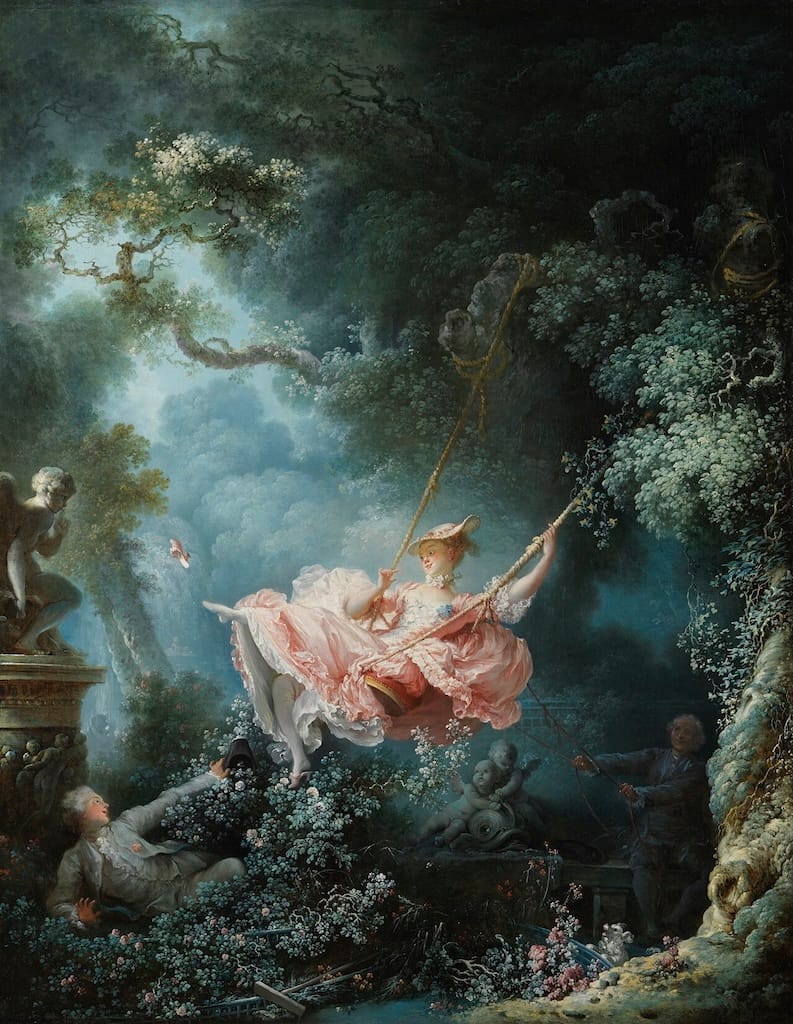
Immanuel Kant provided one of the most influential accounts in his Critique of Judgement. For Kant, a judgement of beauty is subjective, because it arises from feeling rather than from concepts. However, it carries a claim to universality. When we call something beautiful, we expect others to agree, even though we cannot prove our judgement logically.
Kant described beauty as the experience of purposiveness without purpose. A beautiful object appears as though it were designed for our contemplation, yet it serves no practical end. This free play between imagination and understanding produces pleasure. Beauty is neither purely objective nor entirely arbitrary. It arises in the interplay between mind and world.
Romanticism and the Sublime
The Romantic movement expanded the aesthetic vocabulary. Beauty was no longer confined to harmony and proportion. Wild landscapes, ruins and storms entered the canon of the aesthetically powerful.
The concept of the sublime, explored by Edmund Burke and later by Kant, described experiences that overwhelm or even terrify us. Towering mountains or vast oceans produce awe rather than gentle pleasure. The sublime challenges the tidy classical equation of beauty with balance.
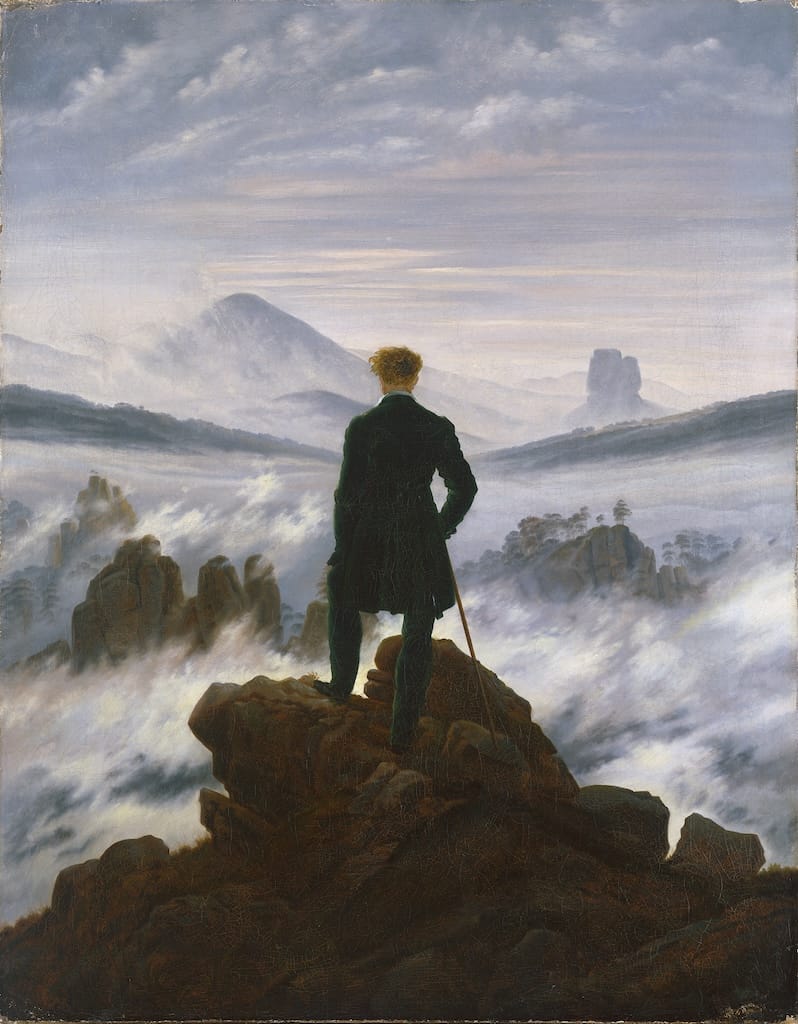
For Romantic artists and poets, beauty became intertwined with emotion, individuality and imagination. The artist was seen as a visionary figure who reveals hidden depths of experience. Beauty was no longer simply order. It could include intensity, melancholy and even darkness.
Modernism
The nineteenth and early twentieth centuries witnessed radical transformations in art. The rise of industrial society, urbanisation and new technologies disrupted inherited forms. Beauty itself came under scrutiny.
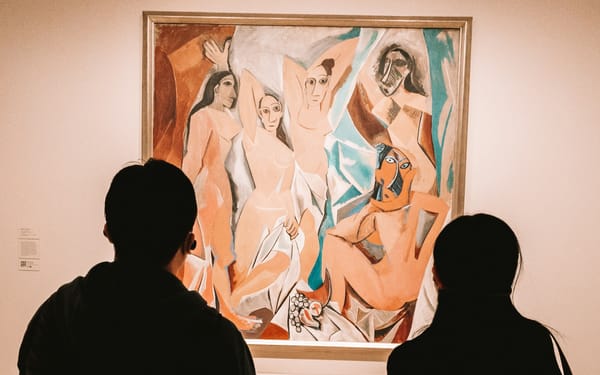
With movements such as Impressionism, Cubism and Abstract Expressionism, traditional ideals of representation and proportion were abandoned. The fractured planes of Pablo Picasso or the colour fields of Mark Rothko did not conform to classical harmony. Yet many viewers experienced them as profoundly beautiful.
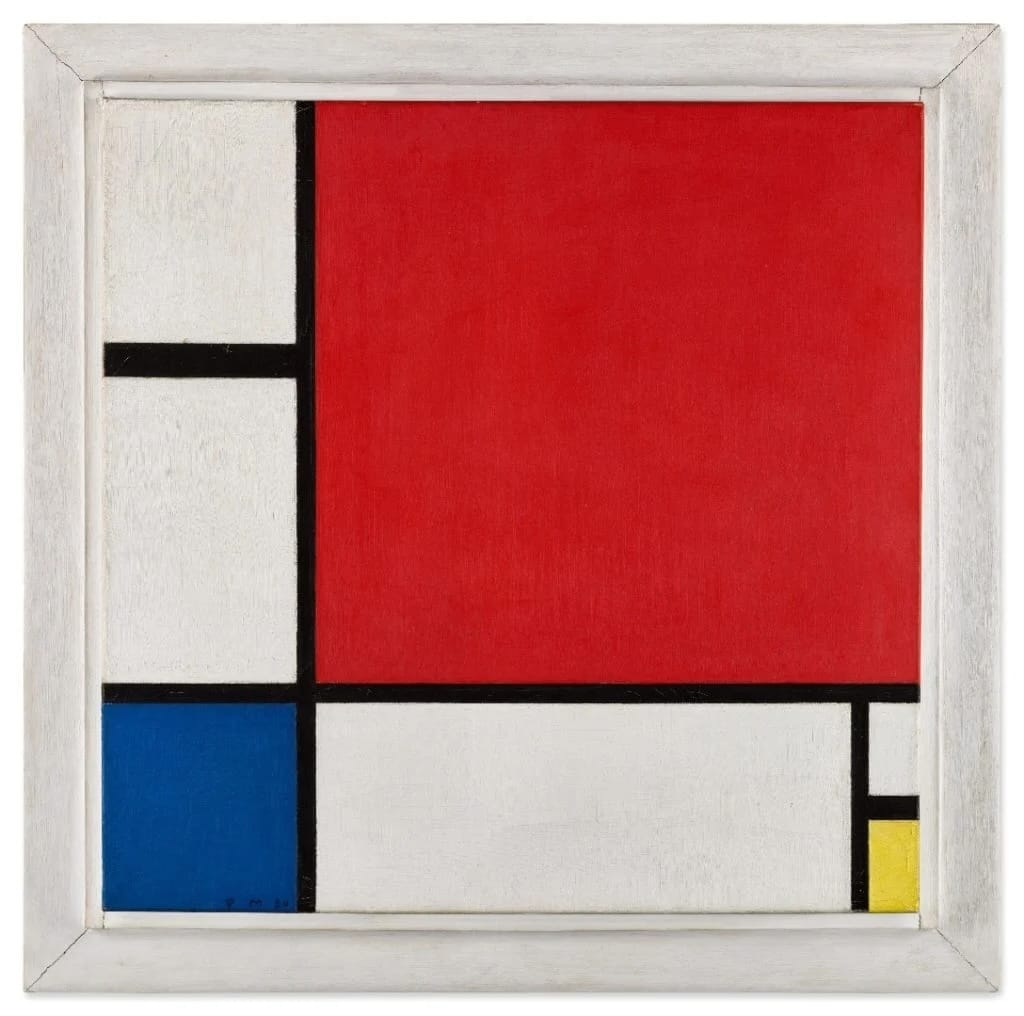
Modernist critics often spoke of formal beauty, focusing on line, colour and composition rather than narrative content. Clive Bell proposed the idea of significant form, arguing that certain arrangements of shapes and colours evoke aesthetic emotion regardless of subject matter.
At the same time, beauty was no longer considered the sole aim of art. The avant garde frequently sought to shock or disturb. The urinal presented as art by Marcel Duchamp raised uncomfortable questions. If art can consist of an ordinary object placed in a gallery, what becomes of beauty?
Postmodernism
By the late twentieth century, postmodern thought questioned grand narratives and universal standards. Beauty, once regarded as a timeless ideal, was seen as culturally constructed and historically contingent.
Feminist and postcolonial theorists argued that dominant standards of beauty had often excluded or marginalised certain bodies and cultures. What counts as beautiful may reflect power structures rather than eternal truths. Advertising, cinema and social media reveal how ideals of beauty are shaped by commerce and ideology.

In postmodern art, irony and appropriation frequently replace sincerity. Artists may deliberately undermine conventional beauty. Works that appear fragmented, raw or conceptually driven resist easy aesthetic pleasure. Beauty is not abolished, but it is destabilised.
Yet it would be simplistic to claim that postmodernism rejects beauty altogether. Rather, it pluralises it. Beauty becomes one value among many, not the ultimate criterion.
Objectivity or Subjectivity?
Across this history, two positions recur. One insists that beauty is objective, rooted in proportion, harmony or divine order. The other emphasises subjectivity, cultural context and individual response.
Contemporary neuroscience adds another layer. Studies of the brain suggest that certain patterns and symmetries tend to elicit pleasure across cultures. Evolutionary psychologists argue that preferences for particular forms may have adaptive roots. At the same time, anthropological research demonstrates wide variation in aesthetic standards.
Perhaps beauty emerges from a dynamic interaction between shared human capacities and specific cultural frameworks. We are embodied creatures with perceptual tendencies, yet we are also shaped by language, education and social norms.
Between Commerce and Contemplation
In our own moment, beauty occupies an ambiguous place. On one hand, it is commodified. The beauty industry, design culture and curated social media feeds trade relentlessly on visual appeal. Beauty becomes branding.
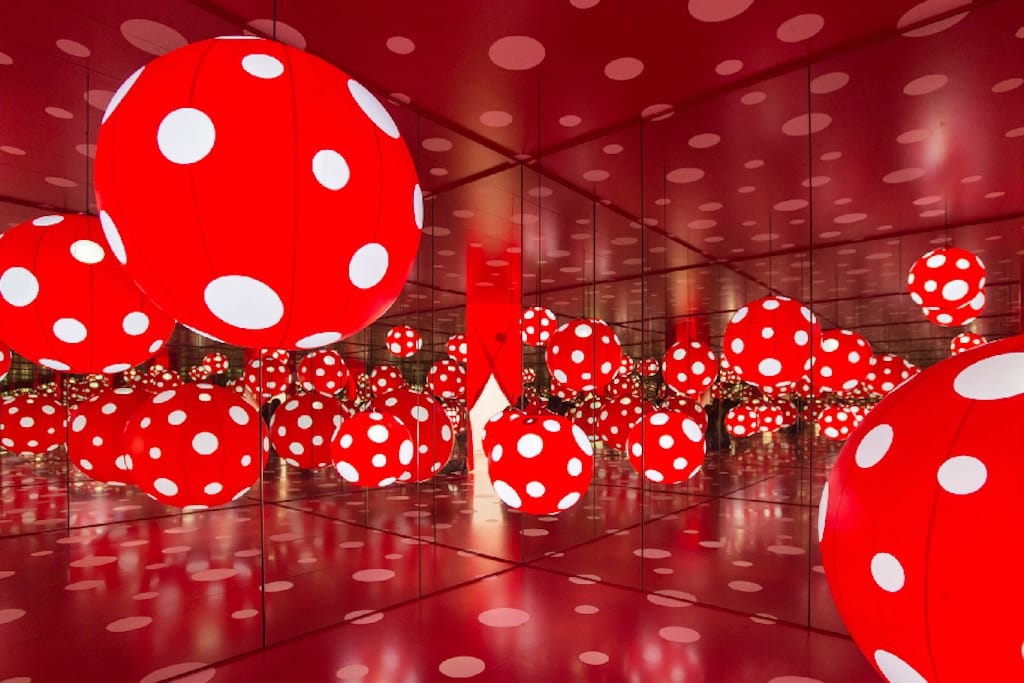
On the other hand, many artists and thinkers call for a renewed seriousness about beauty. After decades of irony and critique, there is a growing desire for works that offer contemplation and meaning. Exhibitions devoted to colour, light and sensory experience suggest that beauty remains compelling.
In architecture and urban design, debates about beauty have re-emerged. Should public buildings prioritise visual harmony and human scale? Or should they privilege innovation and conceptual daring? The question of beauty is not merely academic. It shapes the environments in which we live.
A Working Understanding
So what is beauty?
It may be helpful to think of beauty not as a single property but as a mode of experience. Beauty arises when we encounter a form that feels coherent, meaningful or resonant. It involves pleasure, but not only pleasure. It can also involve recognition, longing or even sorrow.
From Plato’s transcendent Form to postmodern plurality, beauty has never stood still. Each era redefines it according to its metaphysics, politics and artistic practices. Yet the persistence of the question suggests something enduring. Human beings continue to seek, create and debate beauty because it touches a fundamental dimension of our lives.