Mumbai Gallery Weekend 2026: A City in Exhibition
Mumbai Gallery Weekend 2026 brings together 33 galleries and six institutional spaces across the city, presenting exhibitions that span material experimentation, memory, urban life and contemporary artistic practice over four days in January.

Mumbai Gallery Weekend 2026 returns for its 14th edition, unfolding across the city as a concentrated moment when Mumbai’s galleries open their strongest exhibitions in unison. From 8 to 11 January, 33 galleries and 6 institutional parallels invite audiences into a four-day circuit that reflects the breadth of contemporary practice today, spanning material experimentation, historical inquiry, social engagement and deeply personal artistic vocabularies.
This year brings a notable shift in rhythm. Galleries open daily at 12 noon, rather than the traditional evening openings, and remain open through Sunday, 11 January, the only Sunday of the year when all participating spaces are accessible at once. The result is a more expansive and walkable experience that encourages slower looking and deeper engagement across neighbourhoods.
A City-Wide Conversation
Spread across Colaba, Fort, Kala Ghoda, Ballard Estate, Worli, Bandra West, Kemps Corner and Khotachi Wadi, Mumbai Gallery Weekend 2026 transforms the city into a living exhibition map. The weekend underscores how contemporary art in Mumbai is no longer confined to a single idiom or generation. Instead, it moves fluidly between modernist legacies, emerging voices, craft traditions and speculative futures.
Material, Memory and the Handmade
Material intelligence emerges as a strong undercurrent this year. At 47-A, Khotachi Wadi, Gul’s Wolf reimagines the charbagh as a garden formed from post-industrial scrap, an ecology shaped by loss and anticipation. Akara Modern revisits the sculptural grammar of Piraji Sagara, foregrounding how matter itself can hold memory, while Gallery Prologue brings renewed attention to Vijay Singh Mohite’s kinetic abstractions from 1970s Gwalior, infused with musical rhythm and environmental colour.
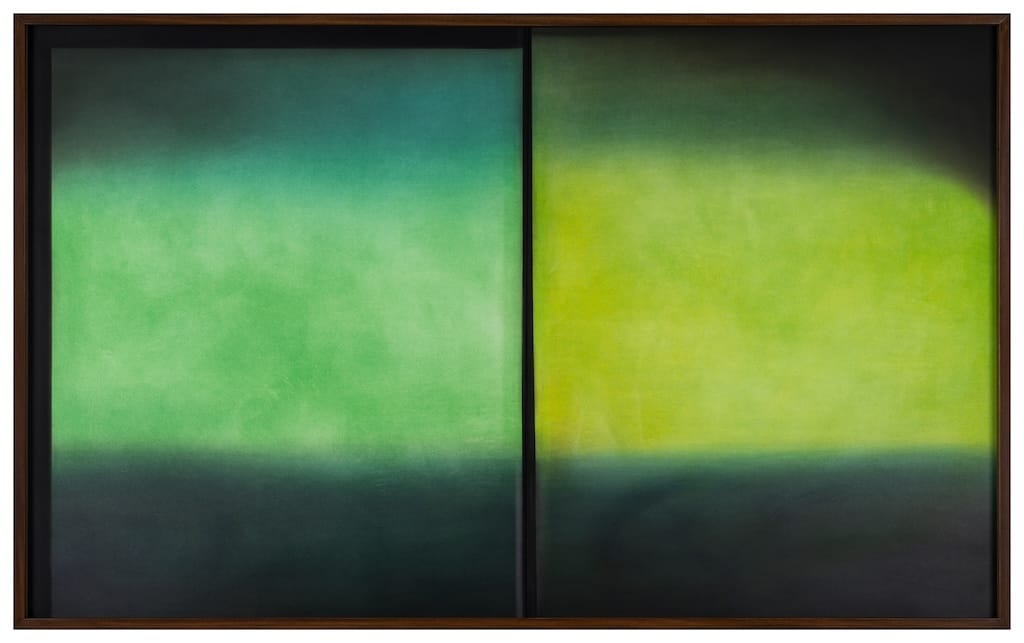
Embroidery, wood, terracotta, bronze and textile recur across venues, not as nostalgic gestures but as contemporary tools of thought. From Anupa Mehta Contemporary Art’s intergenerational textile narratives to Tao Art Gallery’s malleable terracotta landscapes, the handmade asserts itself as both political and poetic.
Landscape, City and Environmental Reckoning
Several exhibitions turn their gaze outward, engaging with the city and its ecological pressures. Experimenter, Colaba presents Prabhakar Pachpute’s Lone Runner’s Laboratory, a deeply reflective continuation of his long engagement with mining landscapes and their human toll. Fulcrum’s cityinflux documents Mumbai’s overlooked in-between spaces, while Priyasri Art Gallery at Kathiwada City House gathers multiple artists responding to the city’s garbage mountains, using waste itself as both material and metaphor.
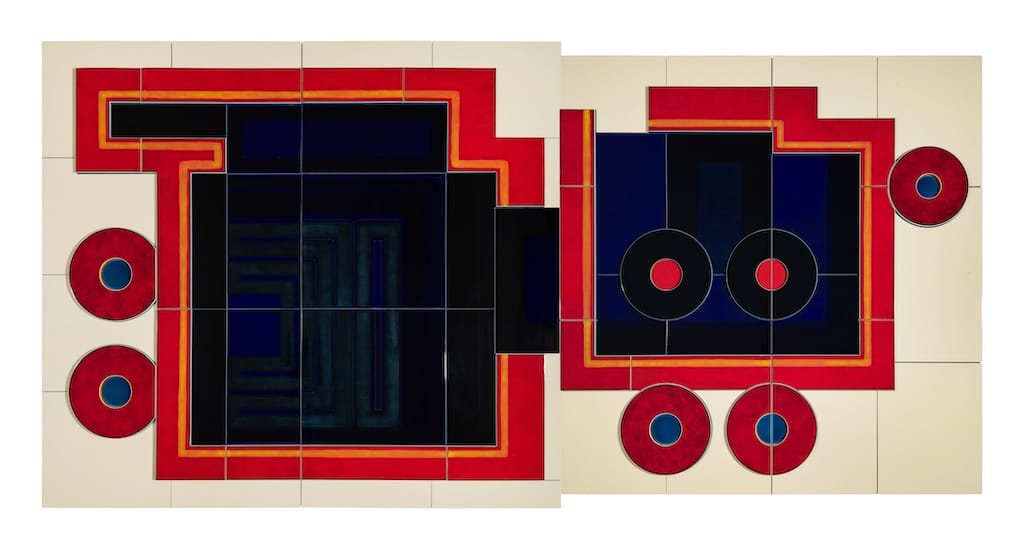
At Nature Morte, Kamrooz Aram interrogates Modernism’s uneasy relationship with ornament, collapsing distinctions between painting, architecture and display, an inquiry that resonates strongly within Mumbai’s layered visual environment.
Inner Worlds and Psychological Landscapes
Equally compelling are exhibitions rooted in interiority and emotional states. Chemould CoLab’s debut solo by Rachita Dutta captures the quiet discomforts of adulthood with childlike clarity, while Method Kala Ghoda offers Dheer Kaku’s reflections on stillness and architectural refuge. Project 88’s Anpu Varkey reframes fifteen years of urban mark-making into a meditation on pause, gesture and melancholic quiet.
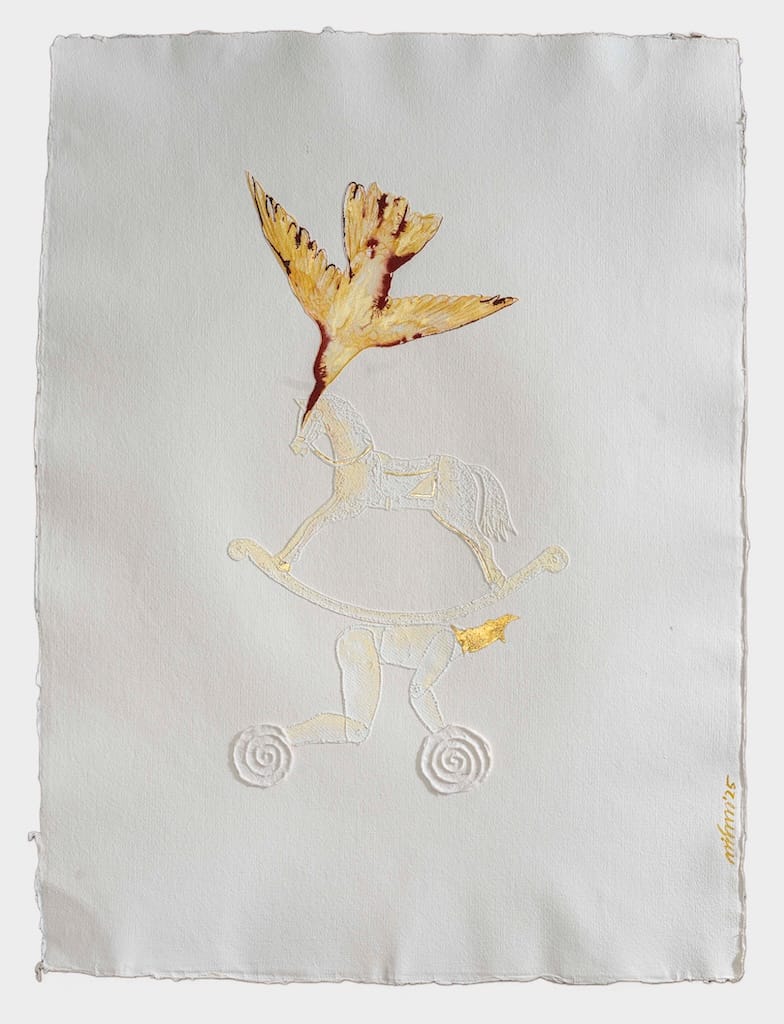
Performance, participation and the body surface powerfully at Chemould Prescott Road, where Mithu Sen’s What Do Birds Dream at Dusk? dissolves boundaries between viewer and artwork, transforming spectators into active participants.
Histories Revisited, Legacies Reframed
Mumbai Gallery Weekend has always balanced the contemporary with the historical, and 2026 is no exception. DAG traces the city’s evolution through centuries of portraiture, while Subcontinent foregrounds Jyoti Bhatt’s experimental photography, treating the photograph as a worked surface long before digital manipulation became commonplace.
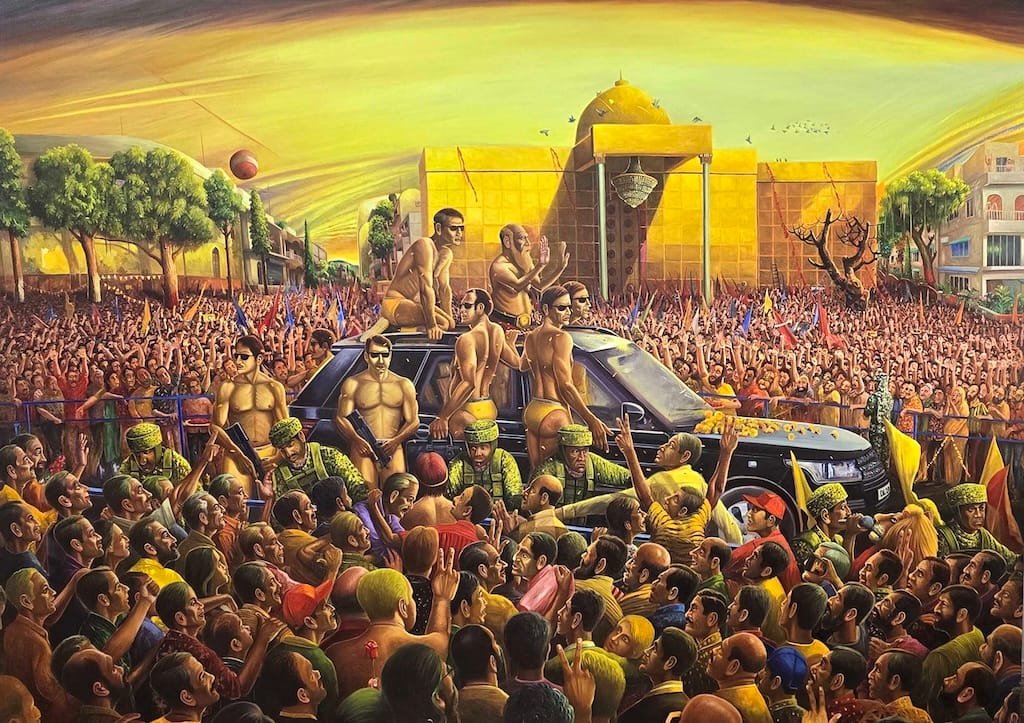
A significant milestone unfolds at Sakshi Gallery, which marks 40 years with The Fourth Wall, a presentation of artists, archival material and moments that have shaped the gallery’s four decades, situating contemporary practice within a longer institutional arc.
Why Mumbai Gallery Weekend 2026 Matters
What distinguishes Mumbai Gallery Weekend 2026 is not just its scale, but the density of ideas it brings together. Across 39 spaces, the exhibitions collectively suggest that contemporary art in Mumbai is confident, plural and unafraid of contradiction, moving between craft and concept, intimacy and monumentality, critique and beauty.
For collectors, curators, students and first-time viewers alike, Mumbai Gallery Weekend remains an unparalleled opportunity to encounter the city’s artistic ecosystem in one concentrated moment. More than an event, it is a reminder that Mumbai’s galleries continue to function as sites of experimentation, dialogue and sustained cultural thinking, well beyond the weekend itself.