Maharaja Gajsingh II: From Kingship to Custodianship
Recognised as ruler at the age of four, Maharaja Gajsingh II reflects on heritage, responsibility and identity, and how the legacy of Marwar continues through institutions, culture and the lasting values of its people.

The story of princely India is often told through nostalgia, architecture and ceremony. Yet the life of Maharaja Gajsingh II offers a very different perspective, one shaped less by power than by responsibility.
The newly published Bapji: The King Who Would Be Man, by Yogi Vaid and Aman Nath, traces the remarkable journey of the Maharaja of Marwar-Jodhpur, who was recognised as ruler at the age of four and later lived through one of the most profound transitions in modern Indian history. Richly illustrated and deeply personal, the book captures a life defined not by nostalgia but by stewardship.
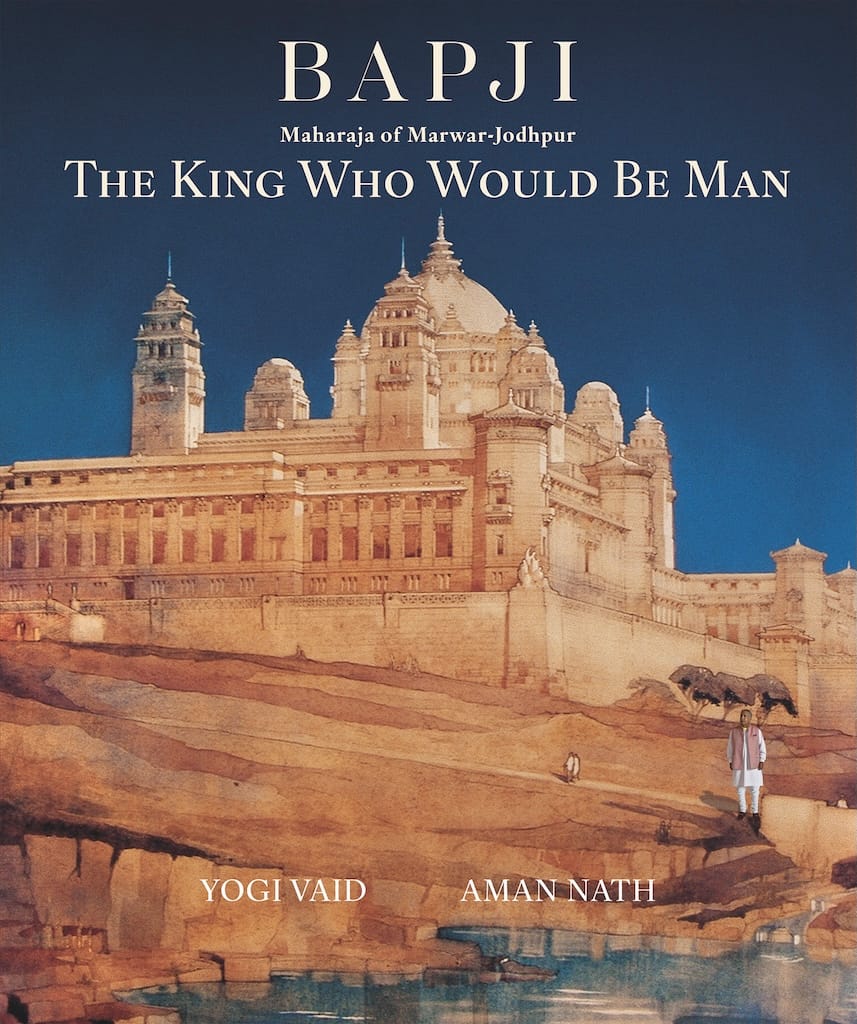
Over the decades, Maharaja Gajsingh II has redefined what the custodianship of heritage can mean in contemporary India. Through initiatives such as the Mehrangarh Museum Trust, the restoration of historic sites and internationally recognised cultural festivals, he has played a pivotal role in placing Jodhpur firmly on the global cultural map.
In this conversation, he reflects on responsibility, identity and legacy, and on the lasting values that connect the history of Marwar with the realities of the modern world.
Nikhil Sardana: The title of the book suggests a conscious transition from king to citizen. When did you personally feel that this shift was not merely constitutional, but deeply human?
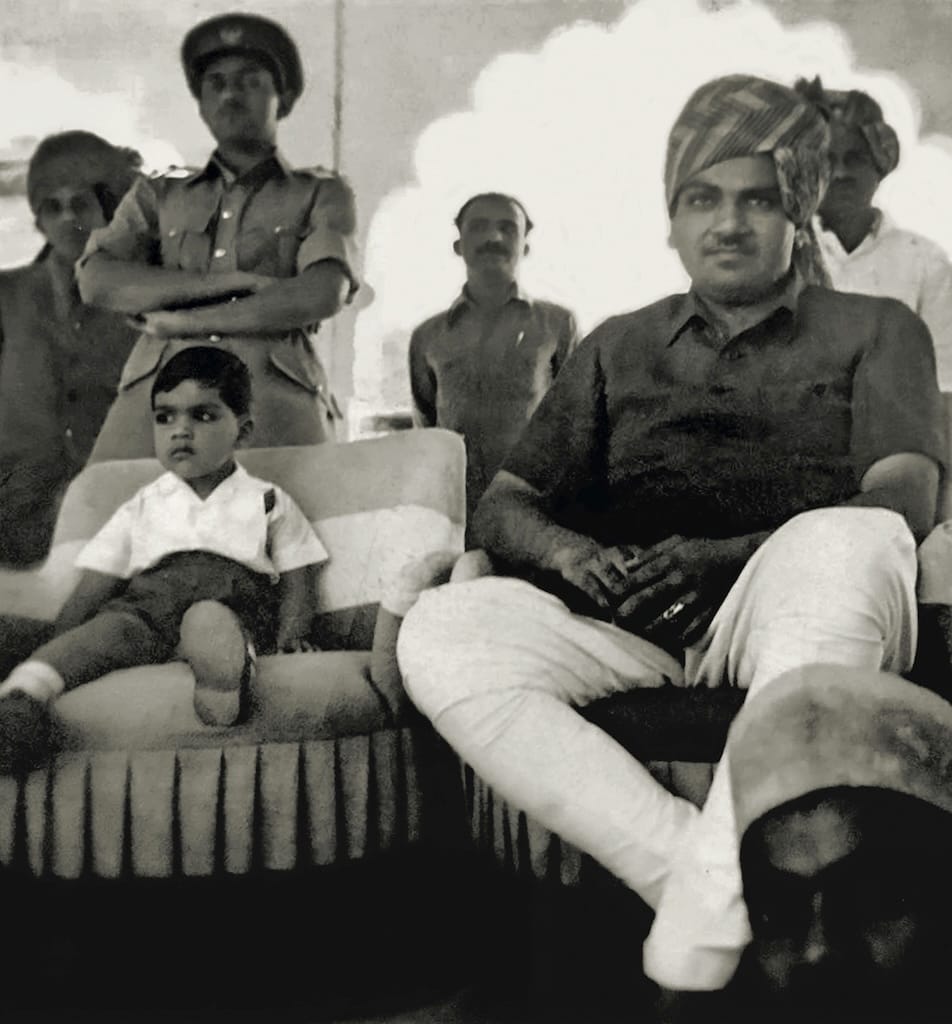
Maharaja Gajsingh II: In fact, I was never really a king in the traditional sense, although I was recognised at the age of four only as titular “Maharaja”. That recognition continued for a period as the country underwent structural changes, but eventually that formal status came to an end too.
For me, however, it was always a process rather than a single moment. From a very early age I understood that I had a responsibility. That understanding was shaped by my mother and my grandmother. They instilled in me the idea that our connection to the people of Jodhpur and to the land itself was far more important than any title.
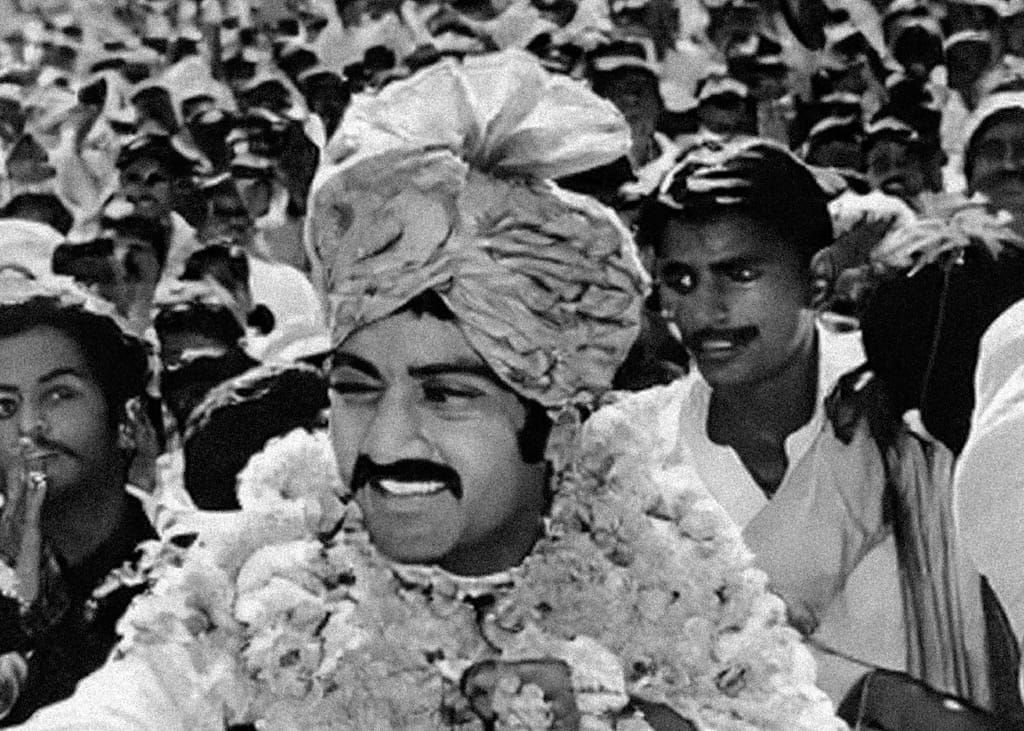
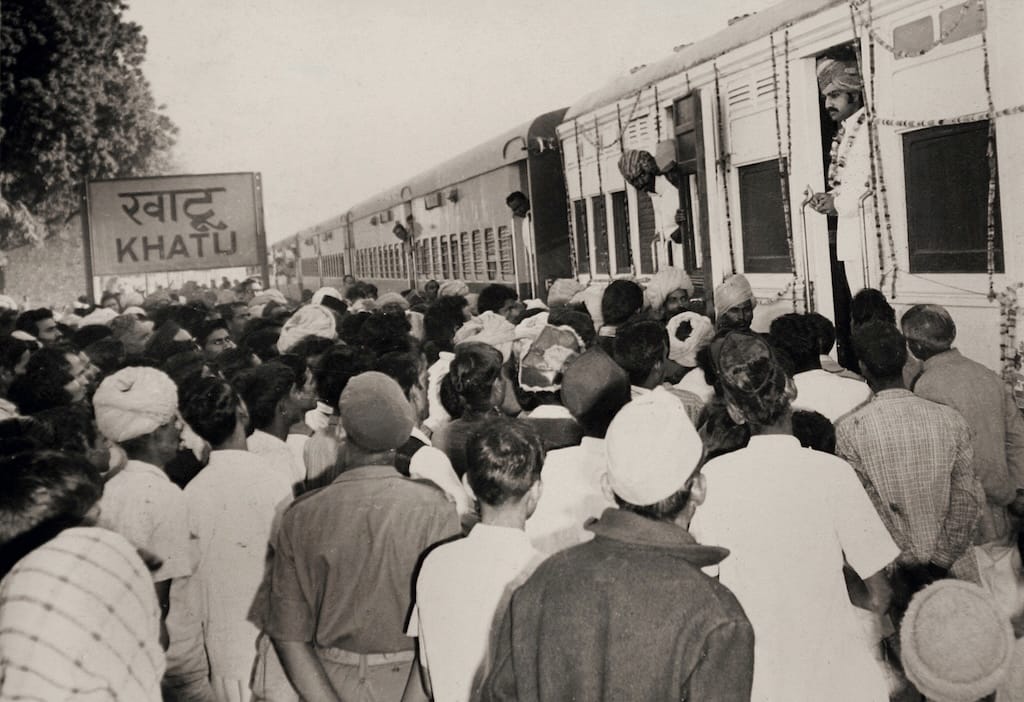
There was one moment that deeply affected me. In November 1970, when I returned to Jodhpur by train, small crowds began appearing at stations as the train entered Marwar early in the morning. As the journey continued the crowds grew larger and larger.
By the time we arrived in Jodhpur around noon, the station was completely packed. There was hardly room to move. You can see photographs of that moment in the book. I was completely overwhelmed. I realised that people clearly had expectations of me. Yet at that moment I had neither power nor experience. I asked myself why they showed such affection to someone they did not yet know personally.
I understood that it was because of the legacy of my ancestors, because of what my grandfather and father had done. At that moment, I realised that regardless of changing circumstances, my connection with the people would remain. That connection, with the land and the people of Marwar, was something far deeper than any formal title.
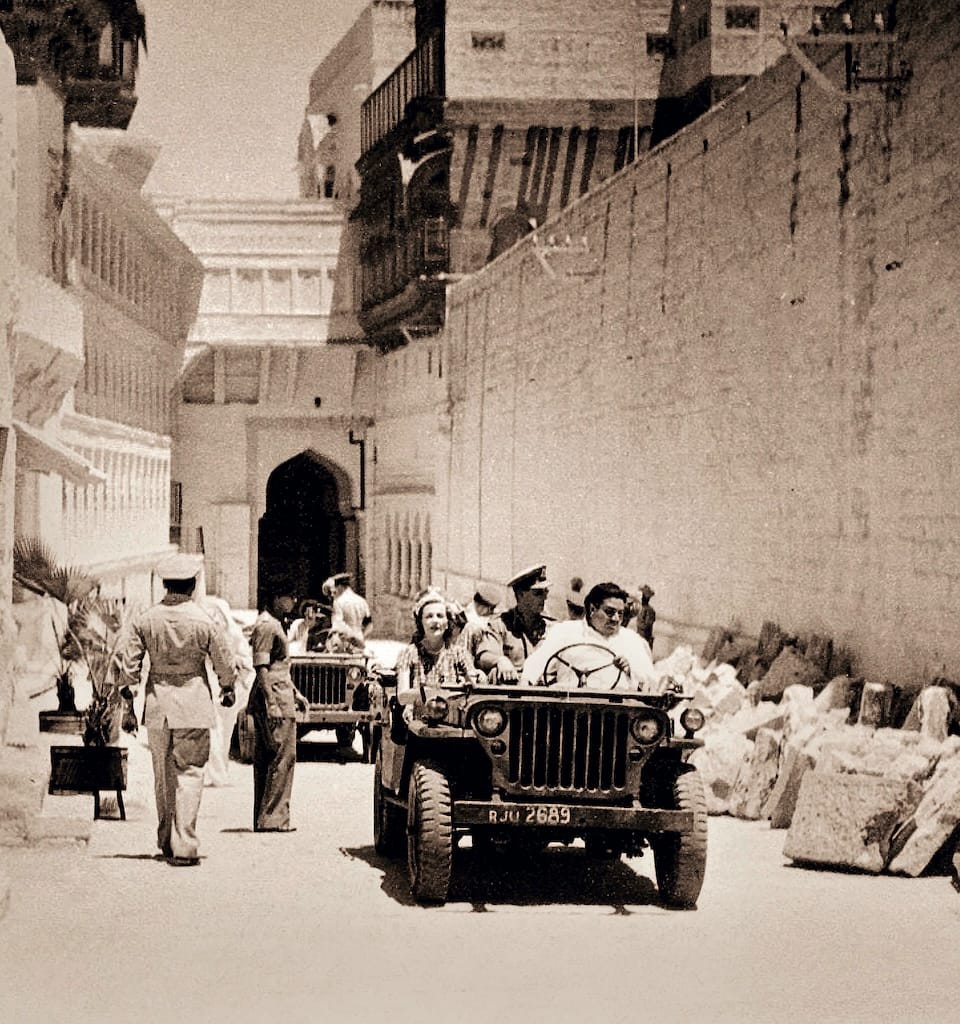
NS: You were crowned as a child under extraordinary circumstances in 1948. How did that early encounter with duty shape your understanding of responsibility?
Maharaja Gajsingh: It was indeed an unusual time. When I was born, the state of Jodhpur had not yet formally become part of the wider national framework, so technically I was born into a separate regional entity. Later I went to England for my education. When I returned after university, the transition required some adjustment. I had been living as a student in England, surrounded by friends and a particular way of life.
Returning to India meant recognising that my identity was different. My friends could choose their careers freely after university. I realised that I already had a role, even if it was not formally defined.
I understood that I held no formal authority, but I still had a responsibility. So, I began to reorganise and rebuild the institutions connected with our heritage. I created companies, trusts and foundations that could help us remain connected to the people.
Through these institutions we were able to contribute in meaningful ways, even in a changing environment. Gradually that engagement strengthened my connection with Jodhpur and with the people of the region.
NS: The book speaks of a transition from traditional roles to service. How did you personally come to embrace that transition?
Maharaja Gajsingh: The transition was something that unfolded over time. My father had a very deep bond with the people of Marwar and was widely respected by them. He therefore embraced democratic India with outstanding election results. His life, however, ended tragically in a plane crash, which brought that chapter of our family history to a sudden close.
When I returned to Jodhpur as a young man, the circumstances around the institution of princely status were already changing rapidly.
I did have the opportunity at one stage to observe work at a national level as a member of the Rajya Sabha for a brief period. It was an interesting experience, but it also made me realise that my real contribution lay in Jodhpur itself.
That is where my roots were, and that is where I felt I could serve most meaningfully. So, I decided to focus on building institutions and cultural initiatives in Jodhpur. Through trusts, foundations and heritage projects I felt I could contribute in a constructive and lasting way.
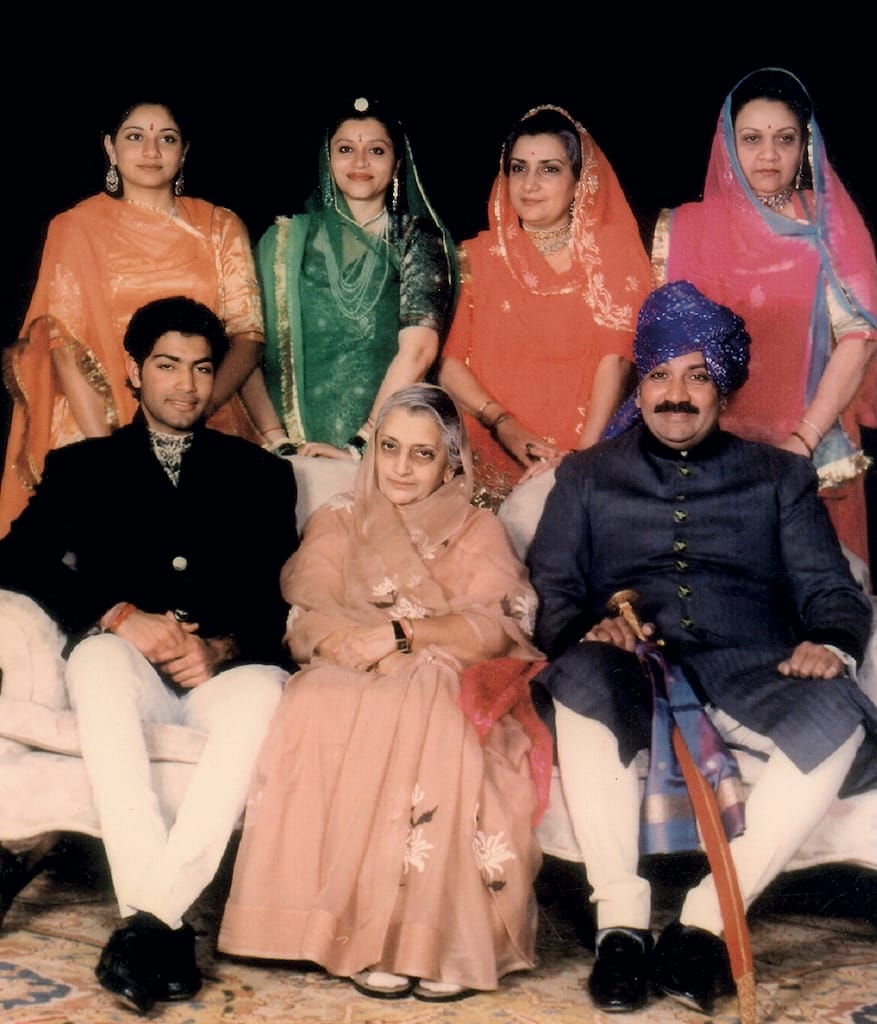
NS: Marwar carries more than seven centuries of Rathore history. Through museums, festivals, restoration projects and cultural initiatives, you have played a major role in placing Jodhpur on the global cultural map. How do you balance reverence for that inheritance with the need to reinterpret it for a modern India?
Maharaja Gajsingh: In the years following India’s early reorganisation, Jodhpur became somewhat overlooked. Jaipur became the capital of Rajasthan, and much of the focus shifted there.
Tourism began developing strongly in cities like Jaipur and Udaipur, but Jodhpur was not receiving the same attention. One of my aims was to bring Jodhpur back onto the world map.
In 1972 we converted Umaid Bhawan Palace into a hotel. Initially we ran it ourselves and later brought in professional management. The idea was to create a sustainable way of preserving heritage and sustaining the employment of our departments.
At the same time, Mehrangarh Fort was developed into a museum so that the collections and history of the region could be shared with the public. Gradually many initiatives followed: festivals, exhibitions, restoration projects and collaborations with scholars and artists from around the world. These developments evolved naturally through interactions with people who shared similar interests in heritage and culture.
Often, I feel that many opportunities appeared unexpectedly by some divine hand and encouraged us to continue. Today my daughter manages many of the commercial activities, while I remain closely involved with the foundation and cultural initiatives. It continues to give me great satisfaction.
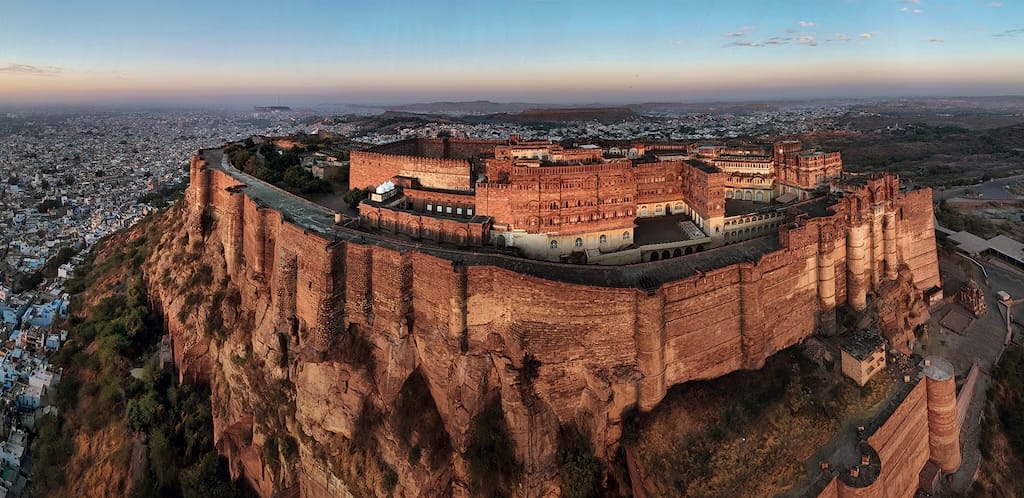
NS: Much of your work today involves heritage conservation, water initiatives and community engagement. Do you see this custodianship as a continuation of kingship?
Maharaja Gajsingh: For me it is simply part of life. I was born into a certain identity and with certain responsibilities. Even though formal titles may have changed, the obligations remain. When one inherits a legacy, one must respond to the demands that come with it. So, I do not see custodianship and kingship as separate things. The role has evolved, but the responsibility continues.
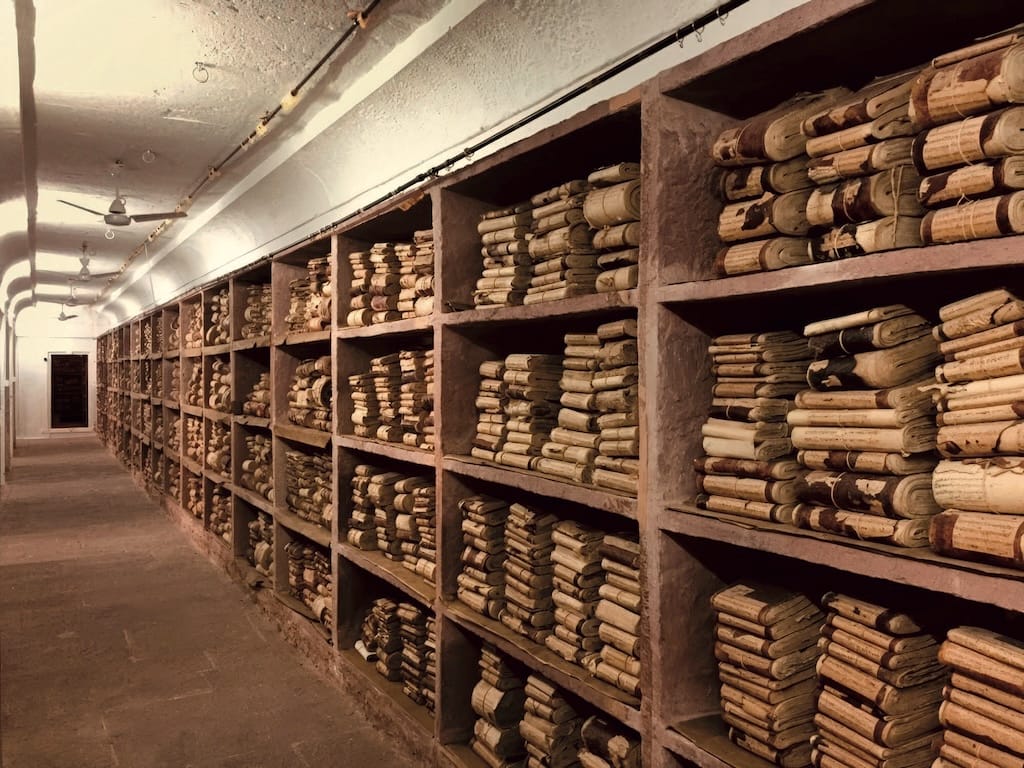
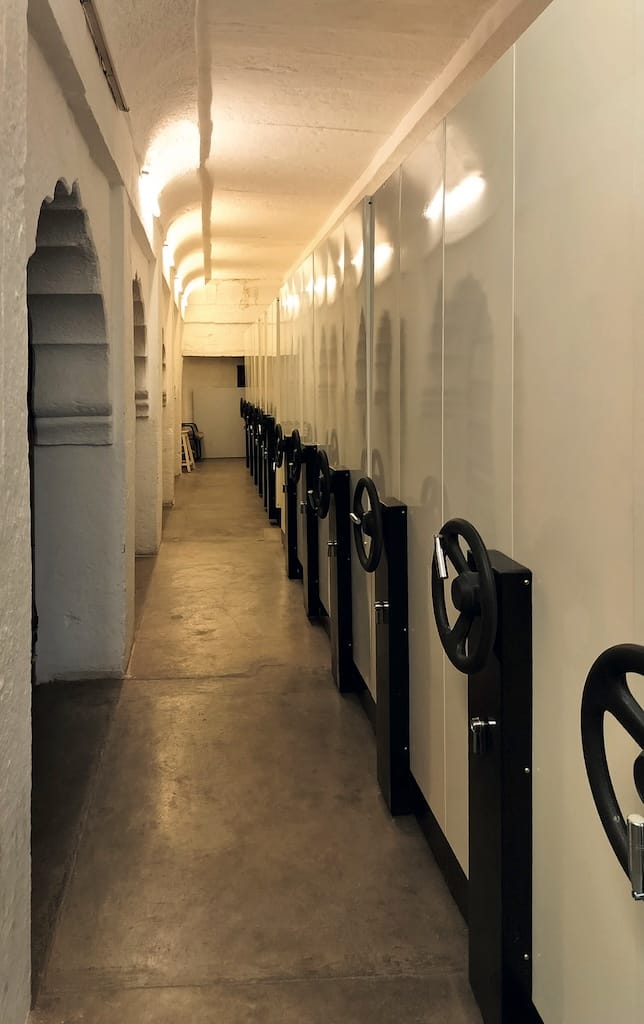
Left: The old analogue system of storing documents and records at Mehrangarh Museum; Right: More than six million images have been scanned and digitised by the archival team led by Dr Mahendra Singh Tanwar, under the guidance of Maharaja Gajsingh II; from Bapji: The King Who Would be Man by Yogi Vaid and Aman Nath, published by Mapin Publishing, Ahmedabad (www.mapinpub.com). Photos: Amit Pasricha.
NS: The book brings together 233 illustrations combining archival photographs with contemporary images. When you look at them today, do they feel like history, or like chapters of an unfinished story?
Maharaja Gajsingh: For me it is certainly an unfinished story. It is a continuing story that will pass on to my children and grandchildren. They will naturally adapt and evolve in their own ways, but the connection with the past remains.
When I look at the photographs, I sometimes realise that moments which feel recent are already part of history. Many people who were with me in the early years are no longer here. Their guidance and contributions were extremely important. The photographs remind me of how things began and how they developed over time.
I have always thought of myself as a link between the past and the present, between history and the modern world. My hope is that the people of Jodhpur remain proud of their heritage while continuing to move forward.
NS: When you think about legacy today, what matters most: architecture, institutions, or something more intangible?
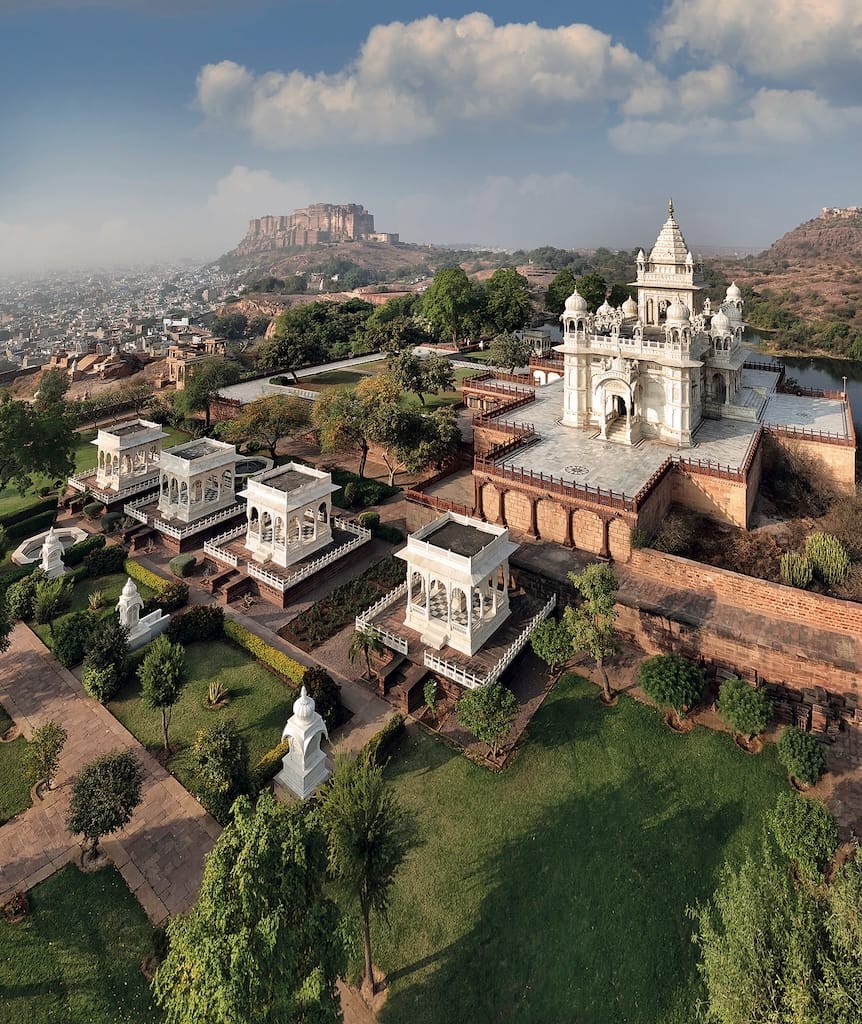
Maharaja Gajsingh: It is definitely something deeper. The monuments, institutions and traditions you mention are symbols. They represent the culture and values of the society. That is why they must be preserved and also adapted so that they remain meaningful to people.
But the true legacy lies in the values of the society itself. The people of Marwar have a distinctive character. Traditionally they were desert people, and that background shaped their resilience and their connection with the land.
They are known for their hospitality and for a strong sense of belonging. People from Jodhpur often feel an immediate connection with each other wherever they meet in the world.
That sense of belonging is a great strength. But it cannot be taken for granted. Younger generations must learn about their heritage and values so that they can carry them forward. Festivals, music, traditions and monuments all express those deeper values.
NS: Finally, what advice would you give to young Indians today?
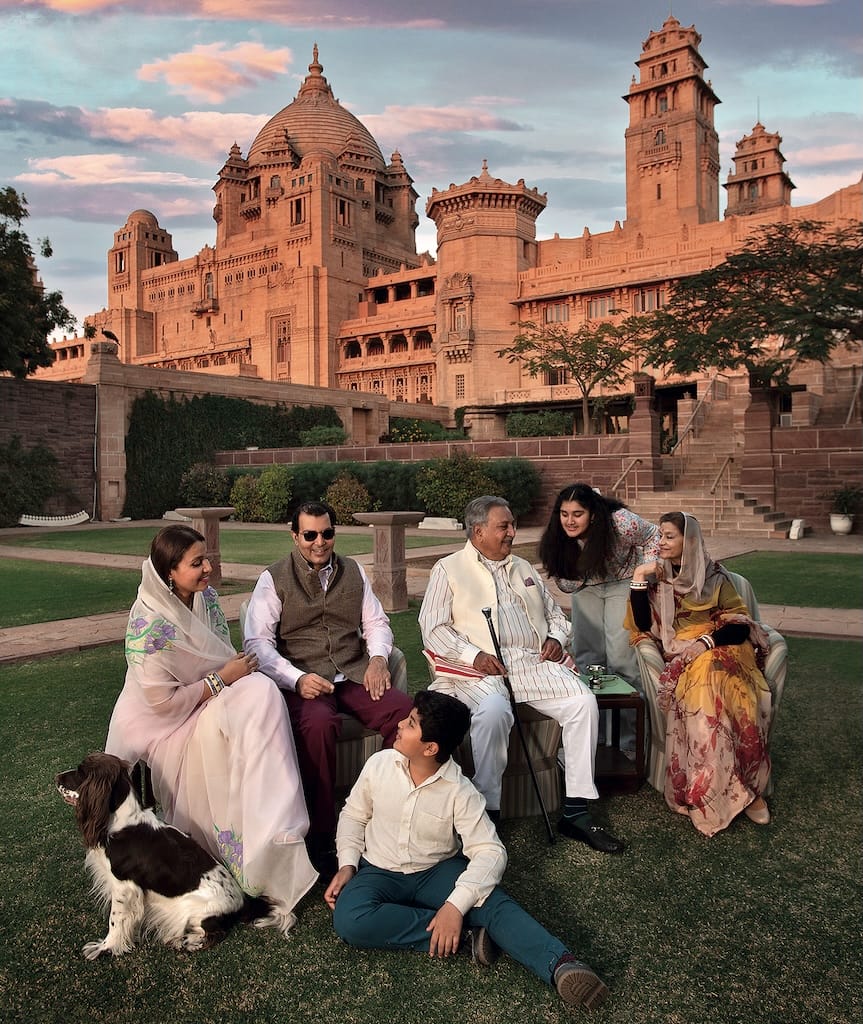
Maharaja Gajsingh: Young people today are witnessing enormous change, not only in India but across the world. The important thing is to understand who you are and where you come from. Cultural roots give people strength and identity. At the same time, the younger generation must engage confidently with the wider world. Indians today are contributing at the highest levels globally in many fields.
Our strength lies in remaining grounded in our values while continuing to learn and grow. If young people remember their roots and work in ways that benefit not only themselves but also the wider community, they will help build a stronger and more harmonious future.