India Art Fair 2026: Expanding the grammar of South Asian art
India Art Fair 2026 returns to New Delhi with its most ambitious edition yet, bringing together 135 exhibitors, landmark commissions, performance, design, and city-wide collaborations that reflect the evolving global presence of South Asian art.

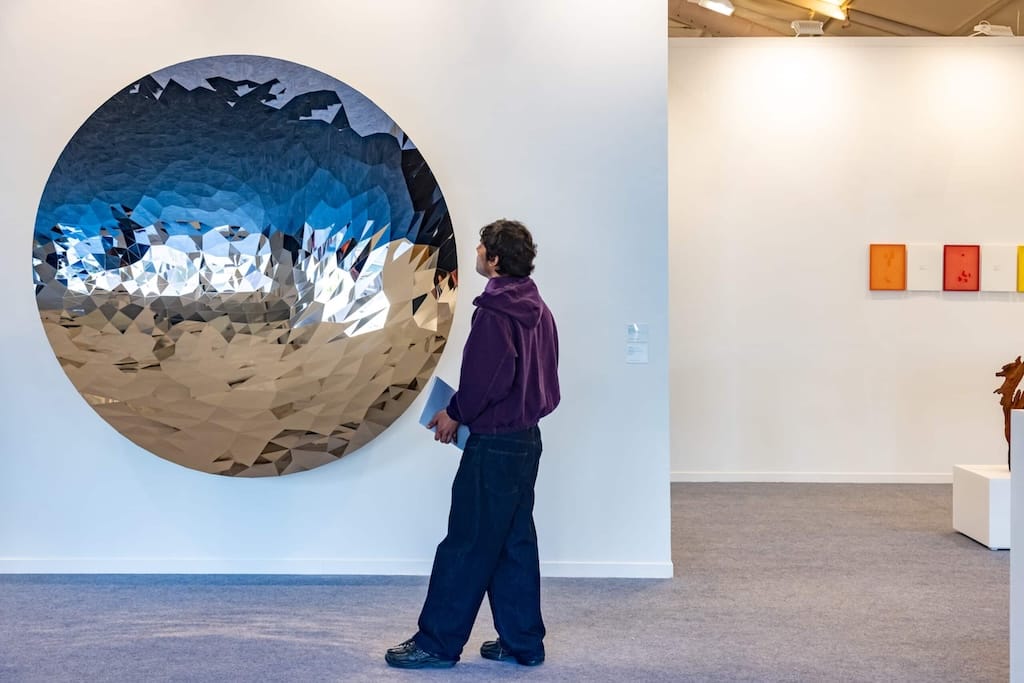
Returning to the NSIC Exhibition Grounds, New Delhi, from 5 to 8 February 2026, the 17th edition of India Art Fair arrives with a scale and ambition that reflect the changing contours of South Asian art and its global visibility. Presented in partnership with BMW India, the fair brings together a record 135 exhibitors and an expansive programme that extends well beyond the commercial rhythms of the art market. With new commissions, performance, outdoor projects, learning initiatives and city-wide collaborations, India Art Fair 2026 positions itself as a platform for sustained cultural dialogue rather than a fleeting showcase.
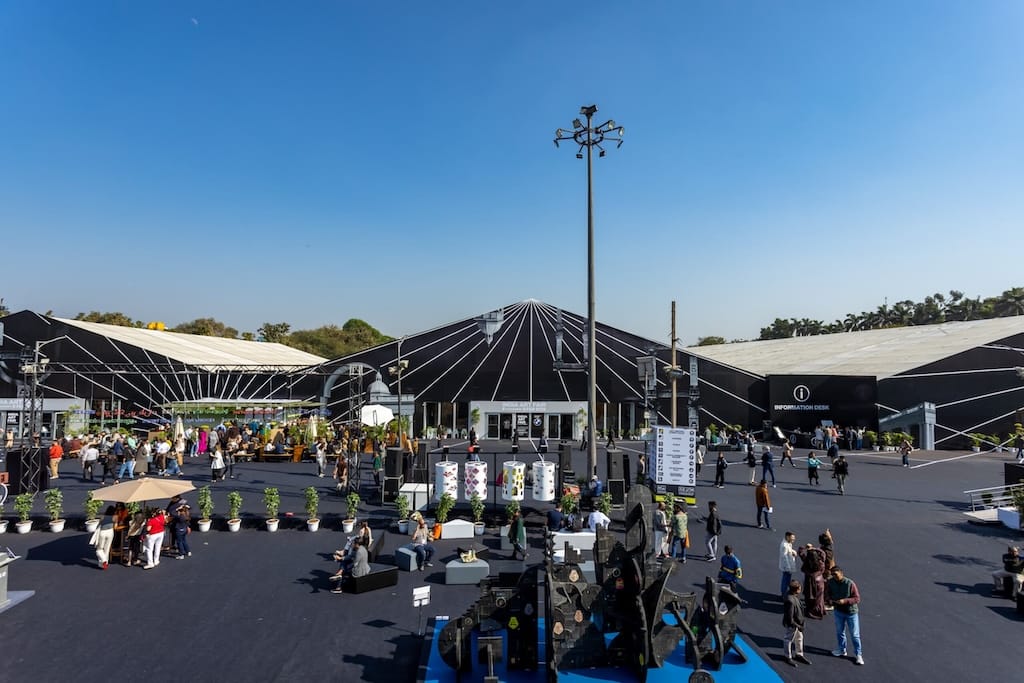
Over the past decade, India Art Fair has steadily evolved from a regional marketplace into a site of exchange where artistic practice, institutional thinking and public engagement intersect. The 2026 edition underscores this trajectory, foregrounding not only galleries and artists, but also research, pedagogy, craft traditions and cross-border conversations that shape how art is produced, circulated and understood in South Asia today.
A record fair with a regional focus
At the heart of the fair is its largest exhibitor list to date, with 94 galleries presented alongside leading institutions, foundations and design studios. Twenty-seven new exhibitors join the fold, marking the fair’s broadest showcase yet. Indian modernism and post-Independence practices are strongly represented through works by figures such as M.F. Husain, S.H. Raza, B. Prabha and Meera Mukherjee, while contemporary South Asian artists with international careers appear alongside major global names.
This juxtaposition is central to the fair’s curatorial logic. India Art Fair continues to foreground South Asian voices without isolating them from global conversations. Galleries from Europe, East Asia, Africa and the United States bring artists such as Ai Weiwei, Yayoi Kusama and Michelangelo Pistoletto into dialogue with practices emerging from the subcontinent and its diaspora. The result is not a flattening of difference, but a layered presentation that reflects the complexity of contemporary art worlds.
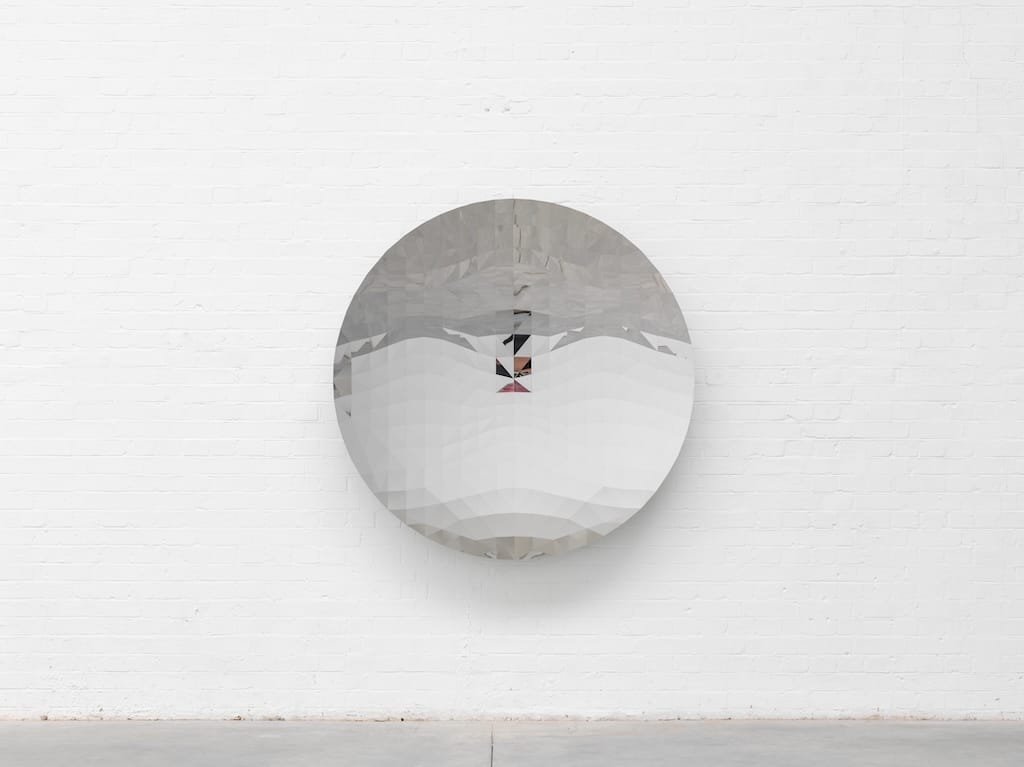
This approach is echoed by Jaya Asokan, Fair Director of India Art Fair, who notes that the 17th edition marks “an important step in building new bridges for South Asian art, taking its talent to the world”. She adds that South Asian art is entering “a new moment of possibility”, and emphasises the fair’s commitment to convening artists, institutional leaders, patrons and writers across generations and geographies, alongside the wider public in Delhi.
Talks, ideas and institutional reflection
A cornerstone of the fair is its Talks Programme, supported by JSW and curated by Shaleen Wadhwana. Titled What Makes Art Happen? – Rising to Challenge, the programme addresses the conditions that enable artistic production in South Asia and beyond, at a moment marked by ecological crisis, political volatility and shifting cultural economies.
Conversations range from institutional leadership and museum futures to grassroots practices and indigenous knowledge systems. Speakers include artists Atul Dodiya, Dayanita Singh and Ibrahim Mahama, alongside museum directors and curators such as Dr Tristram Hunt of the Victoria and Albert Museum and Dr Alexandra Munroe of Guggenheim Abu Dhabi. By bringing together practitioners, patrons, policymakers and scholars, the programme resists easy consensus and instead opens space for critical reflection on power, access and responsibility within the arts ecosystem.
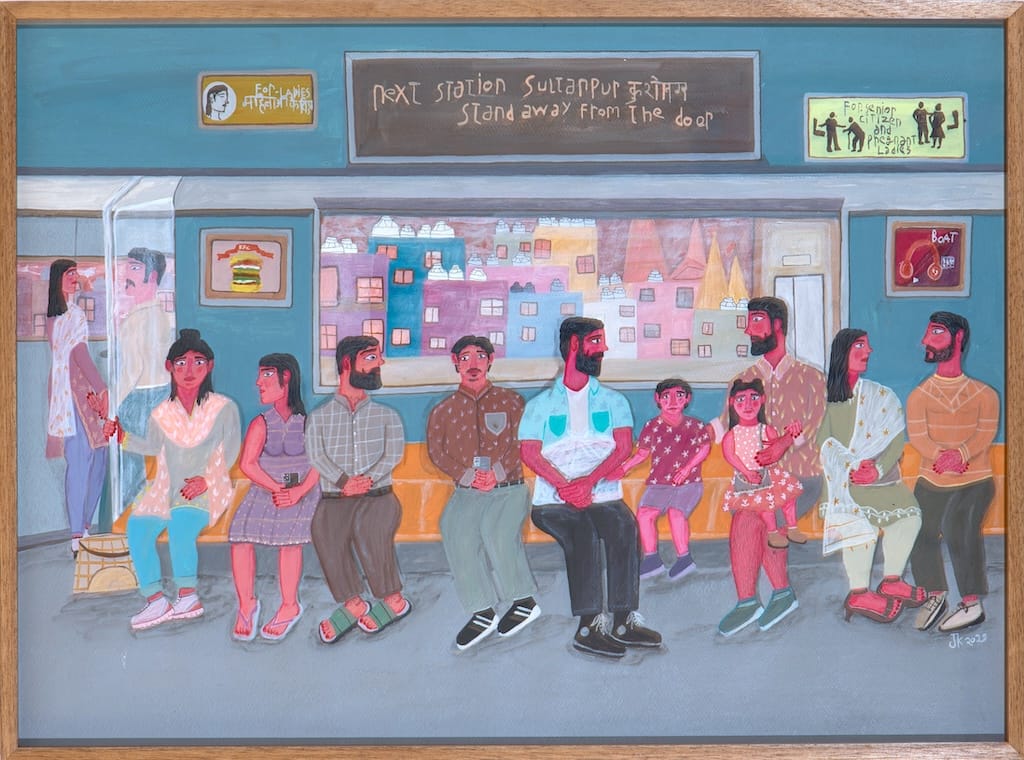
Complementing this is the launch of OPEN Design Talks, curated by Border & Fall, which responds to the fair’s expanded design section. These sessions examine design as a cultural practice shaped by craft histories, technological innovation and global circulation, situating South Asian design within a wider international context.
Performance, care and collective experience
For the first time, India Art Fair debuts a performance collaboration with HH Art Spaces, supported by Soho House. Curated by Nikhil Chopra, the Performance Art Programme centres on live and durational practices that engage sound, movement and participation. The flagship project, Breakfast in a Blizzard, conceived as an open-air kitchen island, transforms acts of cooking and nourishment into gestures of care, memory and collective imagination.
Led by artists including Yuko Kaseki, Uriel Barthélémi and Suman Sridhar, the programme emphasises performance not as spectacle but as a shared temporal experience. In doing so, it expands the fair’s sensory register and invites audiences to slow down, listen and inhabit the space differently.
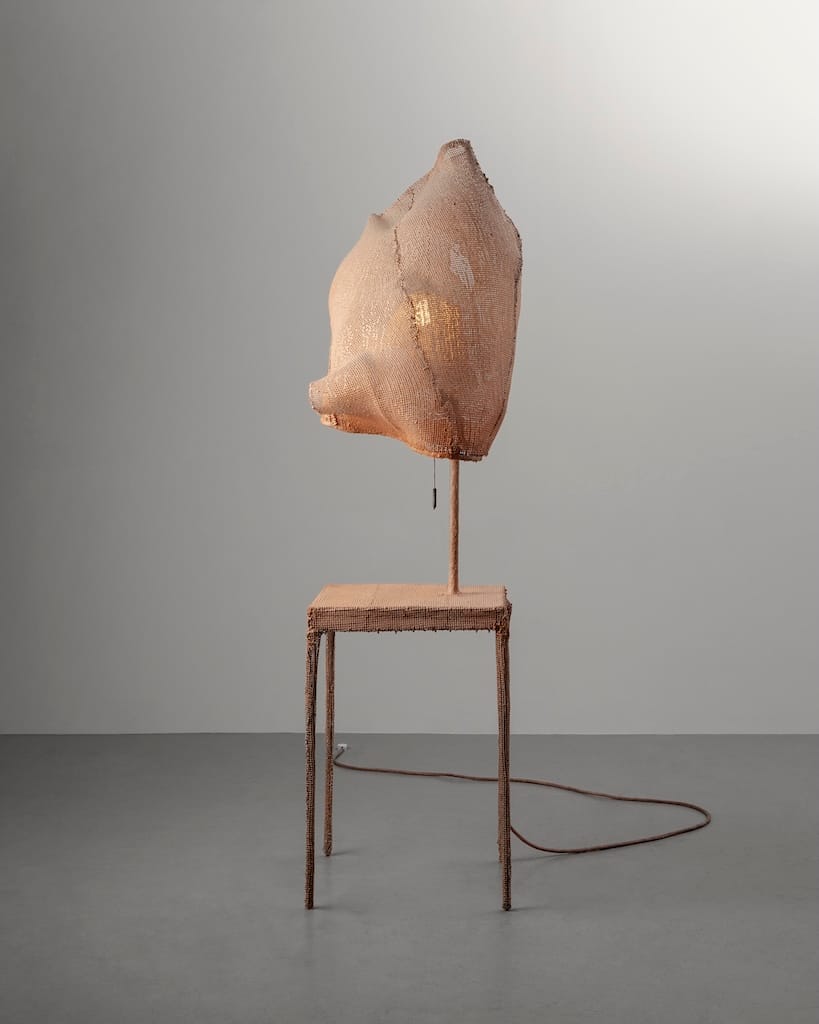
Outdoor projects and commissions
India Art Fair’s outdoor projects have become a defining feature, and the 2026 edition continues this emphasis on scale, ecology and public engagement. A major commission by Kulpreet Singh, presented by the Kiran Nadar Museum of Art, examines extinction and ecological fragility through research-driven installation. Serendipity Arts returns with The Charpai Project, reimagined through a digital intervention by AI artist Goji, merging craft, technology and ideas of rest and social space.
Other highlights include Paresh Maity’s monumental sculpture presented by Art Alive Gallery, and Forest II by Raki Nikahetiya, a living ecosystem created using the Miyawaki method. Together, these projects position the fairgrounds as a site of encounter where art engages directly with questions of environment, materiality and public life.
Craft, research and new forms of support
India Art Fair 2026 places renewed emphasis on research, craft and long-term support structures. The inaugural Swali Craft Prize, presented by Karishma Swali and the Chanakya Foundation, recognises practices that bridge design, storytelling and participatory modes. Residency programmes and curatorial research grants further extend the fair’s impact beyond its four-day duration, investing in artistic development rather than short-term visibility.
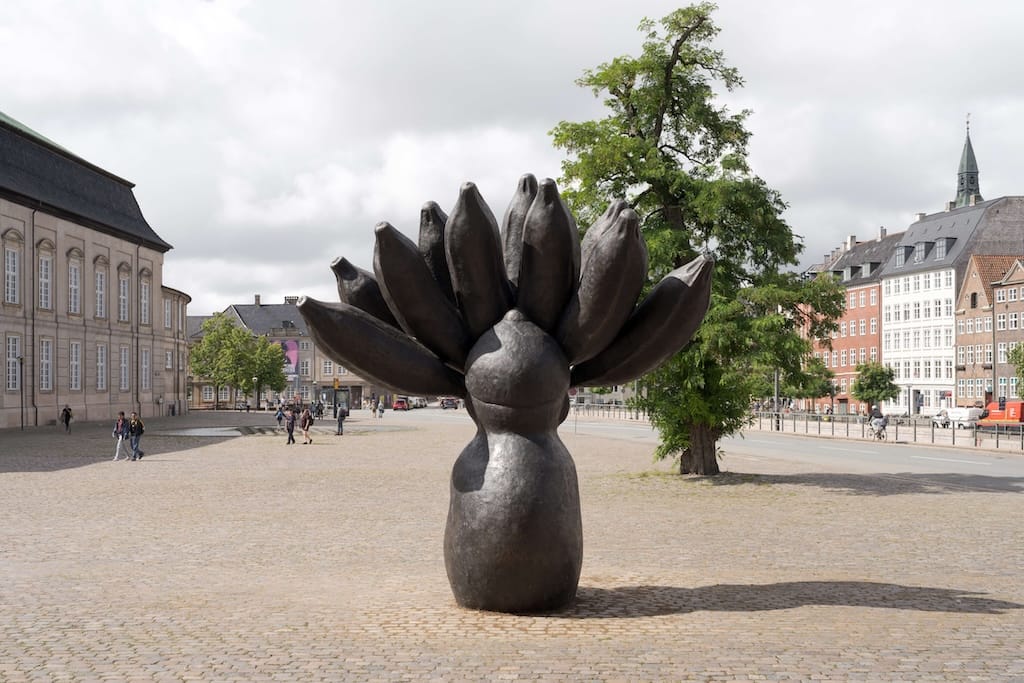
This commitment is echoed in the fair’s learning initiatives. With KNMA as its official Learning Partner, the fair expands its workshops, guided tours and accessibility-led programmes. Tours are offered bilingually in English and Hindi, with select sessions in Indian Sign Language, reinforcing the fair’s ambition to remain inclusive and public-facing.
The city as an extended fairground
India Art Fair’s influence is not confined to its venue. A robust Parallel Programme activates museums, galleries and heritage spaces across Delhi. Highlights include a major retrospective of Tyeb Mehta at KNMA, a new exhibition by Jitish Kallat at Bikaner House, and Ai Weiwei’s first-ever solo exhibition in India, presented by Nature Morte. These city-wide exhibitions situate the fair within a broader cultural landscape, encouraging audiences to experience Delhi as a networked arts ecosystem. Now in its seventh year, the Young Collectors’ Programme also finds a new home at Triveni Kala Sangam, signalling a sustained effort to cultivate future patrons through education, conversation and curatorial engagement.
A fair at a turning point
As India Art Fair enters its 17th edition, it does so at a moment when South Asian art is gaining unprecedented international attention, even as local infrastructures remain uneven and contested. The 2026 programme reflects an awareness of these tensions. Rather than offering easy narratives of growth or success, the fair proposes a more nuanced vision, one that values dialogue, care, research and plurality. In bringing together galleries, institutions, artists and audiences across generations and geographies, India Art Fair 2026 affirms its role not only as a marketplace, but as a cultural forum where the future of South Asian art is actively imagined, debated and shaped.