Does AI Photography Still Deserve a Gallery Wall?
AI generated imagery is now entering exhibitions and winning awards, sparking debate across the art world. Does AI photography deserve a gallery wall, or does it undermine human creativity and artistic craft?

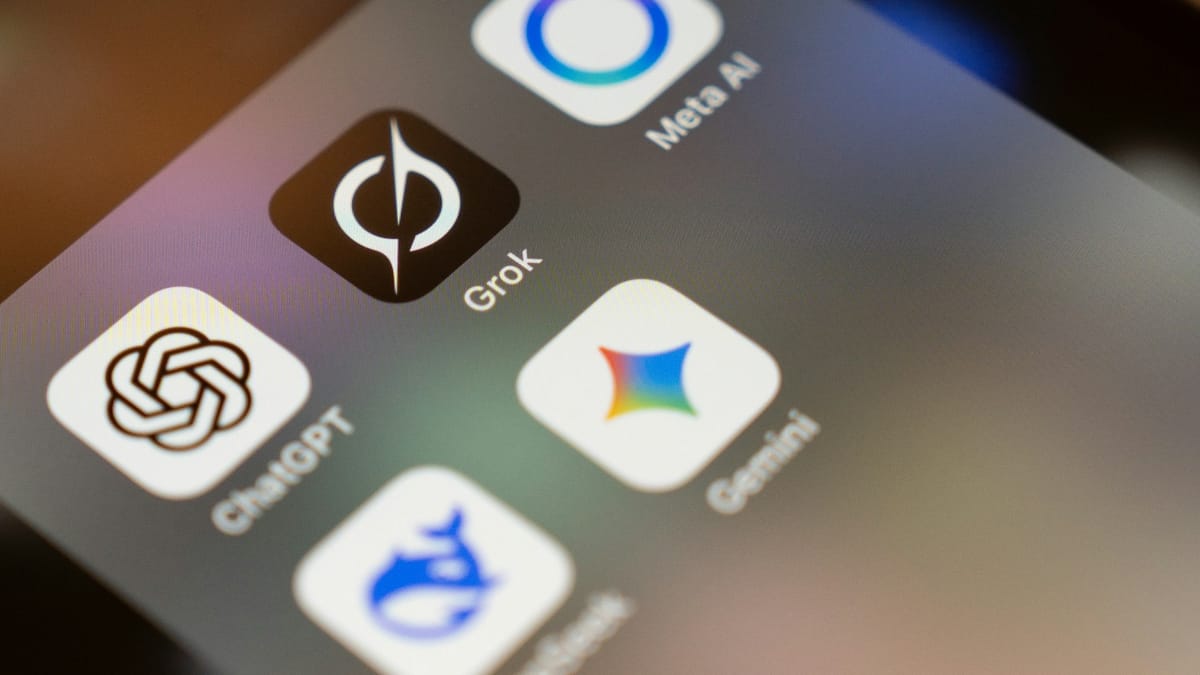
Artificial intelligence has reshaped many creative industries in a remarkably short time, and photography is no exception. AI generated imagery, once a novelty, is now winning competitions, hanging in exhibitions and selling in galleries. It raises a question that divides artists, photographers and audiences alike: does AI photography truly deserve a place on the gallery wall, or should it be regarded as a technological trick rather than a legitimate art form?
The debate around AI photography touches on fundamental issues of creativity, authorship, originality and craft. Supporters argue that AI is simply another tool in the long evolution of image making. Critics counter that it lacks human intent and replaces skill with automation. As the technology advances, so does the urgency to consider where these works belong within the art world.
The evolution of photographic tools
Photography has always been shaped by technology. When the first cameras appeared in the nineteenth century, they were viewed with suspicion. Painters feared the mechanical capture of reality would undermine artistic skill. Yet photography eventually earned its place in museums and galleries through experimentation, technique and unique artistic vision.
Since then, image making has continually changed. Darkrooms gave way to digital sensors. Photoshop introduced editing possibilities that once required hours of chemical processing. Smartphone cameras removed the need for expensive equipment. Each leap sparked resistance at first, yet society adapted.
Against this historical backdrop, AI imaging can be seen as another transformative technology. Just as earlier tools expanded creative potential, AI broadens what is possible in composition, manipulation and visual storytelling. However, the scale and speed of change have intensified emotions around its legitimacy.
What is AI photography
AI photography, sometimes called AI generated imagery, refers to images created or heavily assisted by machine learning models. Instead of capturing a physical scene through a lens, the artist enters text prompts, uploads reference images or uses existing photographs to produce new visuals. The system analyses patterns from millions of examples and generates a unique image.
Some see this as radical experimentation. Others believe it has detached photography from the real world entirely, transforming it into something closer to illustration or collage. Understanding this distinction is central to determining how such work should be exhibited.
The case for AI on gallery walls
Supporters of AI generated photography make several arguments.
AI is a creative tool, not a replacement
Artists have always used tools to extend their imagination. From the invention of oil paints to the arrival of digital tablets, technology has changed artistic workflows. If creativity lies in ideas rather than mechanical labour, then AI can be viewed as an extension of the imagination. The art emerges from vision, choices and refinement, not merely from typing words into a screen.
AI can reveal new visual possibilities
AI allows artists to explore scenes that cannot exist in the physical world. Surreal landscapes, dreamlike portraits and impossible environments can be rendered with convincing detail. It challenges notions of what is photographable and encourages audiences to rethink reality, perception and visual truth.
Exhibiting AI work invites dialogue
Placing AI imagery in galleries sparks conversation about future creativity. It invites viewers to engage critically with authorship, control and the relationship between humans and machines. Exhibitions can educate and provoke thought rather than simply celebrate the technology.
The case against AI being displayed in galleries
Critics argue that AI photography does not deserve space traditionally reserved for artists who master technique through skill and time.
Questions around authorship and originality
AI models are trained on vast datasets that often include copyrighted photographs without the artists’ consent. This creates ethical concerns. If an AI system generates an image by learning from thousands of living photographers and then sells prints, who truly owns the work? Without clear answers, some argue that exhibiting AI work risks undermining the creative labour of real photographers.
Absence of craft
Traditional photography involves technical expertise. Photographers learn to control exposure, composition, lighting and timing. They travel, observe and respond to the real world. AI, by contrast, can create a polished image in seconds. Critics argue that this removes the craft and discipline that define artistic practice.
Devaluation of artistic careers
Many fear the rise of AI threatens livelihoods. If collectors choose AI prints that are cheaper and faster to produce, where does that leave working artists? Displaying AI imagery in prestigious spaces may accelerate this shift, reducing respect for human creativity.
What defines art
At the heart of the debate is a philosophical question. Is art defined by the outcome or the process? If an image is compelling, emotionally resonant or conceptually rich, does it matter how it was made?
There are examples throughout history where the process mattered less than the idea. Conceptual art in the twentieth century redefined the value of the artist’s hand. Marcel Duchamp exhibited a urinal and called it art because he chose it, not because he crafted it. More recently, digital artists have used algorithms, coding and software to create works respected by critics and institutions.
These precedents suggest that the art world has long accepted forms where the artist directs rather than manually produces.
However, AI introduces a complication. When the tool becomes capable of generating unexpected outcomes with minimal input, the boundary between creator and assistant becomes blurred. If intention guides art, then AI works with clear conceptual direction may deserve recognition. If manual skill defines art, then AI belongs elsewhere.
The role of the gallery
Galleries are cultural gatekeepers. They influence taste, value and legitimacy. Decisions about whether AI belongs on their walls should not be made lightly. The question is not whether AI images should exist, but where they should be placed and how they should be contextualised.
Some curators are choosing to exhibit AI images alongside traditional photography but with clear explanation of process and purpose. Others dedicate separate spaces to digital and experimental work. Transparency helps audiences understand what they are viewing and decide for themselves.
A gallery wall symbolises prestige, history and achievement. For that reason, many believe that AI work should undergo the same scrutiny of concept, execution and originality expected of any artist. When AI is used thoughtfully, with depth and genuine creative exploration, it can be worthy of presentation. When it is produced quickly without intent, it becomes disposable visual noise.
What the discussion reveals about creativity today
The debate around AI photography exposes a broader anxiety about automation and identity. To many artists, art is deeply personal. It represents years of learning, sacrifice and emotional labour. The idea that a machine might replicate or overshadow this effort is unsettling.
Yet history shows that artists have always adapted. Those who embrace new tools often find innovative means of expression. Those who refuse risk becoming disconnected from contemporary culture.
AI does not remove the need for human imagination. Instead, it may shift where creativity lies, moving from execution to direction, from technique to ideas.
Does AI photography deserve a gallery wall
The answer is neither simple nor universal. AI photography can deserve a gallery wall when it demonstrates intentional creativity, thoughtful concept and meaningful engagement. It does not deserve exhibition when used purely for novelty or imitation.
Galleries should ask the same questions of AI artists that they ask of any artist:
- What is the work trying to say
- Why does it matter
- How does the method support the message
- Does it offer something new
If the artwork meets these standards, then its presence can enrich the cultural conversation. AI will not replace the human eye or the emotional depth that comes from lived experience. It may, however, open new doors in image making. Perhaps the real question is not whether AI belongs on the gallery wall, but how we can use it to deepen our understanding of creativity rather than diminish it.