'Amphibian Aesthetics' Opens Ishara House in Kochi
Opening Ishara House in Kochi, 'Amphibian Aesthetics' brings together twelve artists to reflect on migration, oceanic histories and ecological precarity, proposing amphibious ways of thinking and living across land, water and multispecies worlds.

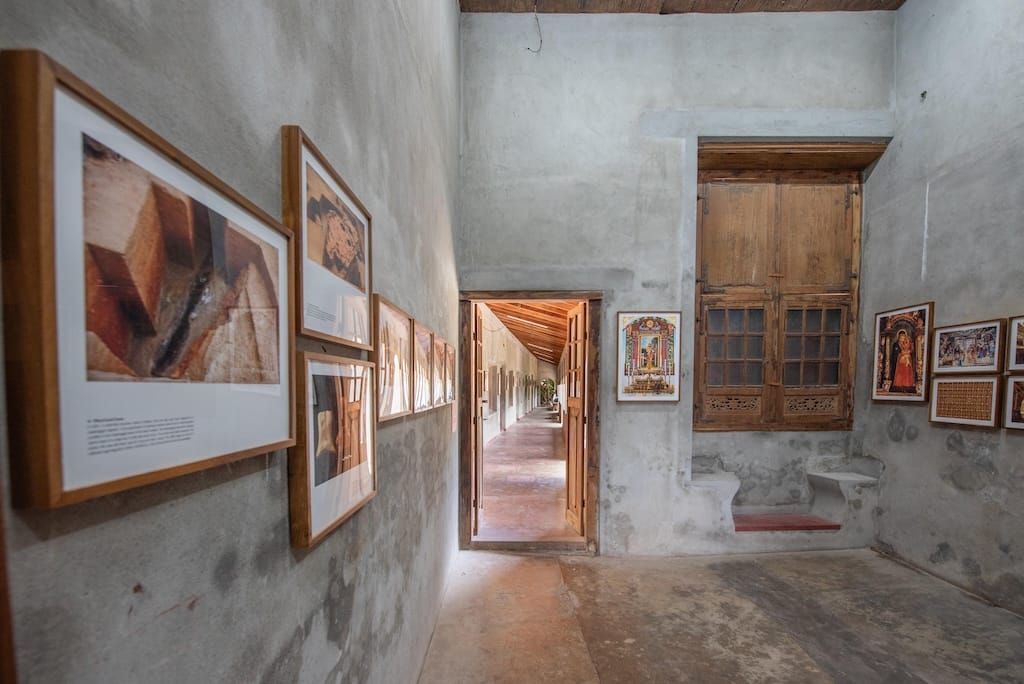
Ishara Art Foundation will inaugurate a significant new chapter in its programme with Amphibian Aesthetics, the opening exhibition at the newly established Ishara House in Kochi, Kerala. On view from 13 December 2025 to 31 March 2026, the exhibition brings together twelve artists and collectives whose practices engage with questions of precarity, migration, ecology and survival in an increasingly unstable world.
A Historic Site Between Land and Sea
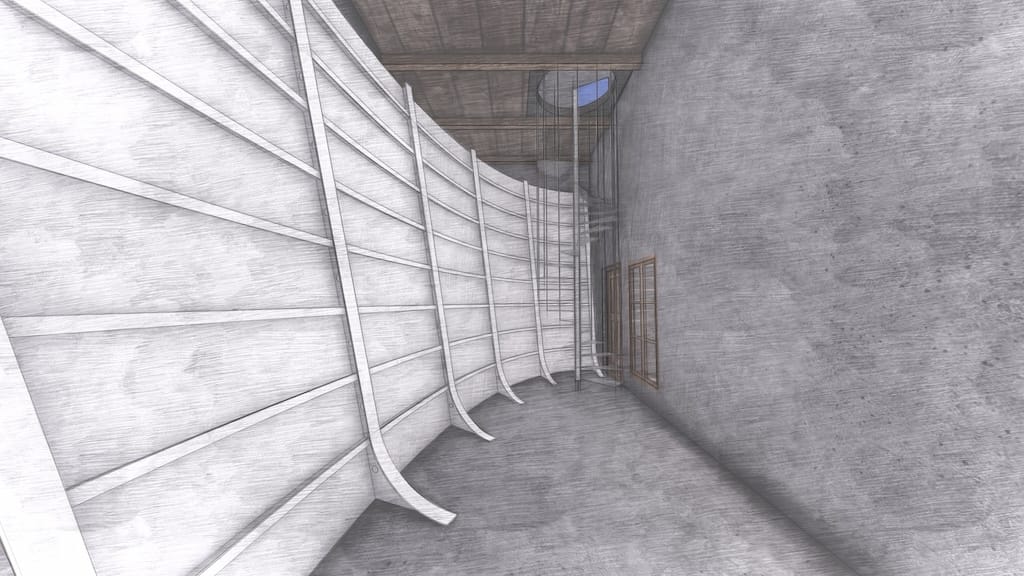
Housed in the historic Kashi Hallegua House in Mattancherry, a building more than two centuries old and once central to Kochi’s Jewish community, Ishara House is imagined as both a physical and conceptual threshold. Its layered architectural memory, marked by trade, faith and migration, forms an apt setting for an exhibition shaped by the idea of the “amphibian”: a figure that moves between land and water, past and future, and human and more-than-human worlds.
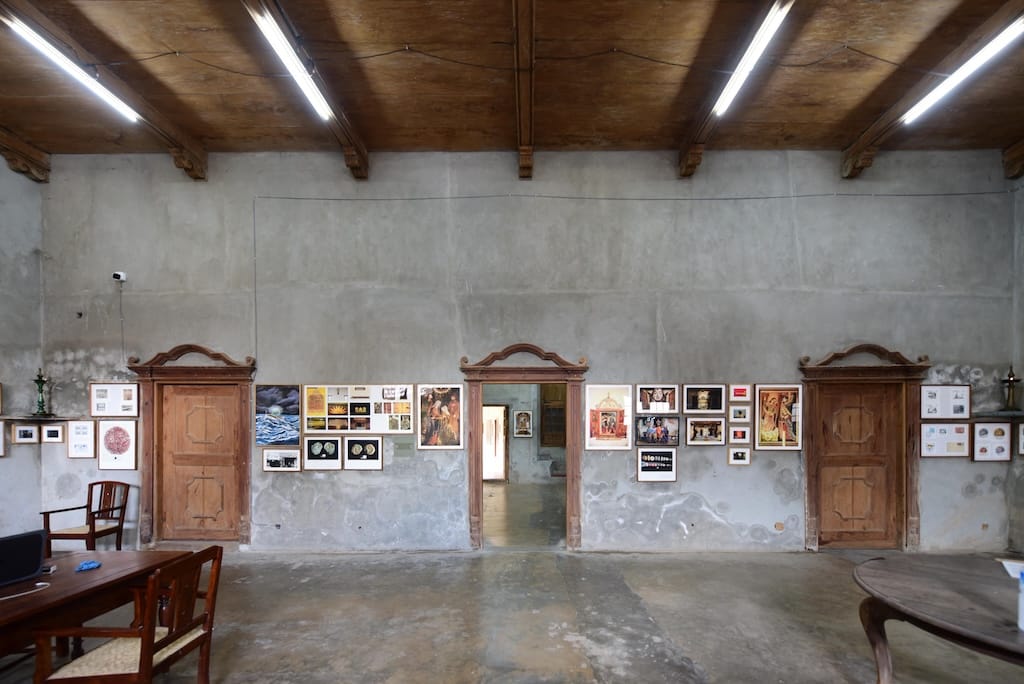
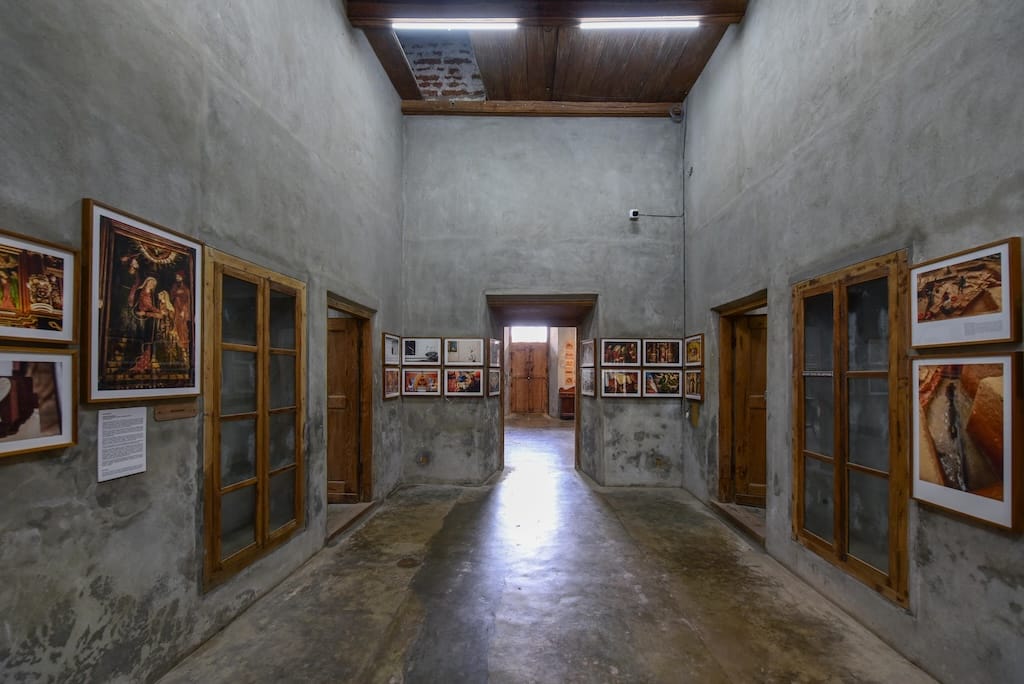
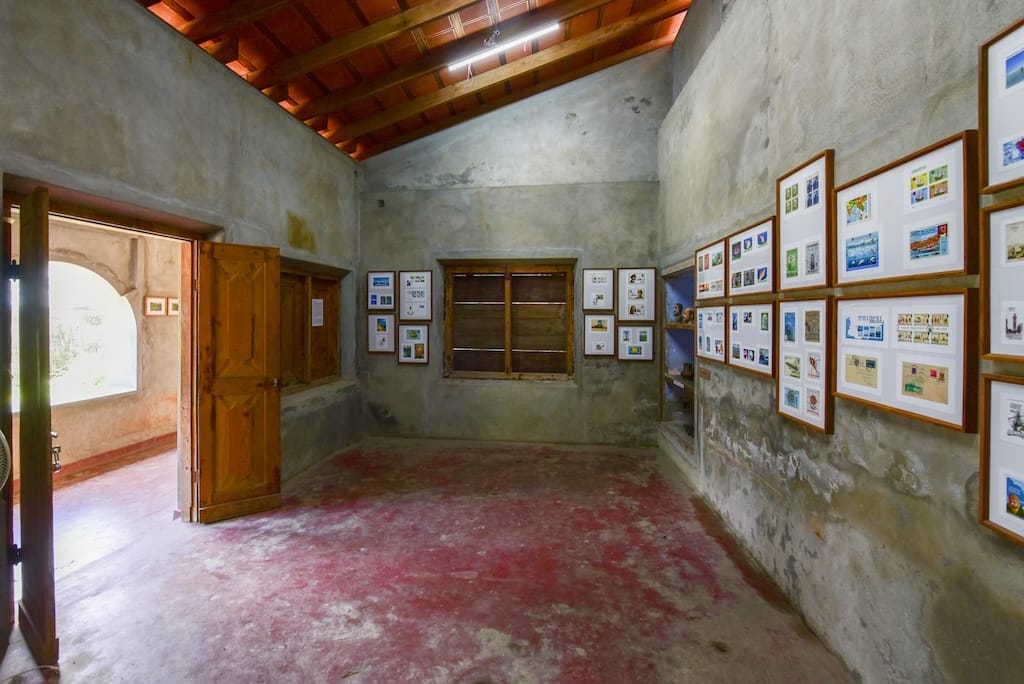
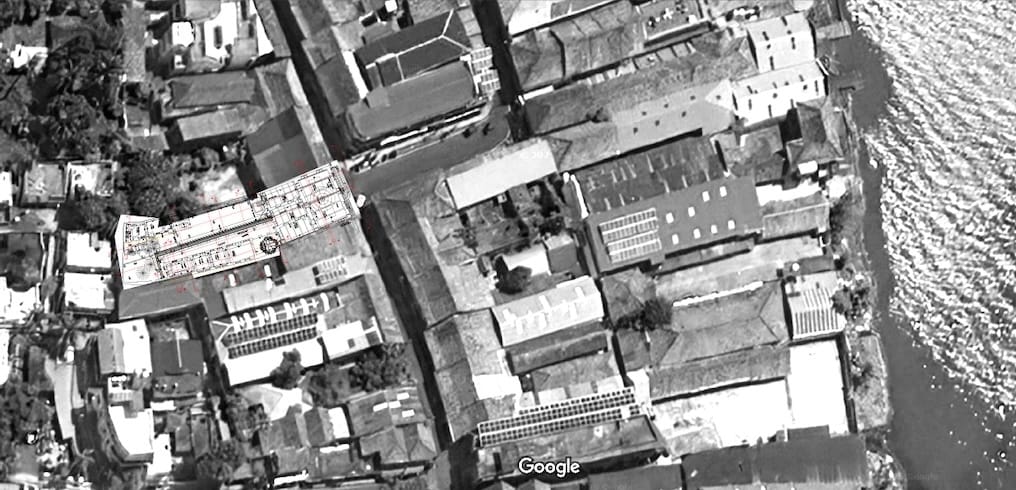
Kashi Hallegua House
Conceiving the Amphibian
The curatorial vision is led by artist and thinker Riyas Komu, whose long-standing research with Aazhi Archives has been deeply rooted in Kochi’s coastal geography. Reflecting on how the concept emerged, Komu notes that over more than a decade of close engagement with the city “we have realised the centrality of the oceanic in its historical and contemporary make up”. Projects such as The Mattancherry Project and Sea A Boiling Vessel sharpened this understanding, foregrounding slave routes, maritime trade and migratory histories to reveal how, in this region, “waters emerged as the key medium of civilisation”, producing social and spatial fluidities still legible in Kerala’s landscape today.
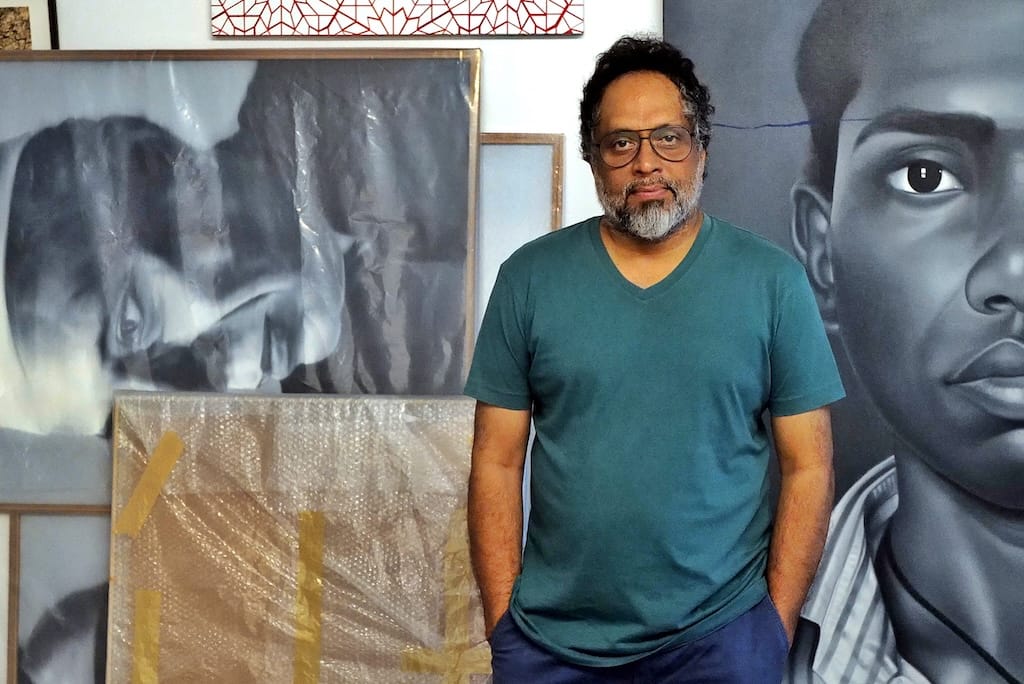
Against the backdrop of escalating geopolitical and environmental crises, the amphibian became, for Komu and his collaborators, not just a metaphor but a condition. As he explains, it stands for “adaptability and shared vulnerability — a figure capable of moving between land and water, past and future, material and immaterial conditions”. That Ishara House approached Aazhi Archives just as these ideas were crystallising gave the inaugural exhibition an added resonance. Komu describes the collaboration itself as symbolic: two organisations, one in Kochi and one in Dubai, “connected by the same sea while being apart physically”.
Art in the Age of the Anthropocene
Amphibian Aesthetics unfolds squarely within the urgencies of the Anthropocene: climate collapse, displacement, extinction and hyper-capitalism. Rather than approaching these themes as abstract crises, the exhibition adopts what Komu describes as a twofold curatorial movement. On the one hand, it asks viewers to “consider precarity closely and familiarise with the physical and social aspects of migratory experience”. On the other, it draws upon the migratory cultures of the past as a way of mediating the present. The practices included are themselves multisited and multimodal, shaped by movement across borders, disciplines and ways of knowing.

Artists and Practices Across Regions
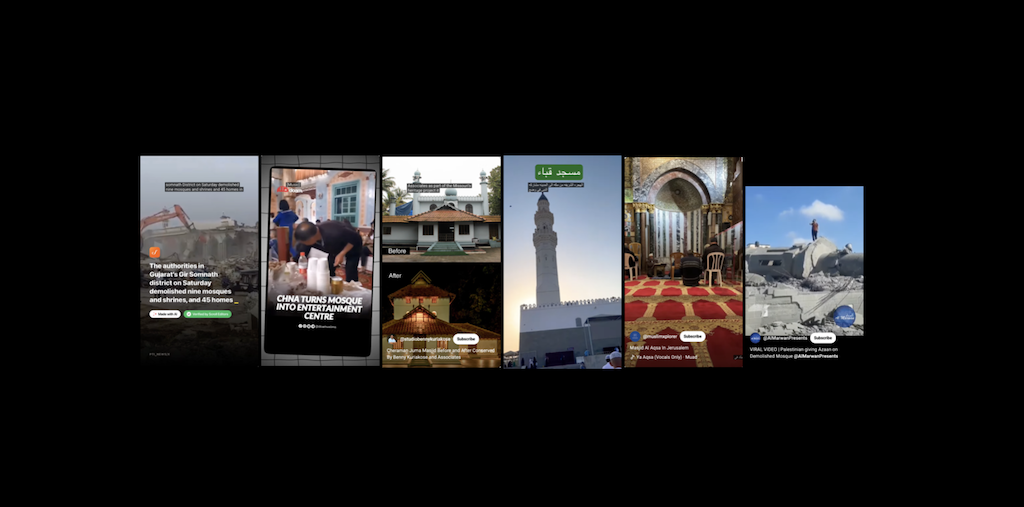
This approach is reflected in the diverse roster of participants, which includes Michelangelo Pistoletto, Shilpa Gupta, Dima Srouji and Rami Farook, alongside Appupen, Midhun Mohan, Ratheesh T, Shanvin Sixtous, Zahir Mirza, White Balance, and the collectives CAAS and Kabir Project. Komu points to CAAS, whose members operate across continents, as an example of how the exhibition thinks beyond terrestrial limits: their work treats Earth and outer space as a single continuum, proposing modular “micro-ecosystems” for future living. Other practices root these planetary questions firmly in place, from Farook’s reflections on Kerala’s spaces of worship as sites of memory and renewal amidst construction and collapse, to Ratheesh T’s studies of solidarities that exceed caste and religion in Kochi.

Art, Knowledge and People
Underlying the selection is the philosophy that has guided Aazhi Archives since its inception: Art + Knowledge + People. Komu describes the curatorial process as one that actively brings “engineers to artists, space researchers to comic artists, poets to filmmakers and painters to architects” into conversation. This interdisciplinarity is not about novelty, but about necessity. At its centre lies a conviction that “people are repositories, protagonists, destinations, and custodians of the knowledge generated through these processes”. Accordingly, the exhibition does not confine itself to the gallery interior. Works extend onto city walls and into the waters of Kochi, imagining the city itself as a site of encounter and inquiry.
Kochi, Memory and the Ocean
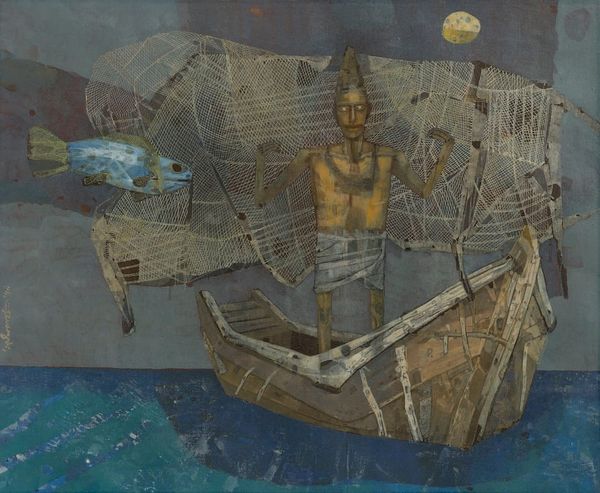
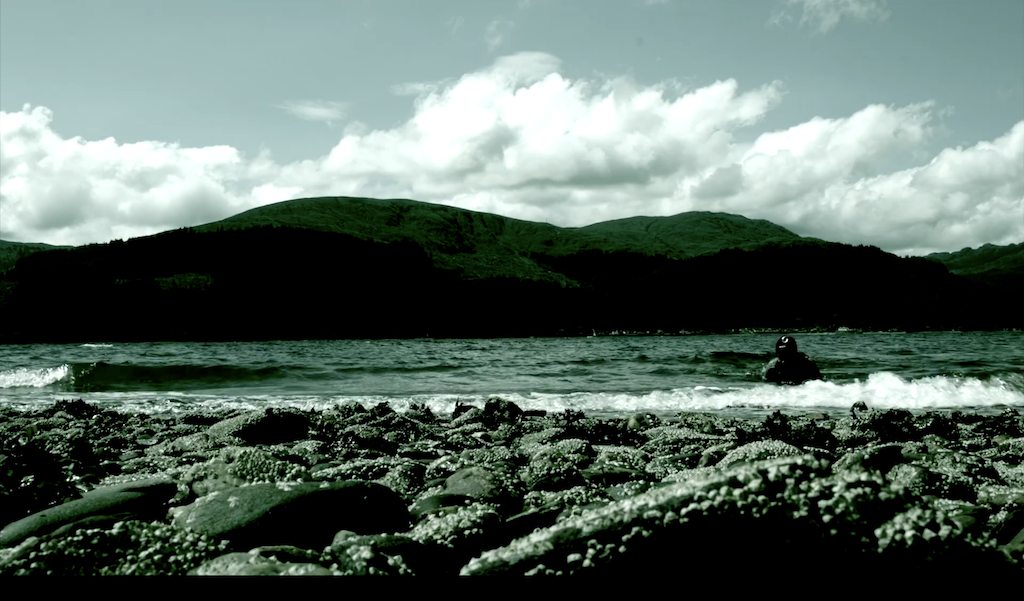
Kerala’s oceanic histories of migration, trade and spiritual exchange form the exhibition’s essential backdrop. Komu is clear that Amphibian Aesthetics is inseparable from the specific geography and memory of Kochi. From early projects to Sea A Boiling Vessel, he notes that “if there is anything in common to all the exhibitions… it is the place and its connection to the water”. This connection is reactivated throughout Ishara House. Former spice warehouses, once active nodes in global trade and now repurposed for tourism, hover in the exhibition’s imagination, with their residual smells, artefacts and ghostly boats. These traces are not treated nostalgically, but reinterpreted for contemporary reflection. Works such as Shanvin Sixtous’s engagement with Kochi’s shipbuilding histories sit alongside rooms that speak of cultural conviviality, environmental urgency and global interconnection. Komu ultimately frames the building itself as “a vessel of memories… offering stories from land and sea, urging the viewer to become an amphibian”.
Water as Agent and Archive
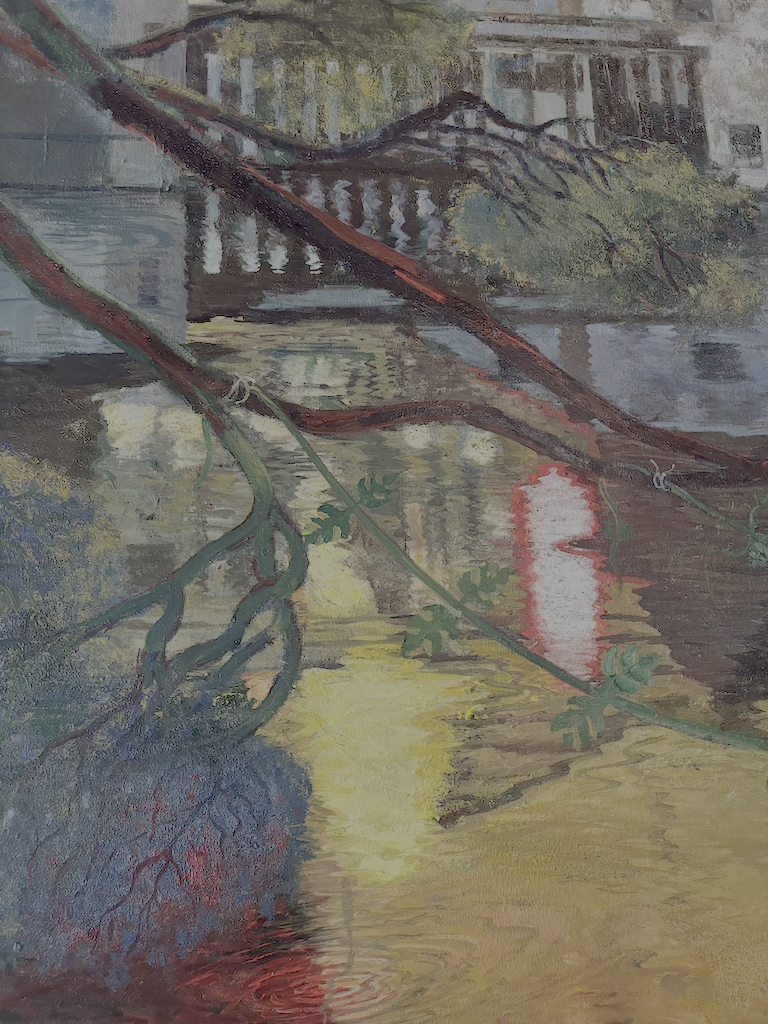
Water, across the exhibition, is not simply a motif but an active agent. Komu argues strongly for the role of contemporary art in widening ecological conversations, especially when it helps reorient thinking towards collaboration rather than domination. Amphibian Aesthetics, he suggests, functions as “a manifesto that urges us to ‘move on’ by imagining coexistence across species, elements, and knowledge systems”. In this framing, water becomes a carrier of cultures and memories, one that “archives conflict and war, and argues — both gently and firmly — against violence”. The historic site of Ishara House itself stands as evidence of possible futures built on coexistence.
Why Kochi Matters
For Smita Prabhakar, Founder and Chairperson of Ishara Art Foundation, the opening of Ishara House and its inaugural exhibition marks a decisive expansion of the Foundation’s geographical and curatorial ambitions. She observes: “Kochi is an ideal home for Ishara House because its long-standing multicultural fabric, where diverse communities live and interact with ease, closely reflect the environment of Dubai – the city where the Ishara Art Foundation was founded. Establishing Ishara’s first outpost in Kochi allows the Foundation’s global values and vision to be fully expressed, supported, and expanded in a setting that naturally aligns with its core beliefs.”
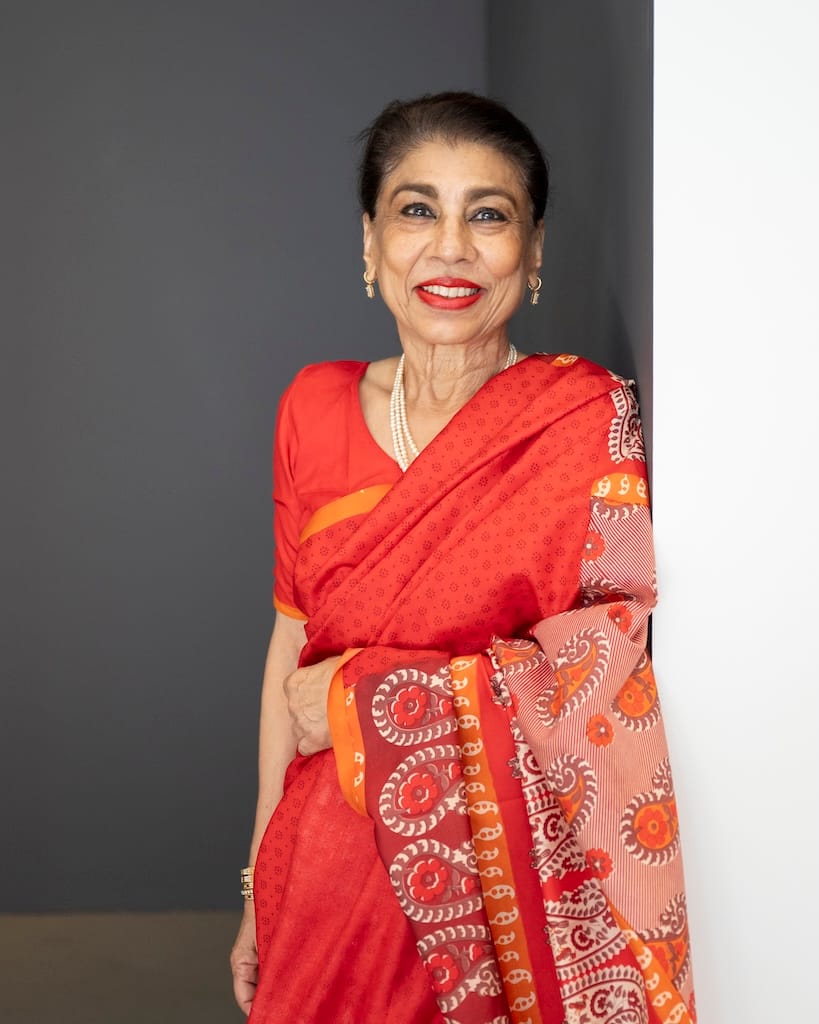
The connection is also intimate and personal: “My partner, Ramesh, spent his formative years in Kochi, and his memories, as well as his family’s history, are closely tied to its cultural and urban landscape.” Long based in Dubai, the Foundation has developed a research-led programme focused on South Asian contemporary practice and its global dialogues. The Kochi project deepens this commitment by situating these conversations within a region shaped by centuries of movement across the Indian Ocean, while also honouring the city’s place in Prabhakar’s own life.
From the Biennale to Amphibian Futures
Komu’s own curatorial trajectory, from the Kochi-Muziris Biennale to Aazhi Archives, has consistently engaged with community, conflict and civilisational memory. He reflects that the Biennale was never intended as spectacle alone, but “a space to listen, to gather, and to articulate new narratives emerging from Kochi itself”. Amphibian Aesthetics extends this inquiry while shifting its axis. Where earlier projects asked how societies remember, this exhibition asks how worlds, human and more-than-human, coexist, adapt and survive. As Komu puts it, it marks a movement towards thinking “with environments, elements, and organisms”, opening up new imaginaries and solidarities shaped by ecological memory and multispecies life.
Imagining Amphibious Futures
Looking ahead, Komu sees Ishara House as a long-term node within Kochi’s evolving cultural landscape, particularly for Indian Ocean centred research and collaboration. Reflecting on the deep, if often under-recognised, ties between Kerala and the Gulf, he suggests that the presence of Ishara in Kochi signals a new phase in these relations. It grows out of years of work on projects such as Dubai Elsewhere and Migrant Dreams, which traced the development of Gulf nations through the photo albums and memories of Malayalis. In this context, he reads Ishara’s arrival as “part of Kochi’s promise as a place where new cultural institutions will continue to arrive — just as, historically, religions, traders, and colonisers once did”. Now, he concludes, “it is time for art to come, to learn, to teach, to exist, and to create”.
In this spirit, Amphibian Aesthetics positions art itself as an amphibious act: fluid, adaptive and attentive to fragile ecologies. In an era when ecological crisis is inseparable from crises of culture and imagination, the exhibition invites viewers to dwell within uncertainty, to listen across species and histories, and to imagine collective futures shaped in the shifting space between land and sea.