A Deep Dive into the Art of Collage: Techniques and Artists
Collage remains one of the most dynamic forms in modern and contemporary art, transforming fragments into meaning. This article explores its evolution, key techniques, and the artists who continue to redefine its possibilities today.


Collage is one of the most versatile and conceptually rich forms in modern and contemporary art. Built upon the act of assembling disparate materials into a unified composition, it challenges traditional ideas of authorship, originality, and representation. From its early twentieth century beginnings to its flourishing presence in contemporary practice, collage continues to evolve as both a technique and a philosophical approach to image making.
This article explores the history of collage, its core techniques, and the artists who have shaped and redefined the medium.
The Origins of Collage in Modern Art
Although forms of collage existed in decorative arts long before the twentieth century, it was within the avant garde movements of Europe that collage became a radical artistic language. The term itself derives from the French word coller, meaning to glue.
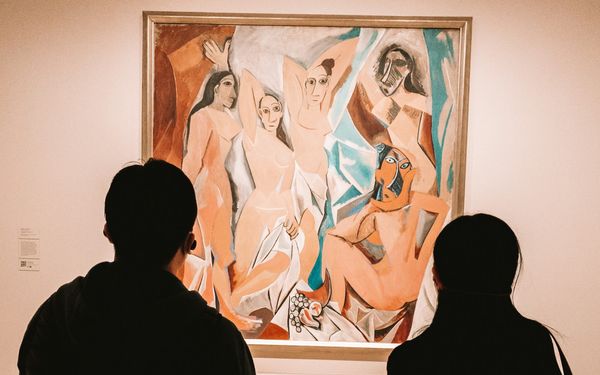
The pioneers of collage were Pablo Picasso and Georges Braque, who began incorporating materials such as newspaper, wallpaper, and sheet music into their Cubist compositions around 1912. These works disrupted the illusion of depth in painting by introducing real world textures directly onto the canvas.
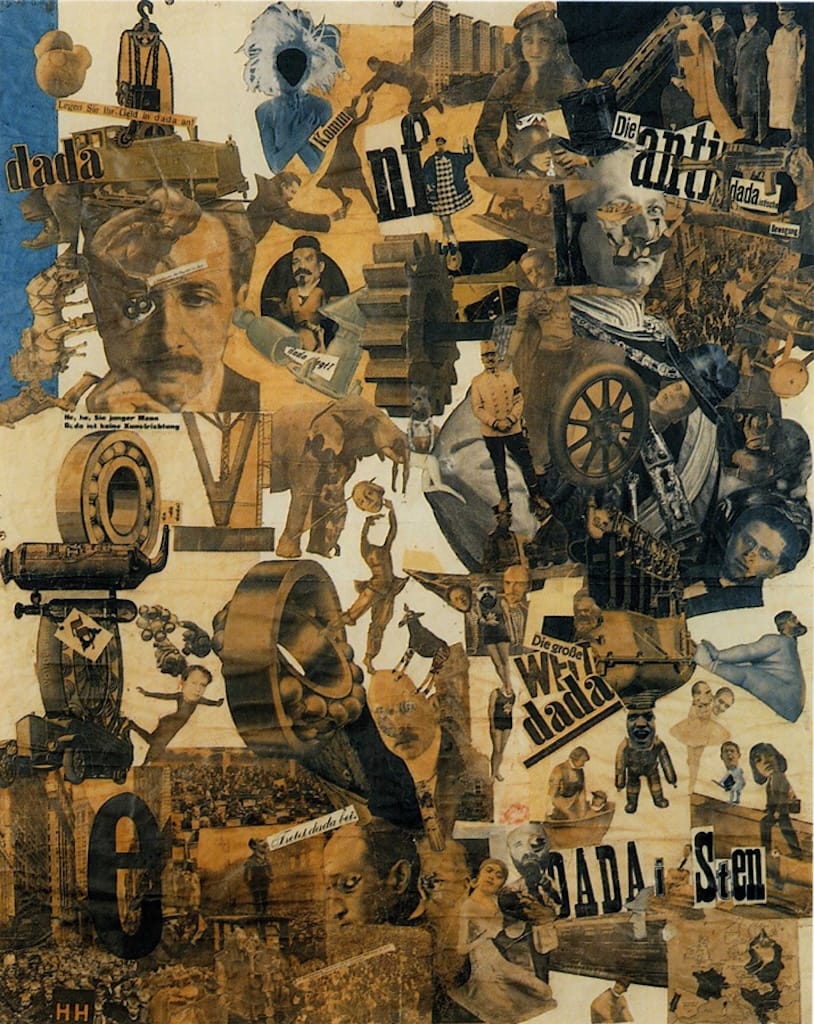
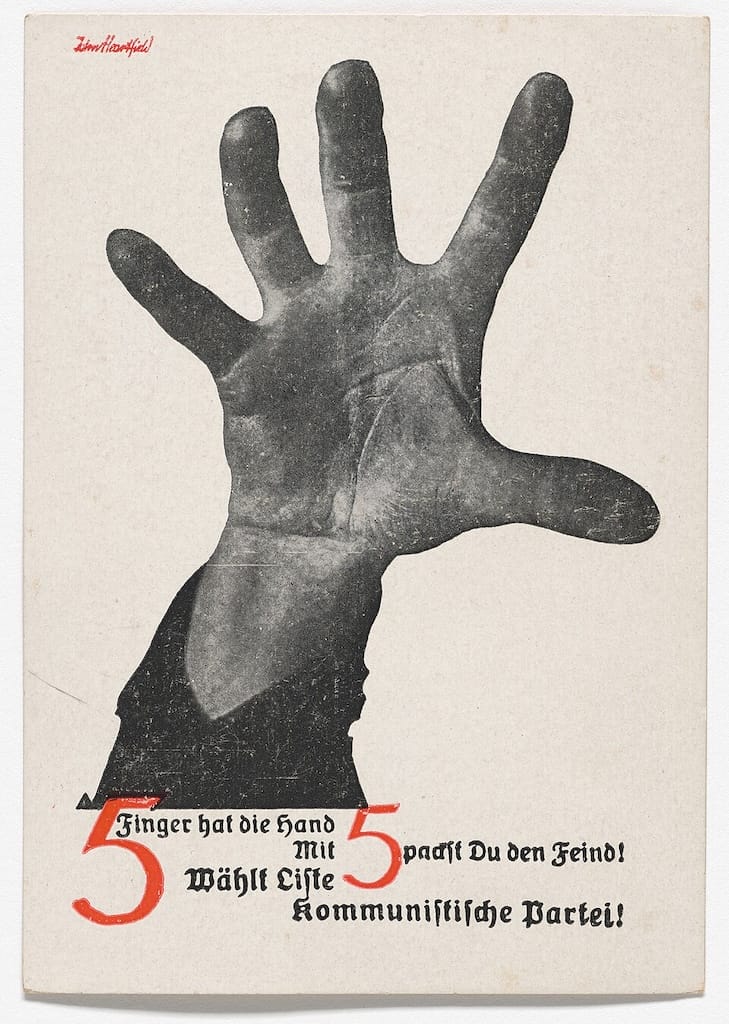
At the same time, artists associated with Dada embraced collage as a means of protest and critique. Figures such as Hannah Höch and Raoul Hausmann used photomontage to fragment and reassemble images from mass media, exposing the absurdities of politics, gender norms, and modern life.
Meanwhile, Kurt Schwitters developed his own approach, known as Merz, transforming everyday detritus into poetic compositions. His work expanded the boundaries of collage beyond critique into a deeply personal visual language.
Key Techniques in Collage
Collage encompasses a wide range of methods, each offering distinct visual and conceptual possibilities. Below are some of the most important techniques used by artists.
1. Paper Collage
Perhaps the most traditional form, paper collage involves cutting and assembling pieces of paper such as magazines, photographs, or printed ephemera. Artists experiment with scale, juxtaposition, and layering to create meaning through contrast.
2. Photomontage
Developed extensively within Dada and later Surrealism, photomontage uses photographic images that are cut and recombined. This technique often carries a strong narrative or political charge, as seen in the works of John Heartfield.
3. Mixed Media Collage
Mixed media collage incorporates materials beyond paper, including fabric, found objects, paint, and even organic elements. This approach emphasises texture and materiality, blurring the line between painting and sculpture.
4. Digital Collage
With the rise of digital tools, collage has entered a new realm. Software such as Adobe Photoshop allows artists to layer, manipulate, and blend images with precision. Digital collage retains the conceptual foundations of traditional collage while expanding its technical possibilities.
Collage and the Question of Meaning
At its core, collage is about juxtaposition. By placing unrelated elements together, artists create new meanings that did not exist in the original materials. This makes collage particularly suited to exploring themes of identity, memory, and cultural fragmentation.
In many ways, collage mirrors the experience of modern life. The constant flow of images from advertising, social media, and news creates a visual landscape that is already fragmented. Collage does not attempt to resolve this fragmentation but instead embraces it.
This approach has made collage especially relevant in postmodern and contemporary art, where the boundaries between high and low culture are increasingly blurred.
Influential Collage Artists
Over the decades, numerous artists have expanded the possibilities of collage. Below are a few key figures whose work continues to shape the field.
Romare Bearden
Bearden’s collages explore African American life through richly layered compositions. Combining photographs, painted elements, and patterned papers, he created works that are both intimate and universal.
Richard Hamilton
Often regarded as one of the founders of Pop Art, Hamilton used collage to examine consumer culture. His iconic works incorporate imagery from advertising and popular media, reflecting the aspirations and anxieties of postwar society.

Barbara Kruger
Kruger’s bold use of text and image challenges systems of power and representation. Her collage based works, often featuring stark slogans, remain highly influential in both art and design.
Njideka Akunyili Crosby
Crosby combines painting, photography, and collage to explore themes of identity, migration, and hybridity. Her work reflects the complexities of living between cultures in a globalised world.
Collage in Contemporary Practice

Today, collage is more relevant than ever. It appears across a wide range of contexts, from gallery exhibitions to street art and digital platforms. Artists use collage to respond to issues such as climate change, political unrest, and the rapid evolution of technology.
The accessibility of collage is one of its greatest strengths. Unlike many traditional art forms, it does not require expensive materials or specialised training. This has made it a popular medium among emerging artists, as well as in educational settings.
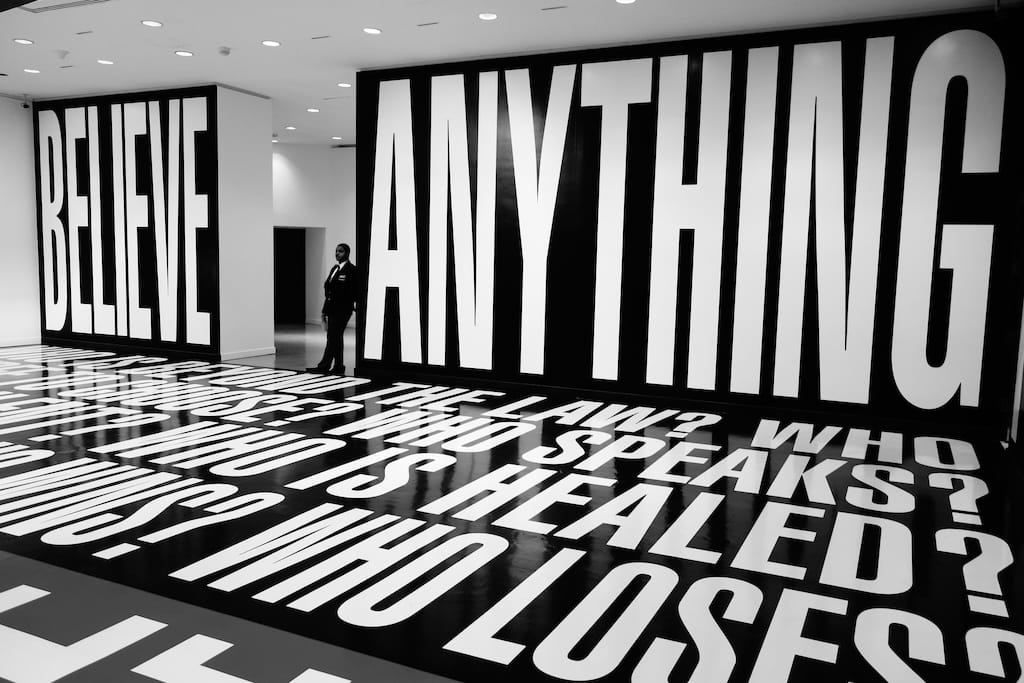
At the same time, contemporary practitioners continue to push the medium in new directions. Large scale installations, immersive environments, and interdisciplinary works all draw upon the principles of collage.
Why Collage Matters Today
Collage is more than a technique. It is a way of thinking. By bringing together fragments of the world, artists invite viewers to reconsider how meaning is constructed.
In an age defined by information overload, collage offers a framework for navigating complexity. It allows for contradiction, ambiguity, and multiple perspectives to coexist within a single work.
For audiences, this can be both challenging and rewarding. Collage does not present a single, fixed interpretation. Instead, it opens up a space for dialogue and reflection.